


Australian Dollar recovers despite Yen gains, Japan vows fiscal prudence
- The Australian Dollar recovers almost its entire early losses against the Japanese Yen.
- The RBA is unlikely to hike interest rates again in the near term.
- Japan PM Takaichi pledges to exercise tighter controls on debt issuance.
The Australian Dollar (AUD) bounces back strongly against the Japanese Yen (JPY) and flattens at around 109.80 during the European trading session on Monday.
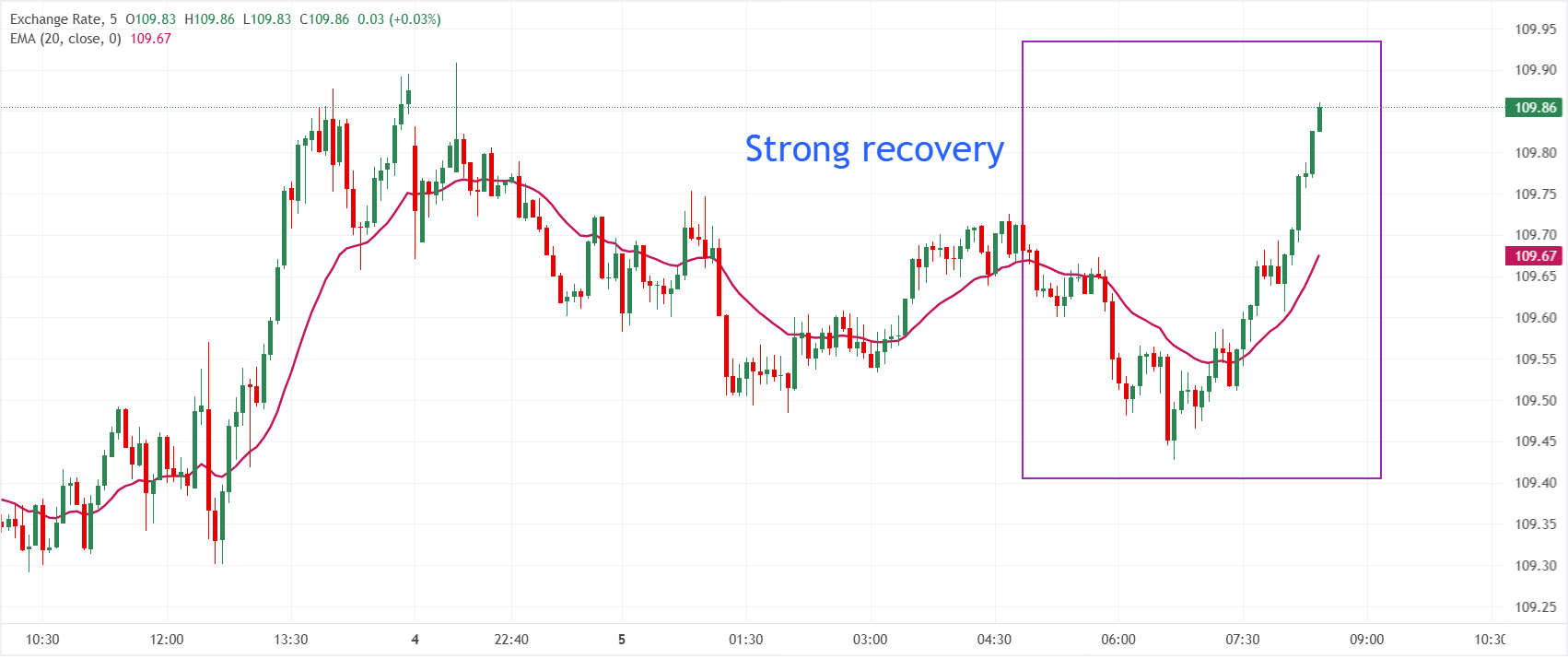
The antipodean recovers sharply even as financial markets doubt that the Reserve Bank of Australia (RBA) will hike interest rates again this year after raising them already four times.
RBA seen on hold amid softness in housing market
Analysts at Commerzbank argue that the latest inflation data underscore why “1.5 additional rate hikes by the RBA – as the market was still expecting yesterday – are likely to be too much.” One day after the Reserve Bank of Australia’s monetary policy meeting, they note that the August CPI figures help explain the shift, even though “there’s no question that inflation is still too high, and it will take a while before it returns to the middle of the target range.”
Commerzbank stresses that “interest rate hikes always take effect with a certain time lag,” and points in particular to signs of strain in the real estate sector. They highlight that “building permits fell again in August by 6.1% compared to the previous month and prices in the largest cities continue to decline,” suggesting that the cumulative impact of past tightening is still working its way through the economy. Against this backdrop, the bank concludes that “the RBA would likely be well advised to wait and see how things develop in the coming months,” rather than pressing ahead with the scale of additional hikes currently embedded in market pricing.
Meanwhile, the Japanese Yen outperforms its major peers as Japan has vowed fiscal discipline. “We will control the annual debt issuance amount appropriately while scrutinising the economy, prices, tax revenues, interest rates, debt-servicing costs, and market developments,” Japan Prime Minister (PM) Sanae Takaichi said. This has improved the safe-haven demand of the Japanese Yen.
Australian Dollar FAQs
One of the most significant factors for the Australian Dollar (AUD) is the level of interest rates set by the Reserve Bank of Australia (RBA). Because Australia is a resource-rich country another key driver is the price of its biggest export, Iron Ore. The health of the Chinese economy, its largest trading partner, is a factor, as well as inflation in Australia, its growth rate and Trade Balance. Market sentiment – whether investors are taking on more risky assets (risk-on) or seeking safe-havens (risk-off) – is also a factor, with risk-on positive for AUD.
The Reserve Bank of Australia (RBA) influences the Australian Dollar (AUD) by setting the level of interest rates that Australian banks can lend to each other. This influences the level of interest rates in the economy as a whole. The main goal of the RBA is to maintain a stable inflation rate of 2-3% by adjusting interest rates up or down. Relatively high interest rates compared to other major central banks support the AUD, and the opposite for relatively low. The RBA can also use quantitative easing and tightening to influence credit conditions, with the former AUD-negative and the latter AUD-positive.
China is Australia’s largest trading partner so the health of the Chinese economy is a major influence on the value of the Australian Dollar (AUD). When the Chinese economy is doing well it purchases more raw materials, goods and services from Australia, lifting demand for the AUD, and pushing up its value. The opposite is the case when the Chinese economy is not growing as fast as expected. Positive or negative surprises in Chinese growth data, therefore, often have a direct impact on the Australian Dollar and its pairs.
Iron Ore is Australia’s largest export, accounting for $118 billion a year according to data from 2021, with China as its primary destination. The price of Iron Ore, therefore, can be a driver of the Australian Dollar. Generally, if the price of Iron Ore rises, AUD also goes up, as aggregate demand for the currency increases. The opposite is the case if the price of Iron Ore falls. Higher Iron Ore prices also tend to result in a greater likelihood of a positive Trade Balance for Australia, which is also positive of the AUD.
The Trade Balance, which is the difference between what a country earns from its exports versus what it pays for its imports, is another factor that can influence the value of the Australian Dollar. If Australia produces highly sought after exports, then its currency will gain in value purely from the surplus demand created from foreign buyers seeking to purchase its exports versus what it spends to purchase imports. Therefore, a positive net Trade Balance strengthens the AUD, with the opposite effect if the Trade Balance is negative.
Recommended Articles


