


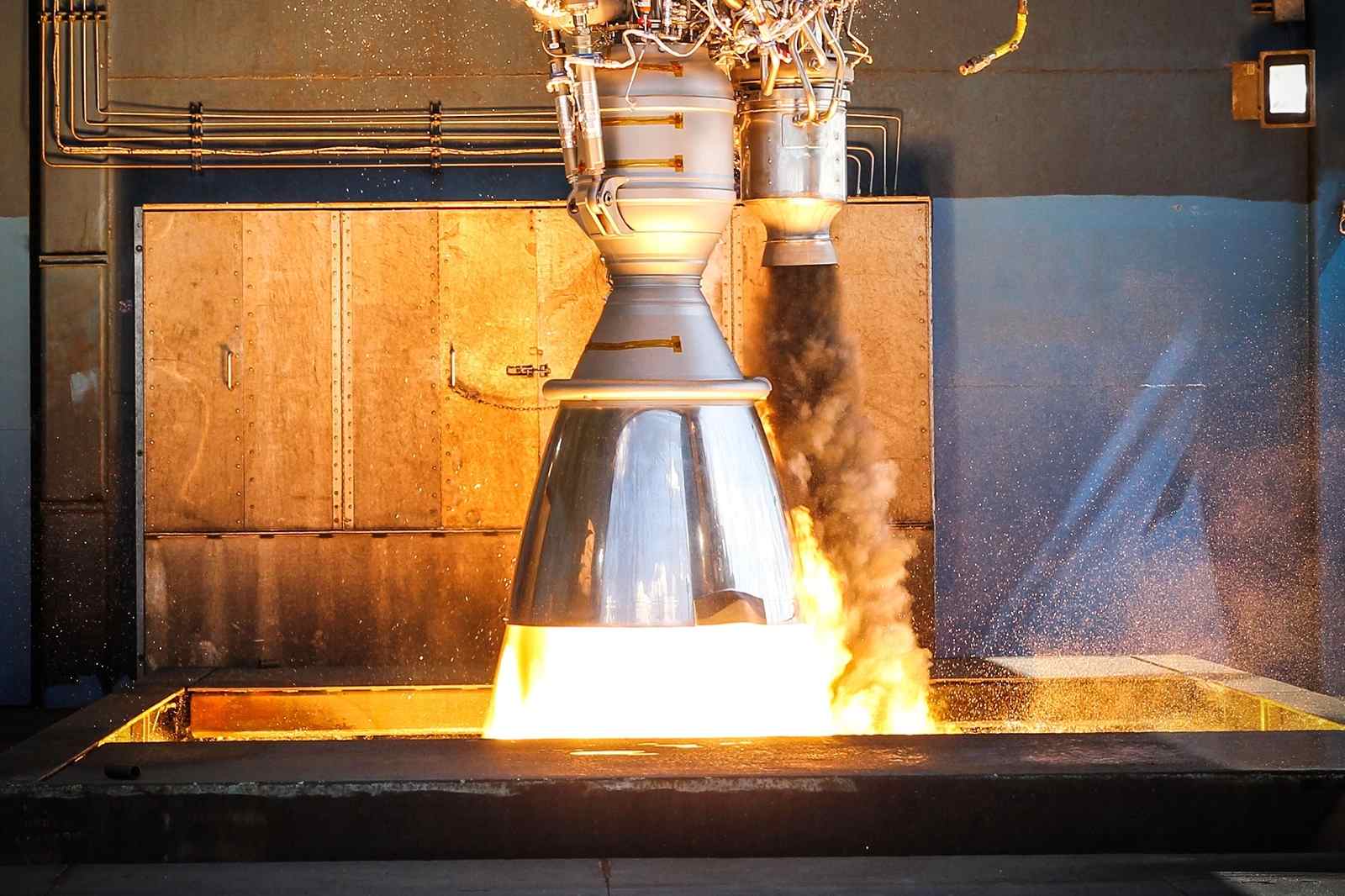
SpaceX has become one of the most talked-about companies in the world — and for good reason. From launching reusable rockets to sending astronauts to the International Space Station, Elon Musk's aerospace company is reshaping what's possible in space exploration. It's no surprise that investors everywhere are asking: how do I buy SpaceX stock?
No worry, this guide breaks everything down so you can make an informed decision.
What Is SpaceX and Why Are Investors So Interested??
SpaceX, formally known as Space Exploration Technologies Corp., was founded by Elon Musk in 2002 with an audacious goal: make humanity a multi-planetary species. Since then, it has become the world's leading commercial rocket company.
Some of its biggest achievements include:
Reusable rockets — The Falcon 9 and Falcon Heavy boosters land themselves back on Earth, dramatically cutting launch costs.
Starlink — A growing satellite internet constellation that already serves millions of customers globally and generates substantial recurring revenue.
NASA partnerships — SpaceX is the primary contractor for crewed missions to the ISS and the Artemis Moon program.
Starship — The world's most powerful rocket ever built, designed for missions to the Moon and eventually Mars.
SpaceX's valuation has soared to over $350 billion in recent private funding rounds, making it one of the most valuable private companies on Earth. That kind of growth story is exactly what investors dream about — which is why everyone wants a piece of it.
Key IPO Highlights
Metric | Value |
|---|---|
Ticker Symbol | SPCX |
Exchange | Nasdaq |
IPO Price | $135 |
Initial Valuation | Over $1.7 trillion |
Subsequent Valuation Peak | Above $2 trillion |
SpaceX (trading ticker SPCX) debuted on the Nasdaq on 12 June 2026, marking the largest IPO in global history. Priced at $135 per share, the stock closed its first trading session at $161, up 19%, pushing its market valuation above $2 trillion.
SpaceX - SPCX Live Price & Chart
How to Invest in SpaceX Stock?
There are several ways investors can gain exposure to SpaceX. The best approach depends on investment objectives, risk tolerance, and trading style.
1️⃣ Buy SPCX Shares Directly
For most investors, buying SpaceX shares directly is the simplest approach. Investors can purchase SPCX through brokers that provide access to US-listed stocks.
Direct ownership provides exposure to the company's long-term growth and allows investors to participate in future gains if SpaceX continues expanding its market position.
2️⃣ Invest Through ETFs
As SpaceX’s market capitalization remains immense, it has been integrated into major technology and growth-focused ETFs. If you prefer a diversified approach rather than picking individual stocks, look for Growth ETFs or Technology-focused indices that hold SPCX as a top-ten constituent.
3️⃣ Trade SpaceX Through CFDs
Not every investor approaches SpaceX the same way. Some buy shares with the intention of holding them for years, benefiting from long-term growth in infrastructure and defense. Others are interested in the stock's short-term fluctuations.
This is where CFDs become a preferred tool. Trading SPCX via CFDs offers specific advantages:
Flexibility: You can "go short" if you believe the stock is overextended, or "go long" if you expect a rally.
No Ownership Overhead: You are trading the price movement rather than the asset itself, which can simplify the process for short-term active traders.
Leveraged Exposure: You can control larger positions with a smaller capital outlay.
However, trading with leverage is not for everyone. It is a tactical approach suited for those who actively monitor the market and have a defined risk management strategy in place.

 Direct market access TradingView’s professional charts Real-time news, strategies, daily analysis!

How to Trade SpaceX Through CFDs?
For investors who want to own SpaceX for the long term, buying SPCX shares may be the most straightforward approach. However, not every market participant is looking to hold a position for years. Many traders are more interested in capturing shorter-term price movements driven by earnings releases, Starlink subscriber growth, Starship launch milestones, or broader shifts in market sentiment.
This is where CFD trading can offer greater flexibility.
With CFDs, traders can speculate on whether SpaceX's share price will rise or fall without owning the underlying stock. Positions can be opened with a smaller initial capital outlay, and traders can potentially benefit from both bullish and bearish market conditions.
Step 1: Open a Mitrade Account
Start by creating a Mitrade trading account.
New users can also access a free demo account, allowing them to practice trading with USD50,000 virtual funds before risking real capital.
Step 2: Fund Your Trading Account
Once your account is approved, deposit funds using one of the available payment methods.
Step 3: Search for SpaceX (SPCX)
From the Mitrade platform or mobile app, enter SPCX into the search bar.
Step 4: Choose Buy or Sell
If you believe SpaceX shares will rise, you can open a Buy (Long) position.
If you believe SpaceX shares may fall, you can open a Sell (Short) position.
CFDs provide flexibility in both directions.
Step 5: Set Risk Management Controls
Input position volume, Stop-Loss, Take-Profit at your target price.
Step 6: Monitor and Manage the Position
Confirm the order and Track real-time floating profit/loss on your portfolio dashboard
Step 7: Close the Trade
The trade can be closed manually at any time, or automatically if a stop-loss or take-profit level is triggered.
Licensed and Regulated Client Fund Insurance Negative Balance Protection Tight spreads & 0 commissions*Is SpaceX a Long-Term Investment?
SpaceX is, without question, one of the most innovative and ambitious companies ever created. The long-term thesis — cheaper access to space, global satellite internet, interplanetary travel — is genuinely transformative.
The real question is no longer whether SpaceX is an exceptional business. The real question is whether future revenue growth, Starlink expansion, new government contracts, and emerging commercial opportunities can justify today's valuation.
That debate will likely shape investor returns over the next decade.
* The content presented above, whether from a third party or not, is considered as general advice only. This article should not be construed as containing investment advice, investment recommendations, an offer of or solicitation for any transactions in financial instruments.


