




Dollar-backed stablecoins have South Korean investors in a frenzy
According to reports, South Korea has lifted a 14-year ban that prohibited domestic financial institutions from buying kimchi bonds in a bid to attract offsetting capital inflows.
South Korea may have finally gotten past the hurdle of selecting a leader with the election of President Lee Jae-Myung, but it still has a lot to do to stabilize its economy. Recent speculative frenzy in dollar-backed stablecoins is not helping much either.
Dollar-backed stablecoins have South Korean investors in a frenzy
The Bank of Korea initiated the ban prohibiting local investment in kimchi bonds in 2011 amid concerns they would cause currency mismatches among local issuers.
It has stayed in place for over a decade and may have remained in place if not for the central bank’s concern over the won’s weakness, coupled with a lack of foreign currency liquidity as South Korean retail investors scramble to invest in overseas stocks and dollar-backed stablecoins.
Reports claim trading in crypto instruments hit 57 trillion won ($42 billion) in the first quarter of the year alone.
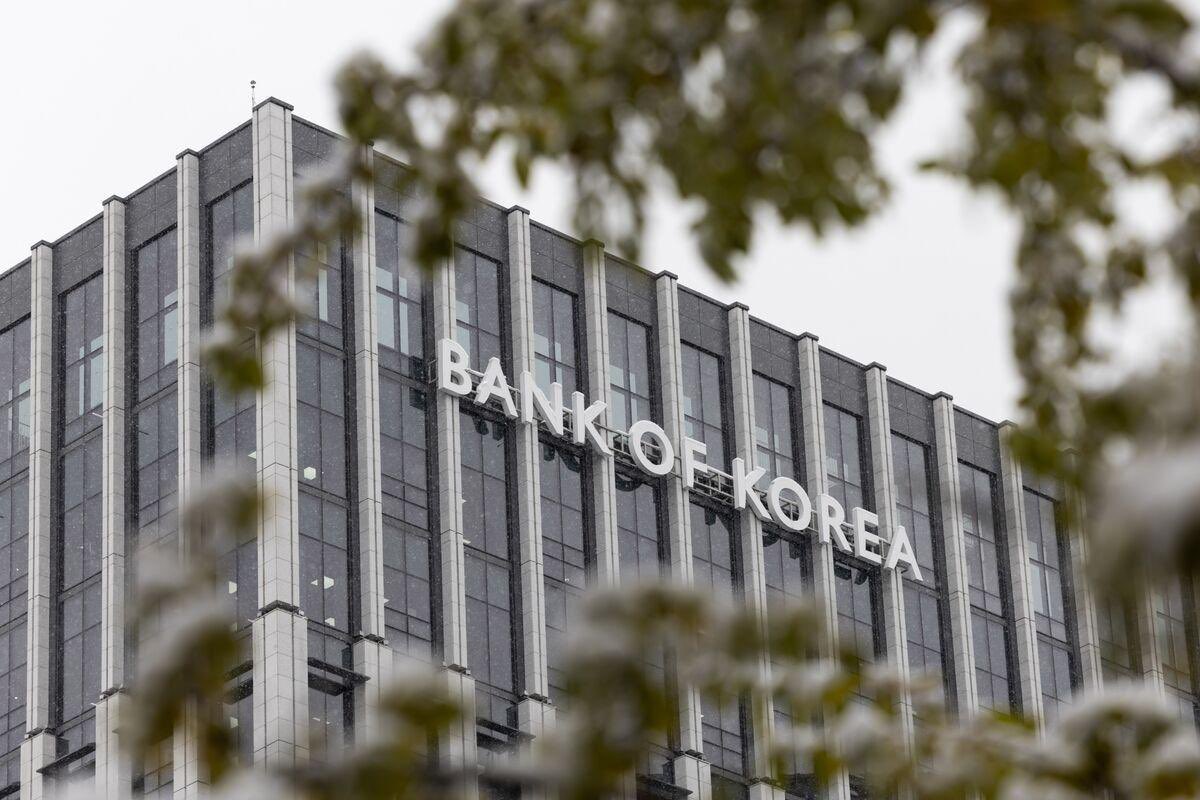
“This measure is expected to contribute to resolving the imbalance in forex supply and demand by improving foreign currency liquidity conditions and easing pressure on the weak won,” the BoK’s statement reads.
However, some have warned that domestic companies would not rush to issue kimchi bonds, because of the higher funding costs in the dollar compared with those in the won.
The won has responded positively to the development, strengthening as much as 1.2% on Monday to 1,347 won per dollar, its highest point in eight months. However, it has since lost some of those gains to trade at 1,353 won.
The appointment of a new president has strengthened the won by about 8% against the dollar this year, a welcome change following last year’s martial law turmoil. The new government that took office this month has pledged higher fiscal spending, already under pressure from Washington to boost its currency’s value in trade talks.
South Korea’s forex reserves fell to their lowest level in five years in May
South Korea’s forex reserves reportedly fell to their lowest level in five years in May. The government has been trying to fix that ever since and has made some moves to deregulate the country’s foreign exchange market and boost foreign currency inflows to that effect.

The government has taken various measures to address this issue, including raising hedging limits in currency derivatives, easing restrictions on foreign currency lending by domestic banks, and increasing the forex swap line between the BoK and the National Pension Service to reduce the state-run pension fund’s dollar buying in the domestic market.
Its latest move to lift the ban prohibiting domestic financial institutions from investing in kimchi bonds is expected to attract more dollars to the country and counterbalance the retail outflows.
Before the ban was lifted, the main issuers of kimchi bonds were foreign subsidiaries of South Korean companies that required dollar funding. Now that it is gone, analysts expect more domestic groups to issue kimchi bonds as they are now allowed to sell foreign currency debt and convert it to won for domestic use.
“There is increasing perception that the Korean won is too weak relative to its fundamentals and the government wants the local currency to appreciate further,” Hwang Sei-woon, senior research fellow at Korea Capital Market Institute pointed out before adding that the new measure not only signals higher demand for the won in the long term, but also reflects the government’s willingness to open up the forex market even more.
Cryptopolitan Academy: Coming Soon - A New Way to Earn Passive Income with DeFi in 2025. Learn More
推荐文章


