


In 8 Words, Fed Governor Michael Barr Just Offered a Hint at Where Interest Rates May Be Headed
Key Points
The FOMC raised interest rates for the first time in three years in September.
Fed Governor Michael Barr spoke last week in Detroit, offering his take on the current economic climate.
FOMC members Philip Jefferson and John Williams also spoke last week on rates.
- These 10 stocks could mint the next wave of millionaires ›
A key gauge of where the market thinks rates are headed is the CME FedWatch survey, which polls interest rate traders. In the days leading up to the September Federal Open Market Committee (FOMC) meeting, almost 60% of those polled expected a 25-basis-point rate hike, which the FOMC delivered on Sept. 16.
While most, 78%, expect rates to stay the same at the Oct. 28 Fed meeting, an overwhelming majority of traders anticipate a rate hike when the FOMC meets on Dec. 9. Specifically, 67% expect a 25-basis-point increase, and 17% say rates will be 50 basis points higher by then.
Missed Nvidia in 2009? This Rare Signal Is Flashing Again. In 2009, a "Double Down" signal flashed for a little-known chipmaker called Nvidia. For the first time in years, that same "Total Conviction" signal is flashing for a company 1/100th the size of Nvidia. Continue »
They may be taking cues from FOMC members themselves, like Fed Governor Michael Barr. In a speech on Sept. 29 in Detroit, Barr said eight words that gave a decent clue as to what he is thinking about rates.
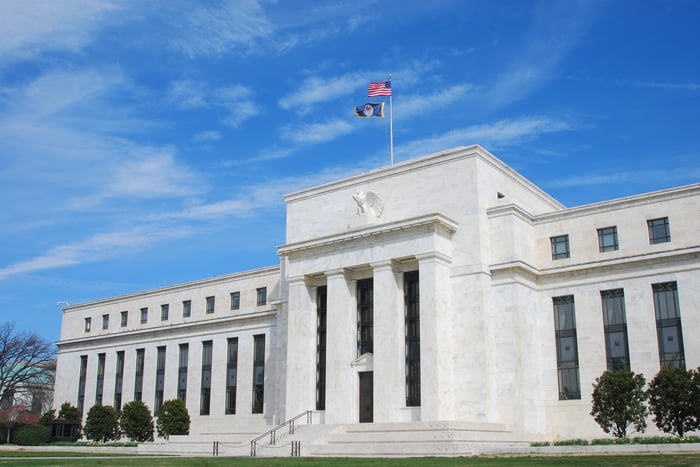
Image source: Getty Images.
"Further policy adjustments are likely to be needed," Barr said in Detroit last week, "to ensure inflation comes down to target in a timely fashion."
Barr elaborated, saying that while the effects of tariffs on inflation have diminished, the war in Iran has driven inflation higher, and there is "considerable uncertainty" about when the conflict will be resolved.
"Risks to achieving our inflation target have increased, while risks to the labor market have receded, so we need to recalibrate policy to get us in a better position that more evenly balances risks to both components of our dual mandate," Barr said.
Jefferson's take
Barr didn't give any time frame for potential adjustments, so he doesn't necessarily say they will be this year. The FOMC members always point out that their decisions are guided by data, which can obviously change.
Fed Vice Chair Philip Jefferson also spoke last week, and his view was similar, but investors may glean a more wait-and-see tone from Jefferson.
"As we look ahead, my view is that any future adjustments in policy should be determined by carefully examining trends in the data, the evolving outlook, and the balance of risks," Jefferson said at the Oct. 1 speech in Virginia.
Jefferson noted that bond yields have increased since the rate hike on Sept. 16, which leads to higher rates. This, in essence, suggests that the market and investors may be doing the Fed's work for it in countering inflation. That, in turn, prompts Jefferson to take more of a wait-and-see approach before raising rates again.
"My colleagues and I will need to come to our own judgment, which may take more time. I will continue to assess whether underlying trends suggest that inflation will return to target with sufficient speed," he said.
In addition, New York Fed President John Williams, an FOMC member, said in a speech on Sept. 29 in Buffalo that "there is no need for urgency, and we have time to gather more information."
While investors should watch what the Fed does, there is no need to make any huge shifts in your portfolio based on short-term noise or even the results of one Fed decision. It's best to base any moves on longer-term trends in interest rates, which do appear, at least right now, to be on a higher-for-longer track.
Where to invest $1,000 right now
When our analyst team has a stock tip, it can pay to listen. After all, Stock Advisor’s total average return is 948%* — a market-crushing outperformance compared to 214% for the S&P 500.
They just revealed what they believe are the 10 best stocks for investors to buy right now, available when you join Stock Advisor.
See the stocks »
*Stock Advisor returns as of October 7, 2026.
The Motley Fool has a disclosure policy.
Recommended Articles


