


Gold Rebounds Above $4,000 Ahead of Fed Decision as Oil Pullback Eases Inflation Fears
TradingKey - On October 27, gold prices (XAUUSD) continued their rebound from recent lows, firmly regaining ground above $4,000 and currently trading near $4,015. Gold had dropped to around $3,975 last week, reaching its lowest level since July, but experienced a short-term recovery as oil prices pulled back from highs and dip-buying re-emerged.
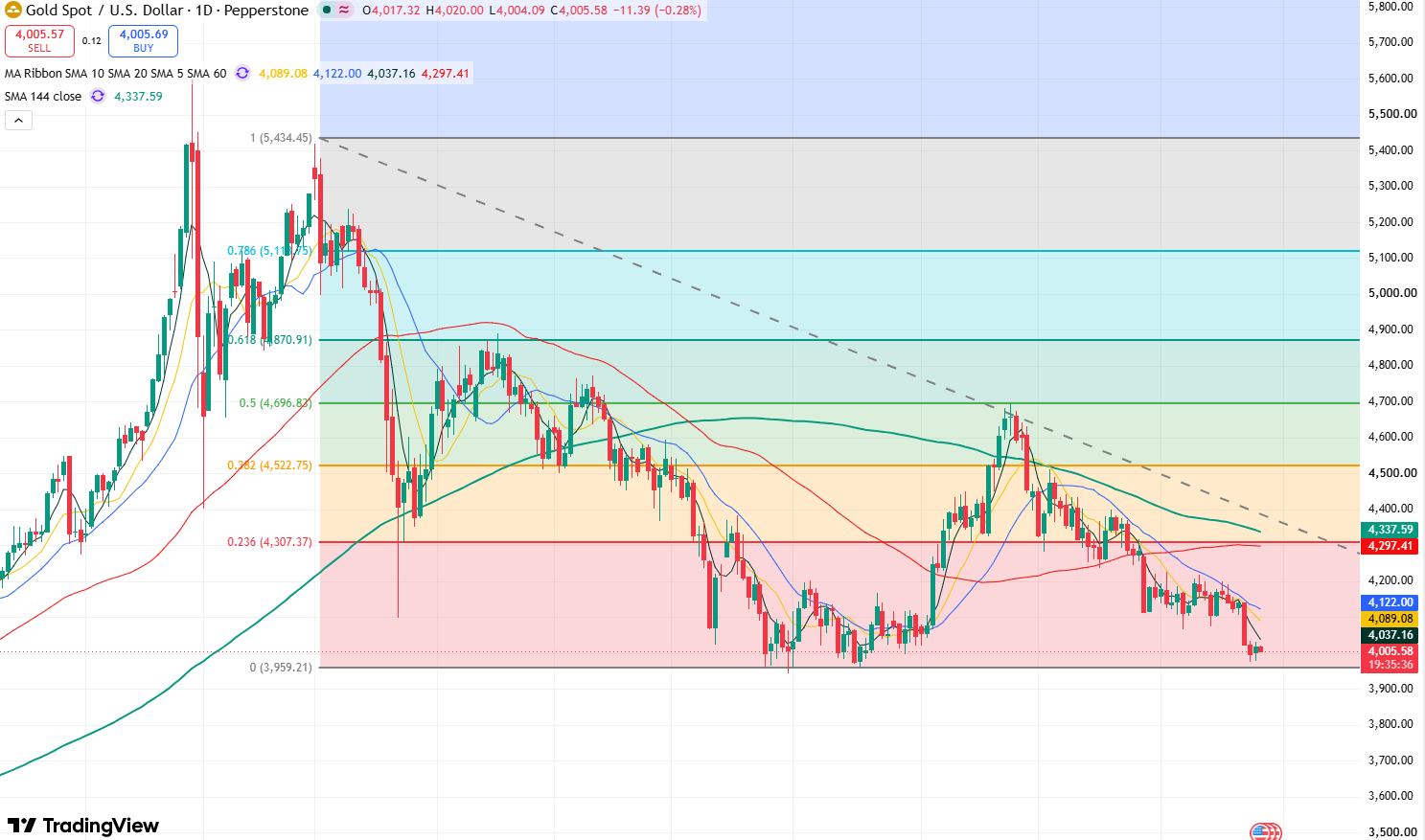
Gold Price Daily Chart, Source: TradingView
Last Friday, spot gold fell below $4,000, losing this key psychological barrier for the first time since mid-July and recording a weekly drop of over 4%. Entering this week, gold prices gradually rebounded from three-month lows. On Monday, spot gold rose by as much as 0.6% to $4,020.60, closing at $4,016.97 for the day and firmly reclaiming the $4,000 level.
This round of rebound was initially linked to the pullback in international oil prices. Last week, Brent crude rose over 6% cumulatively, with rapidly rising energy prices exacerbating market concerns over resurging U.S. inflation and pushing up expectations of further Fed rate hikes. Entering this week, WTI (USOIL) and Brent (UKOIL) crude pulled back from recent highs, with cumulative weekly losses exceeding 2% for both, easing expected inflation pressures from energy prices and providing some support for gold, which had been under sustained pressure.
Notably, the Federal Reserve will hold its interest rate policy meeting from October 27 to 28. The market currently expects the Fed to keep the federal funds rate unchanged at 3.75%-4.00%, though expectations for another rate hike in December remain relatively high. According to a Reuters survey, most economists expect the Fed to pause rate hikes this week, but further policy tightening remains possible within the year.
Currently, $4,000 has re-emerged as a key short-term support level for gold prices, with initial resistance to watch on the upside around $4,050 and $4,100. Looking ahead, market focus will shift to the Fed's signal on its December policy path. In addition, the U.S. will release PCE inflation data on October 29, which will further shape market expectations for the Fed's rate trajectory for the rest of the year.
Recommended Articles


