


The Definitive Day Trading Guide For Beginners
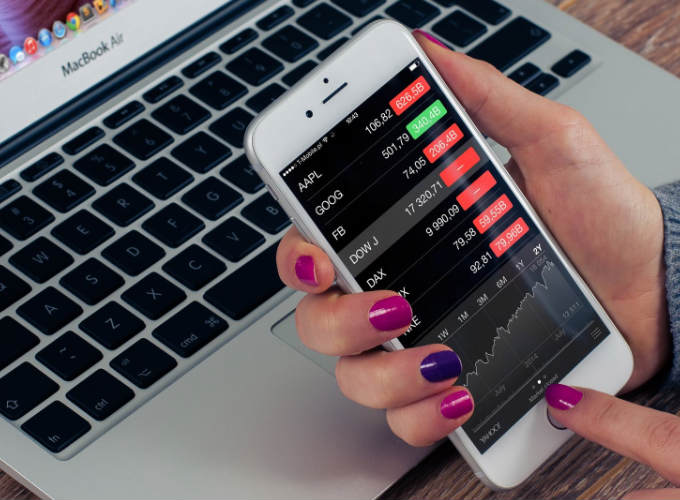
Day Trading is a way to trade short-term on the same day, taking advantage of small changes in market prices to generate small but frequent profits or reduce losses.
There are some interesting statistics that show that 90.5% of day traders are male and 9.5% are female.
Although some day traders are profitable, only 1% of day traders are able to make money consistently over five years or more.
This guide will introduce everything you need to know about day trading, especially for Australian day traders. When you really understand it, you can also further think about whether day trading is for you.
Without further ado, let's begin.
What is Day Trading?
Day trading involves the buying and selling of tradable financial assets within regular trading hours (RTH), such that all positions are opened and closed in the same trading day. This means they can compound gains incredibly fast. Regrettably, losses in a day trade come just as fast.
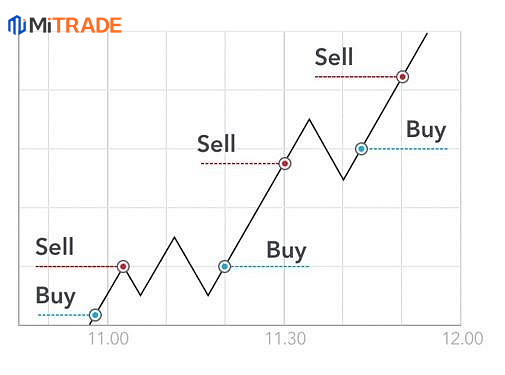
👉 Essentially, day traders speculate in different markets; options, stocks, currencies, and CFDs, with the aim of profiting from small price movements. Day traders can therefore be called speculators, as opposed to investors.
Why Some Traders Use Day Trading?
There are 4 common reasons for using day trading:
Frequent opportunities:Markets move every day. Traders are not waiting weeks or months for setups.
No overnight risk: Positions are closed before the market shuts, avoiding exposure to unexpected news or gaps.
Leverage access:Many platforms offer margin trading, allowing relatively small capital to control larger positions.
Clear daily results:At the end of each session, performance is measurable. There is no ambiguity.
There is a reminder that day trading is fundamentally different from your typical securities investing. The same leverage that amplifies profits can accelerate losses. And frequent trading increases transaction costs, which quietly eat into returns.
Popular Day Trading Markets
The most common markets for day trading include the stock, forex, and cryptocurrency market. Most day traders focus on one or two markets. This specialization allows them to familiarize themselves with the opportunities and risks existing in the market.
1. Forex markets
The forex market is the most accessible market and the most preferred for day trading. Traders look for markets that are highly liquid currency pairs that can be bought and sold continuously throughout the day. This is why major currency pairs (e.g. EUR/USD, GBP/USD) are often considered to be the best choice for day traders.
2. Cryptocurrencies
In the cryptocurrency market, the larger market capitalization currencies such as Bitcoin, Ether, and Dogcoin are strong, highly liquid cryptocurrencies that are suitable for you to practice your intraday trading strategies. Mitrade provides Contracts For Difference (CFD) that targets popular cryptocurrencies with flexible leverage for small initial capital traders.
3. Stock markets
Day trading in the stock markets is particularly common among nascent traders. Here, traders buy and sell company shares. Day trading stocks often look to capitalize on share price movements during a given trading day. All positions are closed before the market closes to avoid gapping risk.
Day traders can fully use day trading strategies with Us shares and Australia Shares such as Apple, MSFT, BHP, etc. using Mitrade.
Ready to trade? Start to open a demo account



How To Make Money from Day Trading
There is a survey that only 1% of day traders are able to make money consistently over five years or more. While the potential rewards are huge, the average day trader doesn't make much money. If you want to be successful in day trading, your strategies must be honed continuously until they yield consistent desired results -increased profits and reduced losses.
A dependable strategy typically requires an in-depth analysis of the market, utilizing a wide range of indicators to predict the future direction of the underlying stock price movement. There are two kinds of analysis a day trader will adopt when approaching the markets: Fundamental analysis and Technical analysis.
Fundamental analysis examines the financial environment, company management, industry-specific conditions, and the overall economic feel. As a fundamental analyst, you’ll be expected to study a company’s expenses, appointments, mergers & acquisitions, etc.
Technical analysis does not concern itself with the intrinsic values of underlying securities. Instead, they use charts and other trade instruments to identify patterns and trends that suggest how the prices of the underlying asset will move in the future.
Strategy | Risk | Reward | Skill Required |
Scalping | Low | Low | Technical analysis |
Arbitrage | Low | Medium | Technical analysis |
Trading news | Medium | Medium | Fundamental analysis |
Price action | Medium | High | Technical analysis |
1. Scalping
Scalping takes advantage of the initial price movement to make a small profit within minutes. This is a common day trading strategy. Scalpers have strict entry and exit guidelines. Missing the exit window may result in a huge loss that may wipe out previously accumulated smaller earnings.
2. Arbitrage
Arbitrage allows traders to exploit price differences of similar assets on different markets. Consider this simple example. Shares of ABC traded at $15 on the LSE while trading at $15.10 on the ASX at that exact moment. Buying the stock from the LSE and selling the same stock at the ASX will earn you the difference, 10 cents per share. This window could remain open until the underlying stock prices are adjusted and the opportunity is wiped out.
3. Trading News
For the day trader, this is an excellent opportunity to lock in quick profits (or realize losses, fast). News prediction is relatively simple. You'll, however, need to spare more time analyzing, practicing, and reading about the mechanisms behind trading the news. Traders using the news playing strategy often buy when“good” news is announced and short sell if the news is considered“bad”. Such news often triggers mixed reactions and creates massive volatility in the market.
4. Price action
Price action trading strategy is concerned more with price movement. Very little regard is paid to the use of market indicators when making trade decisions. An upward movement in the prices is a bullish sign, and vice versa. Depending on how aggressively the upward trend moves, the price action trader will tell whether the trend can continue.
How to Become a Day Trader?
Day Trading is suitable for all investors, even new investors who are not yet ready for long-term strategies. However, day trading requires investors to have in-depth knowledge, especially chart reading and technical analysis skills. ...... Therefore, if you want to be a successful day trader, you need to meet the following requirements.
1. Knowledge and experience
Knowledge and experience help the day trader formulate a strategic trading plan and risk management tactic. Therefore, technical analysis and chart reading are essential skills for day traders. However, if you don't know the market well and only trade based on technical indicators, you may still be fooled by charts and indicators. Read carefully and understand the specific characteristics of the product you are trading.
Read More: A Comprehensive Guide On Using Candlestick Chart Patterns to Trade Forex Profitably
2. Sufficient capital
You cannot have your cake and eat it too. Simply, day traders use funds only to the extent that they can afford to lose them. This not only protects you from financial losses but also eliminates personal emotions from trading.
3. Discipline
A good and profitable strategy is still useless without discipline. Many traders have lost a lot of money simply because they did not follow discipline and made some trades. As we say, "develop a trading strategy and trade with it". Without discipline, it is impossible to succeed.
How To Start DayTrading Effectively?
Start day trading in three simple steps.
Step 1: Choose a market
Most budding traders assume that day trading can only be in the stock market. On the contrary, you can day trade in virtually any market available in the securities exchange. However, the most popular markets have been discussed in this guide, in a topic above. You'll see that you have broader opportunities for day trading in the different markets including forex, options, futures, derivatives, and cryptocurrencies.
Step 2: Learn and practice your own trading strategies
Wherever you trade in the market, open a demo account and start practicing your strategy. Understanding a strategy is not the same as being able to execute it in a disciplined and precise manner. No two days are the same in the market, so it takes practice to see the trade setup and be able to execute it without hesitation.
Practice for at least three months before trading the actual capital. Only when you have achieved profitable demo execution for at least three consecutive months, you should switch to trading with real money.
When you first start day trading to gain experience, focus on one market. Once you have some experience, you can apply to new markets and experience various financial products. This will help diversify your portfolio risk and expand your investment opportunities.
Step3: Choosing a Platform That Matches Your Trading Style
Not all brokers offer excellent support for day traders. The trading platform definitely affects the quotes, execution speed and data feeds, which are desirable to a day trader. Some features that are appealing to long-term traders may be unnecessary for day traders.
Mitrade is a reliable broker offering competitively priced trades and other attractive benefits.
No commissions
Competitive and transparent trading costs
Trading size as low as 0.01 lot
Leverage up to 1: 200
With these outstanding advantages, Mitrade also offers a demo account worth $50,000 in virtual currency. You can practice any trading strategy in the cryptocurrency, forex, and stock markets to gain experience.
 Forex丨Commidities丨Shares丨Crypto丨More
 Strictly regulated0 commission, low spreadsDaily Market Signals with analysisNegative Balance Protection
Find Best Time For Day Traders
Most day traders note that the hours toward the opening and closing of the market are the best times to trade. During the hour the market opens, from 9:30 a.m. ET, and the last hour of regular trading hours before market closing, at 4 p.m ET the market is said to be the most liquid and most volatile. These are excellent signs most day traders look for. And, while there are no “BEST” trading times, per se, you can surely score better trades during these times than at any other point between.
With these narrow, 1-hour time windows, day traders are able to make 10 or so profitable trades. Trading actively through the day, you might make a couple of hundred trades, easily. This of course depends on your strategy. The frequency of attractive opportunities is also a crucial determining factor.
Final Words for Day Trading Beginners
Day trading offers flexibility, speed, and access to global markets. But it is not a shortcut to easy profits. You will need to research your asset and monitor the market continually in order to familiarize yourself with the day trading environment. You’ll want to develop a suitable risk management strategy that will safeguard your profits while minimizing losses.
The difference between success and failure rarely comes down to strategy alone. It comes down to execution, discipline, and risk control.
For beginners, the most effective first step is not increasing trade size or frequency. It is building consistency—testing strategies, refining execution, and understanding how costs impact results over time.
* The content presented above, whether from a third party or not, is considered as general advice only. This article should not be construed as containing investment advice, investment recommendations, an offer of or solicitation for any transactions in financial instruments.


