


 Trending Articles
- When Will Gold Rise Under the Pressure of High Oil Prices?
- WTI edges higher above $110 as Trump intensifies Iran's infrastructure threats
- Trump Openly Seizes Oil, Threatening to “Control Iran Overnight.” WTI Crude Has Doubled to $115 This Year; Will Oil Prices Face More Variables?
- Gold edges lower below $4,750 amid fragile Middle East ceasefire
- U.S.-Iran Ceasefire. Bitcoin Surges Past $72,000, 80,000 Within Reach?
- Geopolitical Premium Strikes Back. Hormuz Strait Reopening Faces Changes, Bitcoin Barely Holds 70,000 Psychological Level
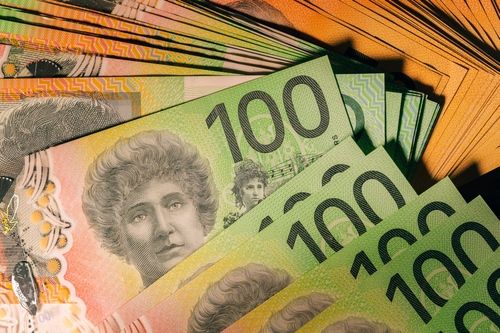
Australian Dollar holds losses despite the GDP rose 0.8% QoQ in Q4 2025, accelerating from 0.5% in Q3.
S&P Global Australia Services PMI fell to 52.8 in February from 56.3, signaling slower services growth.
The US Dollar gained as fading expectations of rate cuts from the Federal Reserve.
AUD/USD extends its losses for the second successive session, trading around 0.7010 during the Asian hours on Wednesday. The pair remains under pressure following the release of Australian Gross Domestic Product (GDP) data. Attention now turns to the US ISM Services Purchasing Managers’ Index (PMI), due later in the day.
Data from the Australian Bureau of Statistics (ABS) showed on Wednesday that the economy expanded 0.8% quarter-over-quarter (QoQ) in Q4 2025, accelerating from 0.5% in Q3 and exceeding market expectations of 0.6%. On an annual basis, Q4 GDP rose 2.6%, up from 2.1% in the previous quarter and above the 2.2% consensus forecast.
Final figures indicated that the S&P Global Australia Services PMI declined to 52.8 in February from 56.3 in January, signaling a continued but slower expansion in services activity. The Composite PMI eased to 52.4 from 55.7. While this marked the seventeenth consecutive month of growth in private-sector output, the pace of expansion has moderated since the start of the year.
The AUD/USD pair also weakened amid renewed demand for the US Dollar (USD), supported by fading expectations of imminent rate cuts from the Federal Reserve (Fed). Rising Oil prices, driven by escalating tensions in the Middle East, have added to inflation concerns, prompting markets to scale back bets on near-term policy easing. Investors largely expect the US central bank to keep interest rates unchanged until summer, despite calls from US President Donald Trump for lower borrowing costs.
Read more
* The content presented above, whether from a third party or not, is considered as general advice only. This article should not be construed as containing investment advice, investment recommendations, an offer of or solicitation for any transactions in financial instruments.


