


Australian Dollar advances despite increased risk aversion
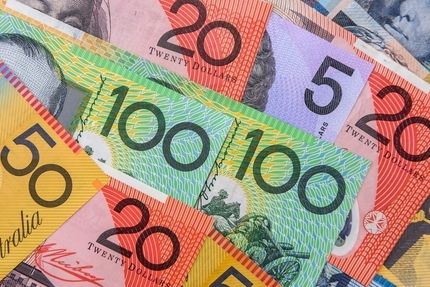
Australian Dollar gains ground ahead of China’s RatingDog Services PMI release.
Markets price a 55% chance of a 4.35% rate hike at the next RBA meeting.
Trump highlighted a Tehran bridge strike, warning of further action and urging Iran to “make a deal.”
AUD/USD gains ground after registering modest losses in the previous day, trading around 0.6910 during the Asian hours on Friday. The pair gains as the US Dollar (USD) softens, even amid stronger safe-haven demand due to escalating Middle East tensions. Trading activity may remain subdued owing to the Good Friday holiday.
China, Australia’s key trading partner, will release the RatingDog Services Purchasing Managers’ Index (PMI) later in the day. Focus will then shift to the US Nonfarm Payrolls (NFP) report for March during the North American session.
Markets caution that higher energy prices, linked to the Middle East conflict, may push inflation higher, prompting downward revisions to growth forecasts and increasing expectations of further Reserve Bank of Australia (RBA) rate hikes amid rising stagflation risks. As of April 1, ASX 30 Day Interbank Cash Rate Futures for May 2026 were at 95.785, implying a 55% probability of a rate hike to 4.35% at the next RBA meeting.
US President Donald Trump on Thursday highlighted the destruction of a bridge in Tehran, warning of further action and urging Iran to strike a deal “before it is too late.” Meanwhile, Iran’s Foreign Minister Abbas Araghchi said recent US strikes on civilian infrastructure would not force Iran to retreat, adding they signal the “defeat and moral collapse of an enemy in disarray.”
Chicago Fed President Austan Goolsbee expressed concern over rising oil prices, noting they could complicate efforts to curb inflation, particularly if gasoline costs surge and lift inflation expectations.
Read more
* The content presented above, whether from a third party or not, is considered as general advice only. This article should not be construed as containing investment advice, investment recommendations, an offer of or solicitation for any transactions in financial instruments.


