


Australian Dollar advances as RBA Minutes flag more tightening

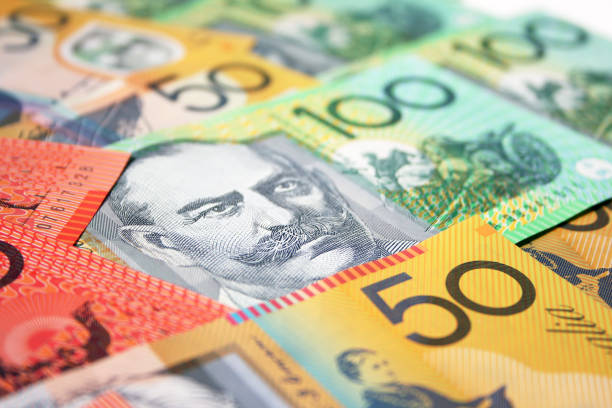
AUD/USD rises as the Australian Dollar gains support after the RBA March Meeting Minutes.
The RBA Minutes show policymakers agree on more tightening, but differ on timing.
Fed Chair Powell says long-term US inflation expectations remain anchored despite Middle East uncertainties.
AUD/USD halts its five-day losing streak, trading around 0.6860 during the Asian hours on Tuesday. The pair advances as the Australian Dollar (AUD) receives support after the Reserve Bank of Australia released its March Meeting Minutes.
The RBA Minutes showed that board members agreed further tightening would likely be needed, but differed on the timing. Oil near $100 per barrel is seen capable of lifting June-quarter CPI to around 5%, with the majority concerned that inflation expectations could become unanchored without prompt action.
Australia’s Private Sector Credit rose by 0.6% month-over-month (MoM) in February, slightly improving from a ten-month low increase of 0.5% in the previous month and in line with market expectations. On an annual basis, private sector credit edged up to 7.8% from 7.7% in January.
The AUD/USD pair also appreciates due to a softer US Dollar (USD) after five consecutive days of gains. However, the Greenback may regain traction amid rising safe-haven demand linked to escalating Middle East tensions, which also raise concerns about potential impacts on inflation and economic growth.
However, Federal Reserve (Fed) Chair Jerome Powell noted on Monday that long-term US inflation expectations remain well anchored despite heightened Middle East uncertainties and emphasized that the Federal Reserve policy stance allows officials to evaluate the economic impact of the Iran conflict.
Read more
* The content presented above, whether from a third party or not, is considered as general advice only. This article should not be construed as containing investment advice, investment recommendations, an offer of or solicitation for any transactions in financial instruments.


