


U.S.-Iran Standoff in the Strait of Hormuz. Iranian-Controlled Strait Has Not Resumed Passage; Why Does Trump Still Want a Military Blockade?

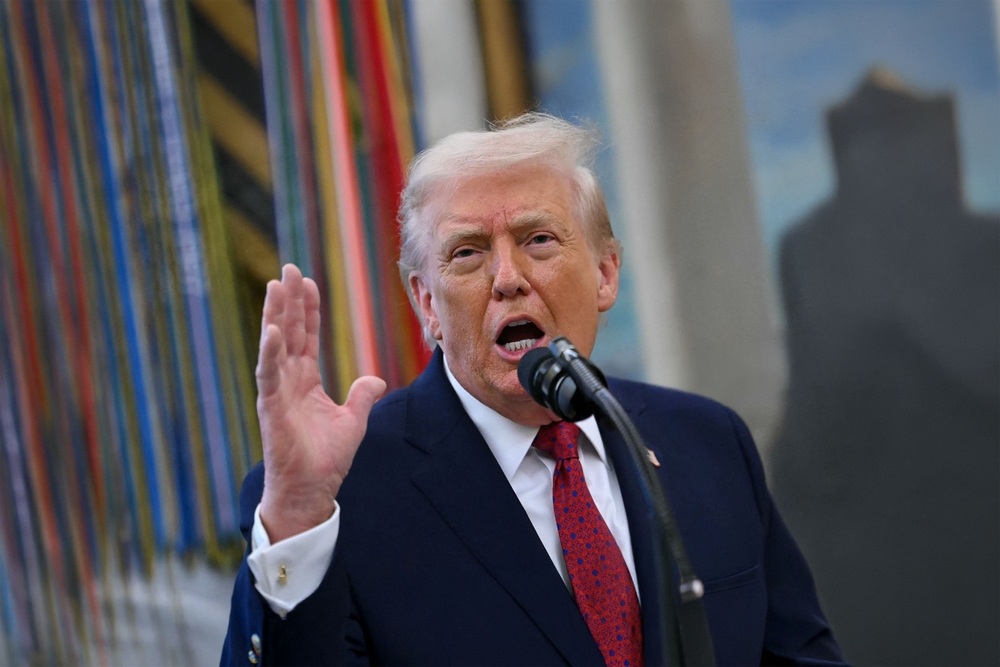
TradingKey - Following the failure of U.S.-Iran peace talks, President Trump announced on Sunday that the U.S. Navy will immediately blockade the Strait of Hormuz and prevent any vessels that have paid transit fees to Iran from navigating in international waters.
U.S. Central Command announced that it will begin blockading Iranian Gulf ports starting at 14:00 GMT on Monday (April 13).
Previously, the U.S. and Iran held 21 hours of negotiations in Islamabad on April 12, which yielded no results. Additionally, The Wall Street Journal reported on Sunday, citing officials and sources familiar with the matter, that Trump and his advisors are considering resuming limited military strikes against Iran while maintaining the blockade of the Strait of Hormuz to break the deadlock in peace negotiations.
Before Trump announced the blockade, according to Iranian media reports, Iran had already halted tanker traffic following Israeli attacks on Lebanon. Other reports suggested that Tehran planned to require passing tankers to pay transit fees in cryptocurrency.
Given that transit through the Strait of Hormuz has not substantively resumed, why did Trump still decide to blockade the waterway?
After Previously Granting "Temporary Waivers" for Iranian Oil Sales, Why Is the U.S. Suddenly Blocking the Strait?
According to CNN reports, the Strait of Hormuz is technically not closed, and Iran has been gradually allowing certain tankers to pass on the condition of a transit fee of up to $2 million per vessel. Throughout the conflict, Iran has continued to allow its own oil to flow in and out. Data from analytics firm Kpler shows that as of March, Iran exported an average of 1.85 million barrels of crude oil per day, an increase of approximately 100,000 barrels per day compared to the previous three months.
Despite the ongoing U.S.-Iran conflict, the U.S. has effectively been "turning a blind eye" to Iran's oil transport activities. In March, the U.S. government issued a temporary waiver allowing Iran to sell oil that had been sitting in floating storage on tankers.
Since the Trump administration withdrew from the Iran nuclear deal in 2018, the U.S. has sought to block Iranian crude sales. However, Trump decided to lift sanctions last month. According to data from the U.S. Energy Information Administration (EIA), the total volume of crude released by Iran reached 140 million barrels, enough to meet global demand for about a day and a half. The fundamental reason the U.S. is allowing Iranian oil sales is the current global supply crunch; any oil currently flowing from Iran helps dampen oil prices and curb inflation.
However, Trump's recent announcement of a blockade of the Strait of Hormuz sends a different message: rather than addressing high oil prices and inflation, Trump aims to sever critical funding for the Iranian government and its military operations. CNN reports that Trump is risking further spikes in oil and natural gas prices to increase his leverage against Iran and end the war.
Oil Prices Remain High as Trump Loses Public Support
On Sunday, Trump indicated that oil prices may remain high leading up to the November midterm elections, a rare admission of the potential political fallout from his decision to attack Iran six weeks ago.
Polls show that a U.S.-Iran war is unpopular with most Americans as oil prices surge, and Trump's approval rating has fallen to its lowest point of his second term, fueling Republican concerns about losing control of Congress in the midterms.
Furthermore, Trump's strategy to blockade the strait has met with skepticism; Mark Warner, the senior Democrat on the Senate Intelligence Committee, stated that Iran has speedboats and could still plant mines or bomb tankers to close the strait, which would fail to lower oil prices.
Read more
* The content presented above, whether from a third party or not, is considered as general advice only. This article should not be construed as containing investment advice, investment recommendations, an offer of or solicitation for any transactions in financial instruments.


