


Trump Blockade of Strait of Hormuz Drives Oil Price Surge, Will This Be Another TACO?

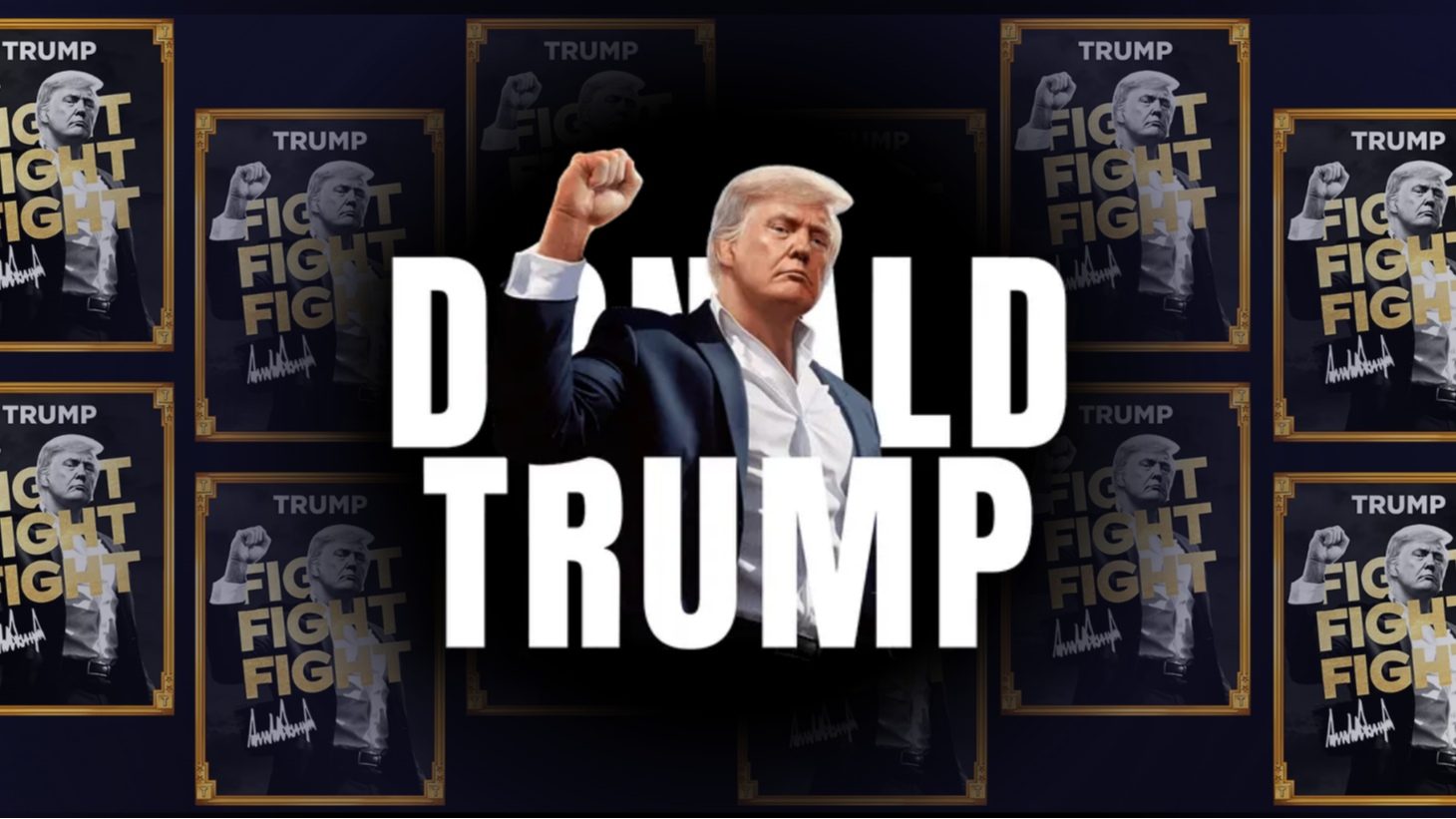
TradingKey - On Sunday (April 13), Trump announced following the breakdown of U.S.-Iran negotiations that the U.S. Navy would impose a maritime blockade on Iranian ports starting Monday.
Following the news, at today's open, WTI crude oil opened higher and traded up, reaching a peak price of $105.63 per barrel, a rebound of more than $10 from the lows seen during the previous round of ceasefire expectations.
Just days ago, WTI had dropped to $91.05 per barrel on ceasefire news, meaning the market completed a shift from 'risk mitigation' to 'risk repricing' in an extremely short period.
Why might this be another TACO-style operation?
If TACO is understood as "first elevating risk to extreme levels, then subsequently releasing signs of de-escalation," then the current tempo is indeed quite similar.
Trump first used tough rhetoric regarding a "blockade of the Strait of Hormuz" to rapidly push oil prices back above $100, but according to public information, the U.S. has not implemented a comprehensive blockade on all vessels traveling through the strait; U.S. Central Command also explicitly stated that ships with non-Iranian destinations can pass and will not be fully blocked.
For the market, this arrangement of "extreme rhetoric but tactical flexibility" is naturally interpreted as a form of negotiating pressure rather than a completely irreversible terminal policy.
This is also why the term TACO is being brought up again. Its core essence is not that Trump will necessarily "blink," but rather that he often pushes market expectations to an extreme first, while maintaining an off-ramp for a subsequent pullback.
Today's crude oil price action is a classic example of this trading logic: first driving prices higher through tough talk, then observing the reactions of Iran, the shipping industry, and allies; if softening signals are released in the future, oil prices could surrender some of that premium. This assessment is an inference based on today's public information rather than a factual assertion of motive.
However, this time is not exactly the same as "pure verbal deterrence."
Caution is warranted, as this situation involves more than just empty rhetoric.
Reuters reported that oil tankers have already begun avoiding the Strait of Hormuz, with some vessels even turning around or rerouting near the Gulf. This indicates that the market is not merely trading on political statements, but on tangible risks that have already begun to impact logistics and shipping decisions.
Furthermore, Saul, head of energy research at MST Marquee, pointed out that this blockade could impact approximately 2 million barrels per day of Iranian crude exports. While Saudi Arabia has restored some capacity to its East-West pipeline, it serves more as a buffer than a full mitigation of the risk.
This means that even if Trump signals a de-escalation later, the market may not necessarily see a full reversal as it did during last week's ceasefire, as some shipping and insurance costs have already begun to rise and the risks have not entirely vanished.
Political pressure is a tangible reality; hence, the motivation for an "initial elevation followed by a cooling-off" is not unfounded.
With the U.S. midterm elections in November drawing near, Trump is currently facing significant electoral pressure.
Trump acknowledged that gasoline prices surpassed $4 per gallon in April and that high prices may persist until the November midterm elections. Simultaneously, rising oil prices have weighed on his second-term approval ratings, with polling numbers even dipping near record lows.
This presents a realistic strategic landscape: if he intends to exert pressure on Iran while preventing oil prices from spiraling out of control, the most probable strategy involves initially generating sufficient pressure to force adversaries back to the bargaining table, followed by signaling de-escalation when excessive oil prices begin to amplify political costs.
While this logic does not prove he is "manipulating" oil prices, from the perspective of political maneuvering and market reaction, the cadence of first driving up risk premiums and subsequently seeking a cooldown indeed aligns with a TACO-style trading path.
Where are oil prices headed next?
Where oil prices head next depends not on today’s hawkish rhetoric itself, but on two key factors.
First, whether the blockade will persist or be revised, relaxed, or transitioned to more limited enforcement within days; second, whether Iran will retaliate or if shipping will continue to bypass the Strait of Hormuz.
These measures have already caused markets to reprice the risks of high oil prices and inflation, but if implemented more thoroughly, they could end up driving global energy prices even higher instead of curbing Iranian revenue.
From a market standpoint, Trump has indeed pushed oil prices higher again, but that does not necessarily mean he intends to keep them at these elevated levels permanently.
A more realistic path may follow the familiar playbook: applying pressure with a hardline stance before seeking a de-escalatory exit as political costs mount; however, given the significant stakes involving the Strait of Hormuz this time, the market may not be as inclined to bank on that eventual pivot as it once was.
Read more
* The content presented above, whether from a third party or not, is considered as general advice only. This article should not be construed as containing investment advice, investment recommendations, an offer of or solicitation for any transactions in financial instruments.


