


Eli Lilly Is Up 7% in 2026 and Has Major Catalysts on the Way. Is the Rally Just Getting Started?
Key Points
Despite its relatively modest gains this year, Eli Lilly is still one of the most widely followed pharmaceutical stocks.
Investors have already priced in strong growth for Mounjaro and Zepbound, making further progress with the triple-agonist retatrutide the next potential catalyst.
Consider this food for thought if you've been mulling taking profit or are waiting to pounce on the stock following any post-earnings pullback.
- 10 stocks we like better than Eli Lilly ›
Compared to the overall stock market, Eli Lilly (NYSE: LLY) has delivered some fairly ho-hum year-to-date returns, rising just 7% since January. Yet there's a reason why it remains one of the most widely followed pharmaceutical stocks.
Eli Lilly continues to benefit greatly from the launch of its GLP-1 weight loss drugs. And on the horizon, a crop of new catalysts related to the stock's existing catalyst could get it firing on all cylinders once again.
Missed Nvidia in 2009? This Rare Signal Is Flashing Again. In 2009, a "Double Down" signal flashed for a little-known chipmaker called Nvidia. For the first time in years, that same "Total Conviction" signal is flashing for a company 1/100th the size of Nvidia. Continue »
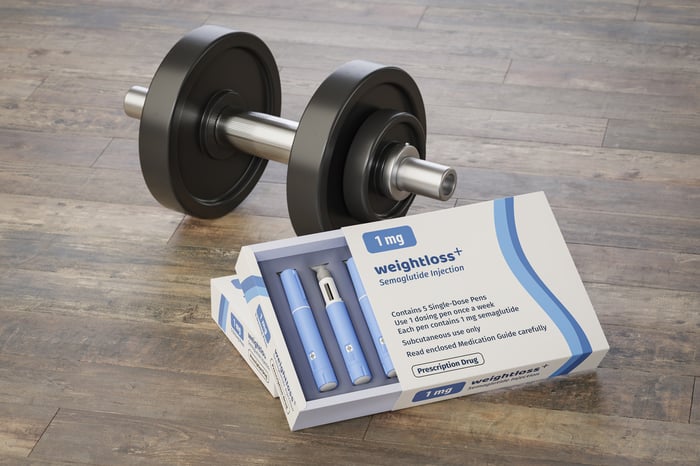
Image source: Getty Images.
Eli Lilly and its next big catalyst
During Q1 2026, overall sales increased by 56% year over year, thanks largely to increased sales of tirzepatide, Lilly's "dual-agonist" GIP/GLP-1 treatment, sold under the Mounjaro name as a diabetes treatment, and as Zepbound as a weight loss treatment. Mounjaro sales increased 125%, while Zepbound sales were up 80%.
However, investors have already priced in tirzepatide's runaway success. Eli Lilly has been at work on retatrutide, a "triple G" agonist. According to phase 3 clinical trial data unveiled last month, the candidate "delivered substantial weight loss" among trial participants with obesity and related conditions, including type 2 diabetes and cardiovascular disease.
How soon could retatrutide drive the next rally?
Following the clinical trial, Eli Lilly plans to submit a Biologics License Application (BLA) with the Food and Drug Administration (FDA) early next year, suggesting a major project launch for 2027. This catalyst could soon have a greater impact on price action. Yes, investors more or less "sold the news" of the clinical trial data, as seen from the stock's recent pullback.
Eli Lilly's upcoming earnings release on Aug. 5 could spark further selling, especially as the stock remains far pricier than its peers at 34 times earnings. For better or worse, Q2 results will also provide a clearer picture of another Eli Lilly catalyst, the company's recently launched Foundayo pill-based weight loss drug.
Unless these results -- or guidance -- suggest otherwise, growth remains on track. Long-term Eli Lilly investors may want to hold rather than take profits, while prospective buyers could benefit if further profit-taking creates a better entry point.
Should you buy stock in Eli Lilly right now?
Before you buy stock in Eli Lilly, consider this:
The Motley Fool Stock Advisor analyst team just identified what they believe are the 10 best stocks for investors to buy now… and Eli Lilly wasn’t one of them. The 10 stocks that made the cut could produce monster returns in the coming years.
Consider when Netflix made this list on December 17, 2004... if you invested $1,000 at the time of our recommendation, you’d have $386,727!* Or when Nvidia made this list on April 15, 2005... if you invested $1,000 at the time of our recommendation, you’d have $1,232,139!*
Now, it’s worth noting Stock Advisor’s total average return is 906% — a market-crushing outperformance compared to 208% for the S&P 500. Don't miss the latest top 10 list, available with Stock Advisor, and join an investing community built by individual investors for individual investors.
See the 10 stocks »
*Stock Advisor returns as of August 4, 2026.
Thomas Niel has no position in any of the stocks mentioned. The Motley Fool has positions in and recommends Eli Lilly. The Motley Fool has a disclosure policy.
Recommended Articles


