


Lockheed Martin Corp Stock (LMT) Moved Down by 4.05% on Jun 21: What Signal Does It Send?
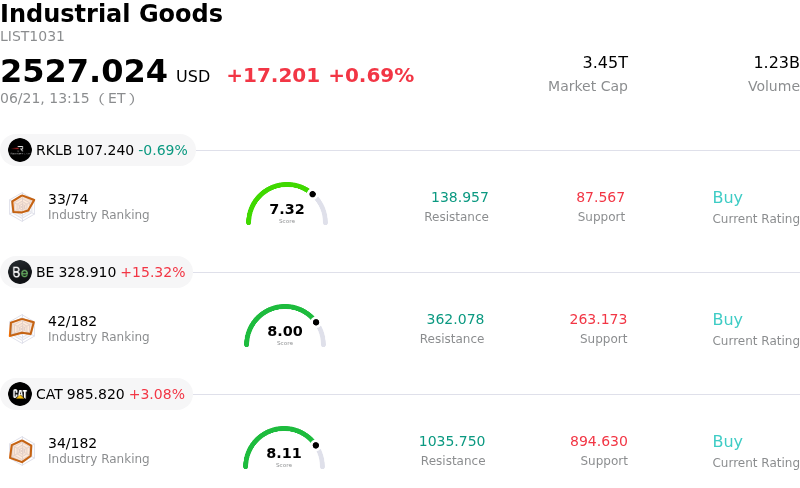
Lockheed Martin Corp (LMT) moved down by 4.05%. The Industrial Goods sector is up by 0.69%. The company underperformed the industry. Top 3 stocks by turnover in the sector: Rocket Lab USA Inc (RKLB) down 0.69%; Bloom Energy Corp (BE) up 15.32%; Caterpillar Inc (CAT) up 3.08%.
What is driving Lockheed Martin Corp (LMT)’s stock price down today?
The primary catalyst behind the sudden downward pressure on Lockheed Martin shares is a massive shift in the geopolitical landscape. The formal signing of a permanent peace agreement and memorandum of understanding between the United States and Iran has significantly eased Middle East tensions. This historic de-escalation has removed a critical geopolitical tailwind—the conflict premium—that had heavily supported defense sector valuations and weapon replenishment cycles. As a result, institutional investors aggressively unwound their defense positions, triggering a sharp, sector-wide selloff that dragged down Lockheed Martin along with its major aerospace peers.
This geopolitical breakthrough prompted a distinct divergence between defensive equities and the broader market. While defense contractors faced heavy liquidation, major stock indices advanced on expectations of lower energy costs and the normalization of shipping routes, particularly with the reopening of the Strait of Hormuz. This discrepancy reflects a classic sector rotation, as institutional money managers migrated capital out of legacy defense holdings and into cyclical, growth, and technology sectors positioned to benefit from improved macroeconomic stability and eased global supply chain pressures.
Compounding these geopolitical headwinds are deep-seated operational execution concerns. Recent media spotlights on the defense-industrial base have highlighted that Lockheed Martin is running years behind schedule on critical deliveries. To address these systemic production bottlenecks and urgent munitions shortages, the company was forced to partner with GM Defense under a Defense Production Act mandate, aiming to leverage commercial automotive manufacturing speeds. While this collaboration could offer long-term scale, it underscores the severe near-term strain on the company’s internal capacity and supply chain resilience.
From a financial perspective, Lockheed Martin’s underlying performance metrics have weighed heavily on investor sentiment. The company has experienced notable operating margin compression within its core aeronautics division, exacerbated by unfavorable cost and profit adjustments on key programs like the F-16 and C-130. These ongoing cost overruns, combined with deteriorating cash flow metrics that recently pressured free cash flow, have led several institutional analysts to revise their full-year earnings estimates downward. This cautious stance from the analyst community further dampens short-term buying enthusiasm.
Technical Analysis of Lockheed Martin Corp (LMT)
Technically, Lockheed Martin Corp (LMT) shows a MACD (12,26,9) value of 1.921, indicating a neutral signal. The RSI at 40.719 suggests neutral condition and the Williams %R at 87.404 suggests oversold condition. Please monitor closely.
Media Coverage of Lockheed Martin Corp (LMT)
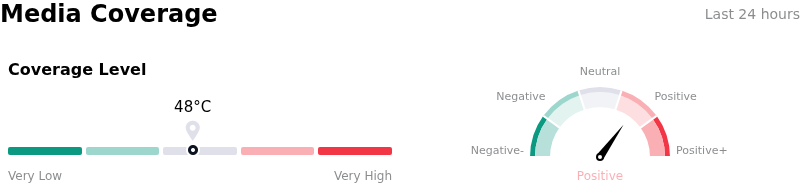
In terms of media coverage, Lockheed Martin Corp (LMT) shows a coverage score of 48, indicating a moderate level of media attention. The overall market sentiment index is currently in bullish zone.
Fundamental Analysis of Lockheed Martin Corp (LMT)
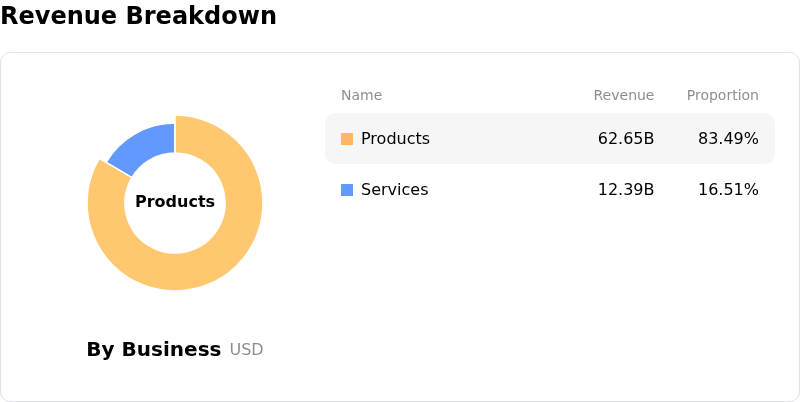
Lockheed Martin Corp (LMT) is in the Industrial Goods industry. Its latest annual revenue is $75.05B, ranking 3 in the industry. The net profit is $5.02B, ranking 3 in the industry. Company Profile
Over the past month, multiple analysts have rated the company as Hold, with an average price target of $625.51, a high of $756.00, and a low of $511.00.
More details about Lockheed Martin Corp (LMT)
Company Specific Risks:
- Geopolitical De-escalation and Valuation De-rating: The formal signing of an interim peace agreement between the United States and Iran on June 18, 2026, has dramatically reduced near-term conflict risk. This historic de-escalation has triggered a sharp selloff in LMT shares as institutional investors aggressively strip out the "geopolitical risk premium" that previously supported elevated valuations, sparking a major sector-wide capital rotation.
- Operational Hurdles and Legacy Program Margin Pressure: Persistent execution issues and unfavorable cost adjustments across primary legacy programs, specifically the F-16 and C-130, continue to strain profitability. These structural execution hurdles drove a significant quarterly bottom-line miss ($6.44 EPS actual vs. $6.79 expected), triggering downward earnings-per-share revisions for fiscal years 2026 and 2027.
- Wall Street Bearishness and Contract Growth Concerns: Institutional analysts have raised alarms regarding slower growth in the core Aeronautics segment and lingering contract risks. Wall Street firms, including Goldman Sachs, maintain a Sell rating and a bearish price target of $511, citing structural bottlenecks that threaten the company’s long-term backlog monetization and cash flow conversion.
- Critical Software Integration and F-35 Delivery Risks: The flagship F-35 program remains highly vulnerable to software-defined system integration delays. Despite clearing historical backlogs, the ongoing complexity of the Technology Refresh 3 (TR-3) upgrade represents a major operational risk where any future certification freezes or software immaturity can rapidly freeze deliveries, inflate storage costs, and cause severe cash flow bottlenecks.
Recommended Articles


