


Japanese Yen hangs near intervention zone despite BoJ rate hike, ahead of FOMC

 Trending Articles
- Gold Price Forecast: Oil Price Breaking $100 Fuels Inflation Concerns, Will Gold Prices Fall Further?
- Gold Price Trend Forecast: Expectations of Easing US-Iran Tensions Boost Gold Prices, $4,070 Becomes Key Level for Bulls and Bears
- Gold rallies to over two-week high, eyes $4,150 as traders track US-Iran diplomacy efforts
- Euro declines to near 1.1400 as US launches fresh strikes on Iran
- Tesla Q2 Earnings Preview: Record Deliveries Fail to Hide Profit Pressure, Can Musk Rely on AI and Autonomous Driving to Unlock New Growth Space?
- WTI climbs above $87.00 as Middle East conflict threatens key choke points
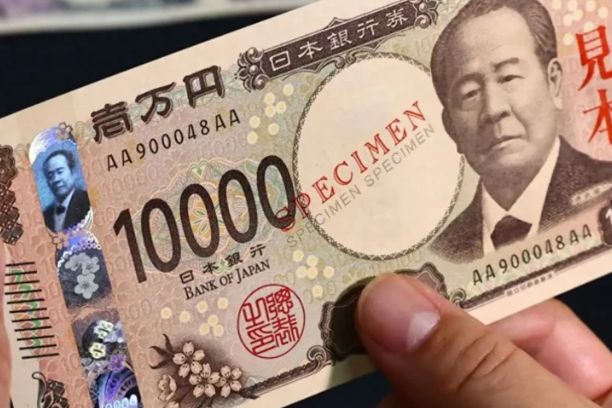
USD/JPY stalls a three-day-old positive move as intervention fears lend some support to the JPY.
The US-Iran peace deal undermines the USD and also caps the pair ahead of the FOMC decision.
The Japan-US rate differential might continue to act as a tailwind for spot prices and limit losses.
The USD/JPY pair ticks lower during the Asian session on Wednesday, though it remains within striking distance of the highest level since late April, touched last week. Spot prices currently trade below the 160.50 intervention zone as traders keenly await the outcome of a two-day FOMC policy meeting later today.
The US Federal Reserve (Fed) is widely expected to leave policy rates unchanged and remove the easing bias from the accompanying statement as inflation is proving stickier than anticipated. The market focus will be on updated economic projections, which include the so-called dot plot. Moreover, comments from the new Fed Chair, Kevin Warsh, will be scrutinized closely for fresh cues about the central bank's policy path. The outlook, in turn, will play a key role in influencing the US Dollar (USD) price dynamics and provide some meaningful impetus to the USD/JPY pair.
Heading into the key central bank event risk, the latest optimism over an interim peace deal between the US and Iran keeps the safe-haven USD on the back foot. Adding to this, speculations that authorities will step in again to prop up the Japanese Yen (JPY) contribute to capping the USD/JPY pair. The JPY, however, continues with its struggle to attract buyers despite the Bank of Japan's (BoJ) rate hike on Tuesday, to the highest level since 1995. Japan's borrowing costs remain lower than those of peer nations like the US, which keeps the JPY carry trade active and supports the currency pair.
Traders also seem hesitant and opt to wait for more details on the agreement before placing aggressive directional bets around the USD/JPY pair. Nevertheless, the aforementioned fundamental backdrop seems tilted in favor of bullish traders, suggesting that any corrective slide could be seen as a buying opportunity and remain limited. Hence, it will be prudent to wait for strong follow-through selling before confirming a near-term top for spot prices and positioning for deeper losses.
Read more
* The content presented above, whether from a third party or not, is considered as general advice only. This article should not be construed as containing investment advice, investment recommendations, an offer of or solicitation for any transactions in financial instruments.


