


Is 19% Oil Price Slump Just the Surface? Doubts Over Strait of Hormuz Reopening Details; EIA Warns of Continued Rise in US Fuel Prices

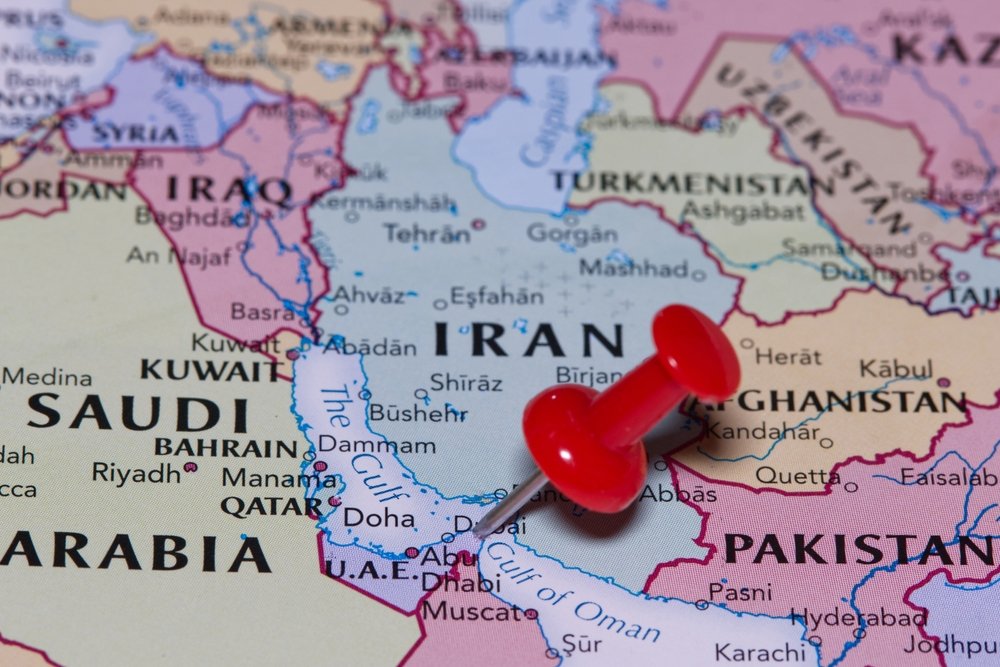
TradingKey - On April 7, Eastern Time, Trump announced a truce, suspending bombing and offensive operations against Iran for two weeks and reopening the Strait of Hormuz.
Affected by this, WTI crude at one point plummeted more than 19%, marking its largest single-day drop in nearly six years and hovering around $95 per barrel. Brent crude fell 13%, breaking below the $100 threshold.
However, the oil market outlook remains far from optimistic. The U.S. Energy Information Administration (EIA) said on Tuesday that even if the Strait of Hormuz reopens, fuel prices may continue to rise in the coming months.
According to Bloomberg, more than 800 vessels are currently stranded in the Persian Gulf. Although the U.S. and Iran have announced the reopening of the Strait of Hormuz, details remain unclear: Trump claimed a 'full, immediate, and safe opening' of the strait, while Iran stated it requires coordination with armed forces and cited 'technical limitations'.
Strait of Hormuz to Reopen? Iran Seeks Economic Compensation
According to Bloomberg, although both the U.S. and Iran have announced a ceasefire, transit conditions in the Strait of Hormuz have not substantively improved, with most shipowners stating they require more details before taking actual action.
Currently, approximately 800 vessels are stranded in the Persian Gulf, including 426 crude and refined product tankers, 34 LPG carriers, and 19 LNG carriers. If these vessels transit successfully after the strait reopens, the five-week-long energy supply tightness will be alleviated in the short term.
However, details remain unclear, and the primary constraint lies in the disagreement over ceasefire terms between the U.S. and Iran. According to a statement from Iran's Supreme National Security Council, Iran submitted a ten-point plan to the U.S. via Pakistan. Core terms include controlling transit through the Strait of Hormuz under the premise of coordination with Iranian armed forces, and establishing a security transit protocol ensuring Iranian dominance.
An anonymous regional official revealed that the agreement also contains provisions allowing Iran and Oman to charge transit fees to passing vessels, which Iran would use for reconstruction.
The issue of fees is particularly sensitive, as no transit fees have ever been levied on vessels passing through the Strait of Hormuz before. The strait is located within the territorial waters of Iran and Oman, but the international community has always regarded it as an international waterway. If the final ceasefire agreement includes fee provisions, it may set a precedent for transit through international waterways.
JPMorgan Chase (JPM) Natasha Kaneva, a commodities strategist, believes that the blockade of the Strait of Hormuz may have previously been a tactical tool for Iran to pressure the United States, but Iran now increasingly views it as a strategic objective with economic gains and may use it as a formal, long-term measure. Based on this reasoning, JPMorgan believes that Iran's motivation to fully reopen the strait is limited without a comprehensive ceasefire agreement with the United States.
Shipping Traffic Unlikely to Recover in Short Term; Middle East Crude Production Cuts Persist
Even under the most optimistic expectations that the Strait of Hormuz will reopen shortly, global shipping traffic is unlikely to return to normal in the short term. Analysts suggest that the factor currently capable of triggering a substantial recovery in traffic is the protection provided by the U.S. Navy. If a ceasefire agreement takes effect, Iran will stop attacking the U.S. Navy and its assets, allowing the U.S. Navy to provide protection for merchant vessels in transit.
The most pessimistic outlook, however, is that as long as the specific details of a ceasefire remain unclear, merchant vessels will refrain from moving due to lingering risks, ultimately missing the currently foreseeable two-week window. Given that neither the U.S. nor Iran has committed to a permanent truce, the situation after two weeks remains difficult to predict.
Another adverse factor is the ongoing crude oil production cuts in the Middle East. According to the Short-Term Energy Outlook released by the EIA, Iraq, Saudi Arabia, Kuwait, the UAE, Qatar, and Bahrain collectively reduced crude oil production by 7.5 million barrels per day in March, a figure expected to rise to 9.1 million barrels per day in April.
The EIA expects that, as a result, Brent crude prices will average $115 per barrel in the second quarter, $24 higher than last month's forecast, with the full-year average price projected to reach $96 per barrel. Simultaneously, prices for refined products will also rise, with the average U.S. retail gasoline price expected to climb as high as $4.30 per gallon in April.
GasBuddy analyst Patrick De Haan holds a more aggressive view, suggesting that without a clear plan to reopen the Strait of Hormuz, gasoline prices could even surge above $5 per gallon, breaking the record of $5.017 per gallon set in June 2022.
Read more
* The content presented above, whether from a third party or not, is considered as general advice only. This article should not be construed as containing investment advice, investment recommendations, an offer of or solicitation for any transactions in financial instruments.


