


Trump Openly Seizes Oil, Threatening to “Control Iran Overnight.” WTI Crude Has Doubled to $115 This Year; Will Oil Prices Face More Variables?

 Trending Articles
- Today’s Market Recap: US and Iran Signal Willingness to End Conflict, Three Major US Stock Indexes Surge, Dollar Ends Five-Day Winning Streak
- Trump Withdrawal Intent Reshapes Liquidity, Bitcoin Breaks $68,000 Mark
- Trump National Address ‘About-Face,’ Bitcoin Slumps Back to $66,000
- Gold under pressure as fears mount, $4,600 support at risk
- Gold Second-Quarter Outlook: Safe-Haven Failure or Pricing Logic Reshaping? Can Gold Enter a Major Rally?
- WTI eases below $103.50 as US, Iran reportedly seeking 45-day ceasefire
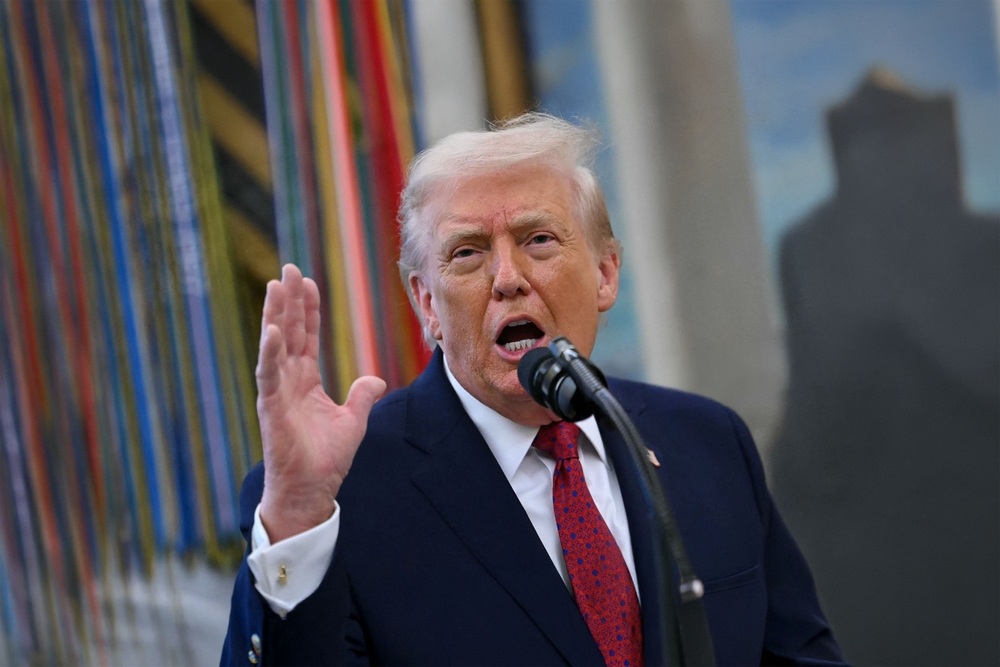
TradingKey - On April 6, Trump remarked regarding the Iran issue that he could "control the entire country overnight" and indicated that the deadline for ceasefire negotiations could be tomorrow (the 7th) night, specifically 8:00 PM ET on April 7. He stated that if an agreement is not reached by the deadline, all of Iran's power plants and bridges will be destroyed within four hours after the deadline.
However, Iran's stance remains equally firm; although it expressed a willingness for a ceasefire, it emphasized that the conflict must end permanently and rejected any temporary truce.
Currently, driven by Trump's threats, WTI crude oil futures briefly broke above $116 during intraday trading, reaching their highest price since the Russia-Ukraine war and marking a year-to-date increase of over 100%. Given the challenges in finalizing U.S.-Iran negotiations and the rising probability of a prolonged conflict, how will the outlook for oil prices change?
Ultimatum vs. Signals of Reconciliation: What are Trump’s True Intentions?
On April 5, after issuing a warning to Iran that power plants and bridges would be destroyed if the Strait of Hormuz remained closed, Donald Trump expressed "great hope" in a Fox News interview later that day for a deal to be reached by Monday. Trump's oscillation between two extreme outcomes has left investors in a bind, forcing them to balance investment strategies for a potential truce against the risk of surging oil prices and bond yields if hostilities suddenly escalate.
Iran continues to reject Trump’s ceasefire demands, maintaining its stance that the Strait of Hormuz will only reopen upon receipt of war reparations. Over the past weekend, Iran sustained its strikes across the Gulf, including an attack on the headquarters of Kuwait Petroleum. Rob Subbaraman, head of global macro research at Nomura, noted that there are only two possible outcomes: a ceasefire or further escalation.
Citadel Securities analyst Nohshad Shah noted that after nearly five weeks of sustained escalation, both the U.S. and Iran have fallen into a "classic escalation trap"—a scenario where both combatants ramp up pressure to force a concession, only to trigger larger counter-measures that eventually outweigh the war's original strategic gains.
Shah believes Trump also seeks to avoid a protracted war and its attendant domestic political fallout. He aims to keep the door open for negotiations while maintaining the current pace of airstrikes, hoping the strait will "open naturally" once hostilities cease. Similarly, Iran wishes to pause the "hot war" while retaining control over maritime traffic. Shah contends that at this stage of the conflict, both sides are reluctant to take the next, far more costly step.
Trump’s Oil Grab: Will Future Prices Rise or Fall?
At the press conference, Trump stated that as the victor, he would take Iran's oil as his own and proposed the idea of the U.S. charging fees for vessels passing through the Strait of Hormuz. If the U.S. ultimately prevails and Iran surrenders, the global crude oil landscape could undergo a major shift.
In the short term, if Trump follows through on the penalties in this "ultimatum" against Iran by striking Iranian energy facilities, oil prices could break through historical highs.
Furthermore, if the U.S. ultimately achieves its goal of taking over the Strait of Hormuz, artificially increasing transit fees and raising transportation costs, it could end the era of low oil prices worldwide; if it ultimately controls Iran's oil resources, the U.S. will possess stronger crude oil pricing power, further consolidating the dollar's status as the sole settlement currency for oil and affecting the import costs of other nations.
However, the only certainty at present is that the crude oil supply chain has already been affected by the war. According to the latest report from Goldman Sachs, the actual situation may be more complex than a global disruption of crude oil supply. Goldman Sachs (GS) points out that Asian countries are bearing the brunt; although some countries can currently stabilize their foundations by utilizing inventories and limiting exports, this buffer is only temporary.
JPMorgan Chase (JPM) clearly stated its bullishness on crude oil in its April 3 report, forecasting a short-term rise to $120-$130 per barrel; if the blockade of the Strait of Hormuz persists until mid-May, there is a risk that oil prices could break $150 in an extreme scenario.
Read more
* The content presented above, whether from a third party or not, is considered as general advice only. This article should not be construed as containing investment advice, investment recommendations, an offer of or solicitation for any transactions in financial instruments.


