




Is 4.35% the Peak? What the RBA's Decision Means for AUD, the ASX and Australian Traders Before September 29
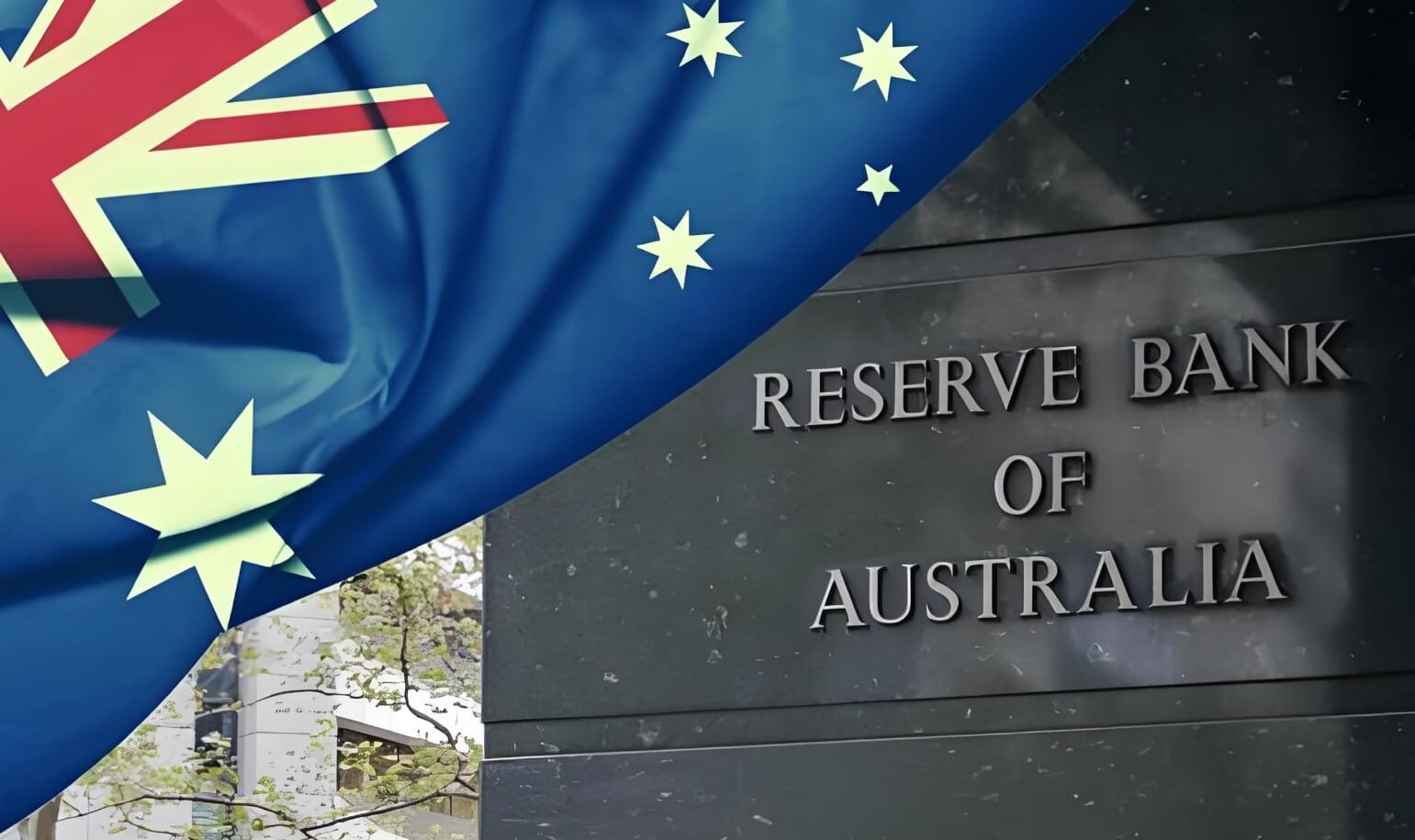
The Reserve Bank of Australia held its cash rate at 4.35% on August 11 in a unanimous decision, its second consecutive hold after three hikes in the first half of 2026. The decision itself was widely expected. What was not expected was how clearly Governor Michele Bullock kept the door open to further tightening in the same statement.
That gap is the story. The market is pricing a 90% probability of another hold on September 29. The big four banks are forecasting that the next move will be a cut in 2027, not another hike in 2026. The RBA is saying inflation is still too high and it is prepared to act if upside risks materialise. One of these views is wrong, and September 29 is the day the market finds out which one.
This guide covers exactly what the RBA decided and why, what the statement language actually signals, what the data between now and September 29 will determine, and what Australian traders need to watch across AUD/USD and the ASX 200 before the next decision lands.
What the RBA Actually Decided on August 11
The Reserve Bank of Australia held its cash rate target at 4.35% at its August 10 to 11 meeting, in a unanimous decision that marked the second consecutive hold after three 25 basis point hikes in February, March, and May 2026.
The decision was made possible by June quarter CPI data that came in softer than the board had previously feared. June headline CPI printed at 3.8% and trimmed mean underlying inflation at 3.6%, both below the levels that would have made an immediate fourth hike difficult to avoid. The RBA's own statement noted that financial conditions had tightened following the three earlier hikes and that the economy appeared to be slowing as expected.
The hold was the second time this year the board left rates unchanged after a meeting, the first being June. For borrowers, it was a welcome pause. For traders, the more important signal was not the decision itself but the language that accompanied it.
The Language That Matters More Than the Decision
The RBA did not declare victory on inflation. It did not signal the hiking cycle was over. It held, and then immediately reminded markets it could hike again.
The August statement confirmed that inflation remained too high and that the board could raise the cash rate again if upside risks to inflation materialise. That language is deliberate. The RBA uses its statement wording to manage market expectations, and explicitly keeping a hike option open while holding is a different signal from holding and removing the tightening bias entirely.
Governor Bullock had already set the tone. On July 28 at the Anika Foundation Fundraising Lunch, she said the board was "prepared to act as required" and warned that "putting off a period of tight monetary policy today can mean higher rates and higher unemployment down the track." That speech came before the soft June CPI cleared the immediate case for August action. The question for September 29 is whether the statement's hawkish lean reflects a genuine willingness to hike again or whether it is cautionary language designed to prevent markets from getting too far ahead of themselves on rate cut expectations.
What September 29 Actually Means
The next RBA meeting is September 28 to 29, with the decision announced at 2:30pm AEST on September 29. Markets are currently pricing it as a near-certainty hold. Market-implied probability of no change sits at 90% based on ASX 30-day interbank cash rate futures.
All four major banks, ANZ, Commonwealth Bank, NAB, and Westpac, now forecast the next cash rate movements to be cuts during 2027 rather than further changes in 2026. The consensus among market economists is that 4.35% marks the peak. The RBA is not confirming that consensus.
Between now and September 29, three data releases will determine which view turns out to be correct. The August CPI print is the most important single number. If it surprises to the upside and shows inflation reaccelerating, the RBA's hawkish language immediately becomes credible and September hike odds will reprice sharply higher. If it confirms the softening trend, the hold consensus firms and the conversation shifts to how quickly cuts arrive in 2027. The August employment data and retail sales figures will add supporting context for how the economy is absorbing the three earlier hikes.
What This Means for AUD/USD
AUD/USD is the instrument that reacts most directly and immediately to every shift in RBA rate expectations, and the 2026 price action reflects the full story.
The pair hit a June low of 0.6865 as Middle East conflict and inflation fears combined to weigh on the Aussie. Since then, the RBA holds and the soft June CPI has shifted the narrative. AUD/USD sits at 0.718 as of writing, according to the RBA's own exchange rate data. The FXStreet analysis recently published two clear scenarios from here. The bull case is a move beyond 0.7100, targeting the May peak of 0.7200 and ultimately the 2026 ceiling at 0.7277. The bear case is a retreat below 0.7000, exposing the 200-day SMA and potentially the June floor at 0.6865.
September 29 determines which scenario plays out. A hold with softened language moves AUD lower as rate support weakens. A hold with maintained hawkish language keeps AUD broadly supported around current levels. A surprise hike, while unlikely at 10% probability, would send AUD sharply higher in the immediate session.
What This Means for the ASX 200
The ASX 200 carries two competing rate dynamics heading into September 29.
The financial services sector, which represents the largest single weighting in the index at approximately 27%, benefits from the 4.35% rate environment through improved net interest margins. The major banks delivered strong results in the August earnings season, with CBA posting record cash profit of $11 billion and a NIM held broadly stable at 2.05%. A September hold at 4.35% preserves that income dynamic. A surprise hike would initially boost bank earnings expectations but could accelerate credit quality deterioration if household budgets are squeezed further.
Consumer-facing stocks face the opposite pressure. As confirmed during the August earnings season, three RBA rate hikes to 4.35% in 2026 showed up directly in corporate earnings, with companies reporting softer sales volumes and margin compression from elevated input costs. A September hold without a further hike reduces that pressure incrementally. If the September statement signals the hiking cycle is definitively over and rate cut expectations for 2027 build more firmly, consumer and property-related stocks will likely outperform.
How Australian Traders Are Positioning on Mitrade
Mitrade, regulated by ASIC under licence AFSL 398528, offers AUD/USD and the ASX 200 as CFD instruments from a single zero-commission account. September 29 is the most clearly defined upcoming catalyst for both instruments, and the market is currently positioned heavily toward a hold. That creates an asymmetric setup. A hold that goes exactly as priced may generate limited movement. Any deviation from the expected hold, whether a hike or a hold with language that marks a clear shift in either direction, will move AUD/USD and the ASX 200 significantly in the session that follows.
Traders go long AUD/USD if they believe the RBA will maintain its hawkish language and the big four banks are wrong about the rate cycle being over. They go short if they believe the September statement will signal the peak more clearly and rate cut expectations for 2027 will compress the AUD/USD rally from current levels. Stop-loss and take-profit controls appear directly on the Mitrade order screen before any trade is confirmed. A free demo account with $50,000 in virtual funds lets traders practise positioning around RBA decisions before committing real capital to the September 29 outcome.
Sign up on Mitrade and complete identity verification.
* CFD trading involves risk and may not be suitable for all investors.
Open a Demo AccountYou might be interested in…
1. What did the RBA decide at its August 2026 meeting?
The Reserve Bank of Australia held its cash rate at 4.35% on August 11, 2026 in a unanimous decision, marking the second consecutive hold after three 25 basis point hikes in February, March, and May. The hold was enabled by June quarter CPI data that came in softer than expected, with headline inflation at 3.8% and trimmed mean at 3.6%. The RBA's statement confirmed that financial conditions had tightened and the economy was slowing as expected, but explicitly kept the door open to further hikes if upside inflation risks materialise.
2. What is the probability of an RBA rate hike at the September 29 meeting?
Based on ASX 30-day interbank cash rate futures, the market-implied probability of no change at the September 29 meeting is 90%. All four major banks, ANZ, CBA, NAB, and Westpac, forecast the next cash rate movements to be cuts in 2027 rather than further hikes in 2026. However, the RBA has not confirmed the hiking cycle is over and retains the option to act if August inflation data surprises to the upside.
3. What data will determine the RBA's September 29 decision?
The August CPI print is the most important data release between now and September 29. If it shows inflation reaccelerating, the RBA's hawkish language becomes immediately credible and September hike odds will reprice higher. If it confirms the softening trend from June, the hold consensus firms and the conversation shifts to the timing of 2027 cuts. August employment data and retail sales figures will provide supporting context for how the economy is absorbing the three earlier hikes.
4. What does the RBA's August hold mean for AUD/USD?
AUD/USD sits at 0.7150 as of writing, according to the RBA's own exchange rate data, well above the June low of 0.6865. The FXStreet analysis published August 25 identifies a bull case targeting the May peak of 0.7200 and the 2026 ceiling at 0.7277, and a bear case exposing the 200-day SMA and the June floor. September 29 is the next major catalyst for the pair.
5. How does the RBA cash rate affect the ASX 200?
The RBA cash rate affects the ASX 200 through two competing channels. The financial services sector, the index's largest weighting at approximately 27%, benefits from higher rates through improved net interest income for banks. Consumer-facing stocks and property-related names face the opposite pressure as higher borrowing costs squeeze household budgets and soften spending volumes. The August earnings season confirmed this split, with bank results outperforming and consumer stocks showing margin compression from persistent cost pressures.
6. Can Australian traders position around the RBA's September 29 decision on Mitrade?
Yes. Mitrade offers AUD/USD and the ASX 200 as CFD instruments under ASIC regulation with licence AFSL 398528. Traders can go long or short on both instruments with zero commission and stop-loss controls directly on the order screen. A free demo account with $50,000 in virtual funds is available to practise positioning around RBA decisions before going live.
Disclaimer: The content presented above, whether from a third party or not, is considered as general advice only. CFD trading involves significant risk of loss. Past performance does not guarantee future results. This article serves informational purposes only and does not constitute financial advice. Consider your risk tolerance before trading.


