




What Every Beginner Needs To Know About CFD Trading
Did you know that you can trade on Apple stocks, gold, or currencies—all without directly owning any actual assets? CFD trading enables this form of exposure through speculative contracts. However, it’s essential to understand what CFDs are, how they work, and the risks involved before you start.
What Is CFD Trading?
A Contract for Difference (CFD) is a financial agreement between a trader and a broker to exchange the difference in the price of an asset between the time the contract is opened and closed. This means you can speculate on whether the price will rise or fall without owning the underlying asset. For example, you think that Apple's stock price will increase from $150 to $160 and you open a CFD a buy position. If the price rises, you earn the $10 difference (excluding any fees). If the price falls to $140, you would incur $10 loss. CFDs are available across different markets including currencies (forex), commodities like gold and oil, indices, shares, and even cryptocurrencies.
The Rising Popularity of CFD Trading
The emergance of digital trading platforms has transformed the way people interact with financial markets. New traders are drawn to the lower barriers to entry, while experienced market participants value the flexibility CFDs provide over traditional investment options.
Explore More Markets with Lower Capital Commitment
CFD trading offers the opportunity to begin with smaller capital compared to traditional investments. With as little as a few hundred dollars, you can access markets that typically require larger investments. This is made possible, through leverage, which acts like a financial magnifier – giving you more market exposure with a smaller initial outlay.
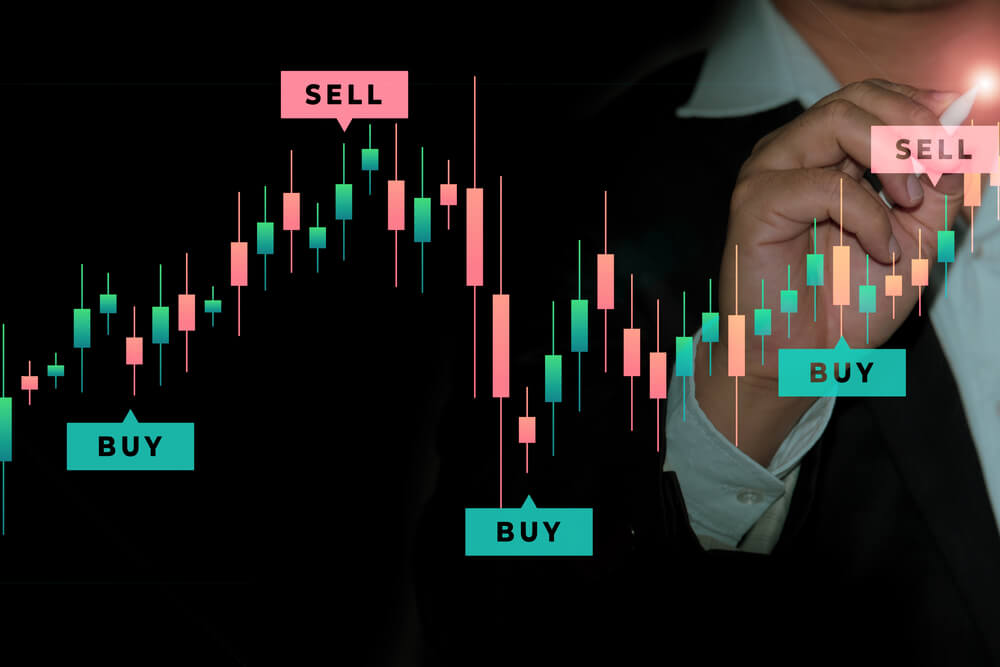
Unlike traditional stock trading, where profits are made only when prices rise, CFD trading allows you to participate even when markets decline. This means you are not excluded from market movements during downturns. If you anticipate a market drop, you can open a "sell" position and potentially benefit if your prediction is accurate.

Access Global Markets Through Trading Platforms
With a single online trading account, you can trade Australian shares in the morning, US tech stocks in the afternoon, and European currencies in the evening. This streamlined approach eliminates the need for multiple accounts with different brokers across various regions.
Modern trading platforms provide a wide range of tools for market analysis, position management, and real-time updates. These platforms are user-friendly, making it easier for beginners to navigate global markets with confidence.
It is recommended to become familiar with your chosen platform's features before committing to real capital. This understanding can be crucial when making in fast-moving markets.
Fundamental Knowledge for Beginner Traders
CFD trading involves significant risk due to the use of leverage. Statistics show that between 74% and 89% of retail investor accounts lose money when trading CFDs, emphasizing the importance of understanding the fundamentals before you start.
CFDs are complex instruments that can lead to significant financial losses. Leveraged positions are especially vulnerable to market volatility, where even small price fluctuations can have a large impact on your account.
It is important to remember that past performance is not indicative of future results. CFD trading may not be suitable for all investors, and product availability may vary depending on your location.
Getting Started with CFD Trading - Your Step-by-Step Guide
Starting your journey in the world of CFDs requires a methodical approach:
Build Your Knowledge Base
· Learn the fundamentals of the market and the mechanics of CFD trading
· Understand key terms: spreads, margin, leverage, overnight costs
· Use both broker resources and independent educational platforms to strengthen your knowledge
Choose the Right Broker
· Select a broker regulated by authorities such as ASIC, CySEC, or FCA
· Verify the broker’s regulatory status through official websites
· Compare fees, available markets, platform usability, and support quality to find the best fit for your needs.
Practice with a Demo Account
· Sign up for a demo account to trade with virtual funds and gain experience without financial risk
· Familiarize yourself with the platform and test different trading strategies
· Practice consistently until you feel confident
Opening a Live Trading Account
· Complete the verification process by submitting required documents
· Start with an amount that you are comfortable risking, keeping in mind your personal risk tolerance
· Choose a convenient deposit method that works for you such as bank transfer, cards, or e-wallets to fund your account
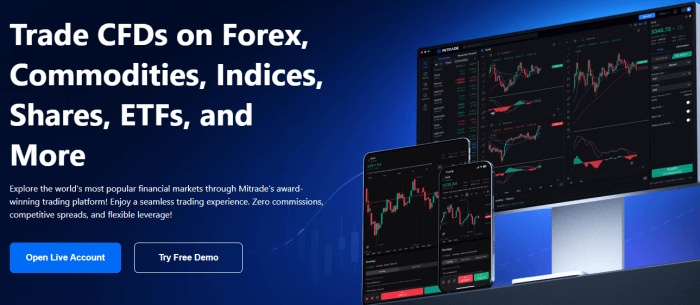
Ready to explore what is CFD trading without financial risk? Visit Mitrade to open a demo account trading with virtual funds and access comprehensive educational resources.
Once you feel ready to engage with real markets, you can upgrade to a live account and begin your CFD trading journey on a trusted platform.
Disclaimer: The content presented above, whether from a third party or not, is considered as general advice only. CFD trading involves significant risk of loss. Past performance does not guarantee future results. This article serves informational purposes only and does not constitute financial advice. Consider your risk tolerance before trading.


