




Weekly Market Wrap: The Fed finally raised rates — but oil’s retreat gave stocks room to breathe

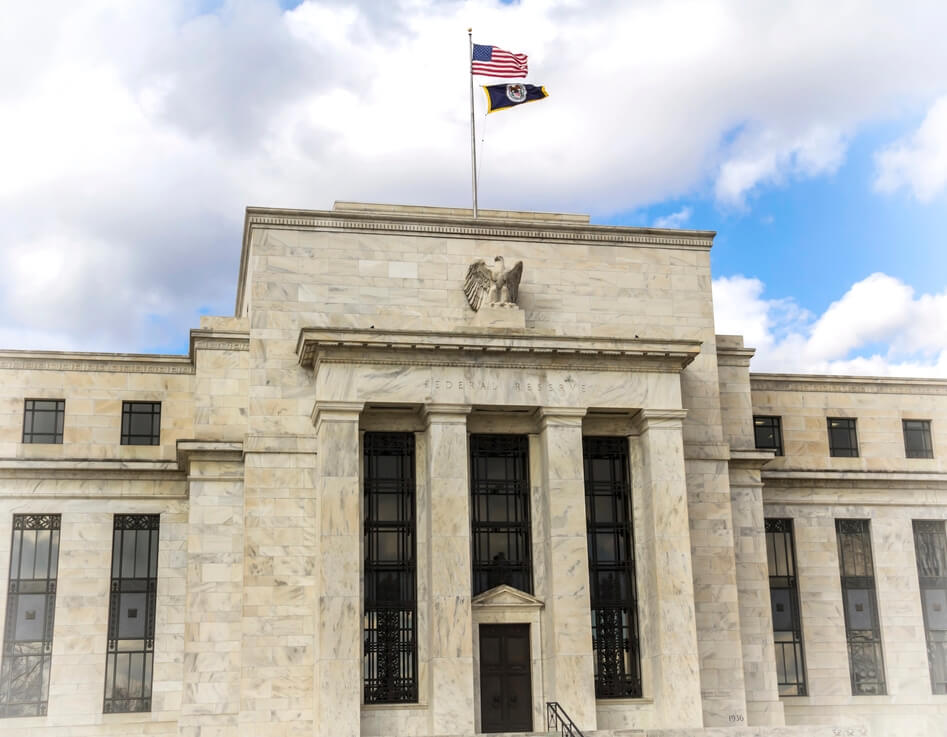
The Federal Reserve has raised interest rates for the first time since 2023, lifting its benchmark range by 25 basis points to 3.75%–4.00% and signalling that another increase could follow before year-end.
It was the event markets had spent weeks trying to price. Strong US jobs data, firmer core inflation and oil’s surge above US$100 had made a rate rise increasingly likely. The Fed delivered it unanimously, with 16 of 18 policymakers projecting at least one further increase this year.
The immediate reaction was mixed. US shares fell after Chair Kevin Warsh reinforced the inflation fight, but technology stocks recovered as oil retreated from its four-month high and longer-dated Treasury yields eased back from 5%.
That shift produced a more interesting market split than a simple “higher rates are bad for shares” story. Technology and AI infrastructure regained support, while US energy shares fell with crude. In Australia, banks and healthcare stocks led a rebound even as the ASX remained close to its two-month low and miners continued to weigh on the index.
For Australian traders, the new question is whether the Fed’s move has removed one source of uncertainty—or marks the beginning of a more sustained global tightening cycle.
The week in markets
| Market | Weekly Move / Signal | What Drove It |
|---|---|---|
| Fed funds rate | Raised to 3.75%–4.00% | First increase since 2023 as inflation remained above target |
| ASX 200 | Near a two-month low | Miners, oil volatility and rate concerns pressured index |
| Australian banks | Rebounded | Investors responded to sell-off & firmer rates outlook |
| Australian healthcare | Outperformed | CSL, Pro Medicus and Sonic Healthcare led recovery |
| Brent crude | Pulled back towards US$103 | Saudi supply workarounds eased disruption fears |
| US Tech 100 | Recovered after the Fed | Lower oil and easing long-term yields supported tech |
The Fed raised rates — and markets moved on quickly
The Fed’s rate increase was widely expected. Moreover, Warsh made clear that inflation remains the priority. The central bank expects one more increase this year and does not see rates falling in 2027 under its current projections.
That would normally be a difficult setup for technology shares. Higher interest rates reduce the present value investors place on future earnings, creating pressure on companies with high valuations and long-duration growth expectations.
Yet markets found some relief once the decision was out of the way.
Longer-dated US Treasury yields eased slightly, while Brent crude fell back after reports that Saudi Arabia could redirect additional oil cargoes through Oman. That combination helped technology shares recover, with Nvidia, Amazon, Alphabet and Meta among the large-cap names supported in subsequent trading.
It shows that markets had already priced a large part of the immediate risk. The next test is whether the Fed’s projected follow-up hike becomes more likely, particularly if oil stabilises above US$100 or inflation refuses to ease.
Oil has retreated, but the supply risk has moved beyond Hormuz
Brent fell towards US$103 after trading near US$110 earlier in the week. Saudi Arabia’s use of alternative shipping routes and efforts to restore its east-west pipeline eased immediate concern over a larger supply shortfall. That has taken some pressure out of the energy trade, and US energy shares fell as crude retreated.
However, the supply risk remains substantial. Only three commercial vessels were reported to have crossed the Strait of Hormuz on Wednesday, compared with 17 a day over the previous 10-day average. Traffic through the Bab el-Mandeb Strait has also fallen as the conflict around Yemen widens.
Oil therefore remains exposed to sharp moves in both directions:
Further attacks on tankers, pipelines or refineries could quickly revive the move towards US$110.
Evidence that alternative Saudi routes are working at scale could extend the pullback.
A sustained fall in oil would reduce inflation pressure and help the broader equity market.
A renewed surge would give the Fed and RBA another reason to maintain a restrictive stance.
The ASX rebound exposed a sharp rotation
The ASX did not simply follow Wall Street lower after the Fed decision. Banks and healthcare stocks led a recovery, while energy shares weakened alongside oil.
NAB, ANZ, Commonwealth Bank and Westpac all outperformed in the local rebound. Higher rates can support bank margins, though the longer-term benefit depends on whether borrowers remain resilient as mortgage costs rise.
Healthcare was another source of support. CSL, Pro Medicus and Sonic Healthcare gained as investors looked for companies less directly exposed to fuel costs, China demand and consumer spending.
The contrast with miners remains stark.
The Materials index has fallen about 9% month-to-date, while BHP has dropped from above A$68 in late August to below A$60. Fortescue has fallen from above A$18 to around A$16, and Rio Tinto has also retreated from late-August highs.
China remains central to that weakness. August retail-sales growth slowed to 0.4% year-on-year, while fixed-asset investment fell 7.2% over the first eight months of the year. The numbers have raised concern over construction activity and demand for iron ore, even as copper remains supported by data centres, electricity networks and electrification.
That leaves the ASX with a clear internal divide: banks and defensives have found buyers, while miners remain tied to a weaker China demand story and energy shares have become more volatile as oil changes direction.
AI spending is still running into real-world capacity constraints
The Fed’s rate rise has not changed the underlying demand for AI infrastructure.
Nebius, a cloud provider that rents Nvidia-powered computing capacity, has raised its pay-as-you-go prices again—its second increase in three months—as demand for AI computing continues to exceed available supply.
The price rise is a useful reminder that the AI trade is no longer just about chip sales. It is also about access to data centres, power, networking, memory and cloud capacity.
That supports the longer-term case for Australian infrastructure names exposed to data centres and electricity demand. It also explains why megacap technology shares could recover after the Fed decision: companies with large cash flows and established AI demand may be better placed to absorb higher financing costs than smaller speculative growth businesses.
The risk is that the gap between the biggest AI spenders and the rest of the market keeps widening. A higher-rate environment may reward companies that can fund data-centre expansion internally while pressuring those dependent on repeated capital raising.
Contracts for Difference (CFDs) allow traders to take a long view if lower oil and resilient AI demand support technology and bank shares, or a short view if renewed energy disruption pressures the ASX 200, miners and rate-sensitive sectors. Stop-loss, take-profit and pending orders can help define risk around central-bank comments, oil headlines and company announcements.
“Trade AU Stocks with an ASIC-regulated broker. Fast AUD funding via PayID. ”
Three markets to watch this week
US Tech 100: Can megacaps absorb another Fed hike?
The US Tech 100 recovered after the Fed decision as lower oil and easing long-term yields helped technology valuations. Nvidia, Amazon, Alphabet, Meta and Microsoft remain central to whether that recovery can extend.
The next move depends on the inflation outlook. Stable oil prices and softer yields could support the sector. A return to US$110 crude, or a sharp rise in expectations for another Fed hike, could pressure the most highly valued technology stocks again.
ASX 200: Is the market rotating away from miners?
The ASX remains close to a two-month low, but the bounce in banks and healthcare shares suggests investors are becoming more selective rather than abandoning Australian equities altogether.
China data, iron ore and copper will determine whether BHP, Rio and Fortescue can stabilise. Continued weakness would leave the index increasingly dependent on financials, healthcare and defensives to hold the market together.
Brent crude: Can Saudi supply changes ease the pressure?
Brent’s retreat towards US$103 has provided relief after the earlier move near US$110. Traders will now watch whether Saudi Arabia can maintain alternative supply routes and whether shipping conditions around Hormuz improve.
The oil market remains highly sensitive to headlines. Better flows could extend the retreat; another attack on shipping or regional infrastructure could rebuild the risk premium rapidly.
What is on the calendar?
The Fed has made its first move, but the market is still waiting to see whether higher rates become a sustained headwind or a manageable cost of controlling inflation. Oil, China demand and the ability of technology leaders to keep funding AI infrastructure will determine which answer wins.
Trade the markets that matter this week with Mitrade
The week showed how quickly market leadership can shift. Oil’s retreat pressured energy shares, banks and healthcare found support on the ASX, miners remained exposed to China concerns, and large technology companies recovered as rate uncertainty eased.
Mitrade gives traders access to global indices, commodities, forex and selected shares from one platform. CFDs can be used to take a long or short position depending on how the next catalyst develops, with stop-loss and take-profit orders available to help manage risk.
Start trading global markets in three simple steps
1. Why did technology shares recover after the Fed raised rates?
The rate rise was widely expected, and long-term Treasury yields eased after the decision. Lower oil prices also reduced immediate inflation pressure, helping investors return to large technology and AI-related shares.
2. Why are miners still weighing on the ASX?
BHP, Rio and Fortescue remain highly exposed to China’s industrial activity and iron-ore demand. Softer retail sales and falling fixed-asset investment have raised concern over construction and steel demand.
3. Why does oil still matter after Brent has fallen?
Brent remains above US$100 and shipping flows through Hormuz are still far below normal levels. A temporary supply workaround does not remove the risk of renewed disruption.
4. How can CFDs be used around rate, commodity and share-market volatility?
CFDs allow traders to take a long position if they expect a market to rise or a short position if they expect it to fall. Stop-loss, take-profit and pending orders can help manage risk around central-bank decisions, commodity-price moves and company news.
Disclaimer: The content presented above, whether from a third party or not, is considered as general advice only. CFD trading involves significant risk of loss. Past performance does not guarantee future results. This article serves informational purposes only and does not constitute financial advice. Consider your risk tolerance before trading.


