


Will Ethereum Ever Hit Its All-Time High Again? The Path Back to $4,950 And What’s Blocking It
TradingKey - Ethereum has been on a tear and is now trading above $1,900, but there is one thing that still looms over its head. Is there a chance for Ethereum to climb back up to $4,950? Etherium's price peaked at nearly $4,953 in a strong rally in August 2025.
Prices dropped to lows of $1,472 in April 2026, leaving many investors unsure about the next big move. There are some investors who believe that ETH is losing some momentum. Others believe this is just a normal pause in a long market cycle. While Ethereum powers thousands of decentralized apps and holds billions in real value, returning to record high prices requires more than hope.
Ethereum needs real institutional buying, high network activity, and favorable economic conditions. Here is a look at the exact forces that can push Ethereum back to $4,950, along with the tough obstacles standing right in the way.
The Catalyst Engine: Forces That Can Push ETH to $4,950
Ethereum has powerful growth drivers that keep its long-term bullish story alive. First, institutional money is moving in at scale. The approval and growth of spot Ethereum ETFs changed the market forever.
Wall Street giants like BlackRock now offer direct access to ETH for institutional funds. Corporate treasuries are also starting to hold ETH on their balance sheets. When big funds accumulate, they remove massive supply from liquid exchanges.
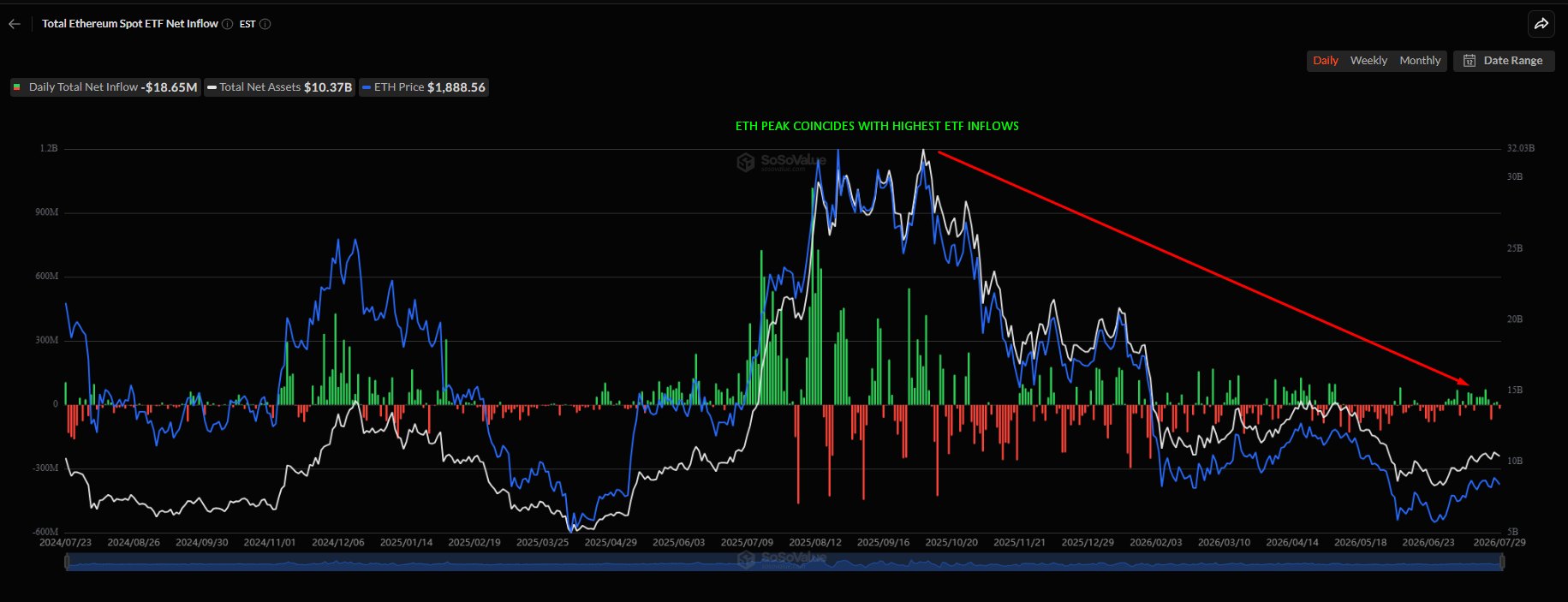
The ETH all-time high happened at the peak of ETH inflows. On-chain data continuously shows net exchange outflows, which points to strong long-term holding. And the drop in ETH price has been marked by the ongoing outflows, per data from SosoValue.
Second, technical upgrades keep improving the blockchain. The landmark Dencun upgrade introduced proto-danksharding through EIP-4844. This change slashed transaction costs on Layer 2 scaling networks like Base, Arbitrum, and Optimism.
Follow-up upgrades like Pectra continue to improve security and user experience. These technical updates keep Ethereum as the top choice for software developers worldwide.
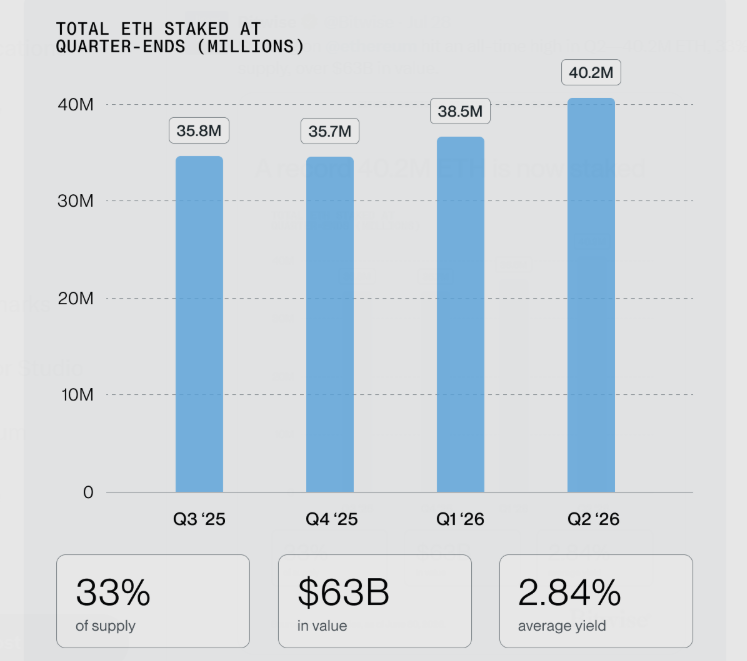
Third, staking creates supply scarcity. Tens of millions of ETH are currently locked up to secure the proof-of-stake consensus. Stakers earn yield instead of selling their coins. When you combine locked staking with institutional ETF buying, available sell liquidity on exchanges shrinks fast. Per Bitwise, 40.2M ETH, 33% of all ETH supply is now staked.
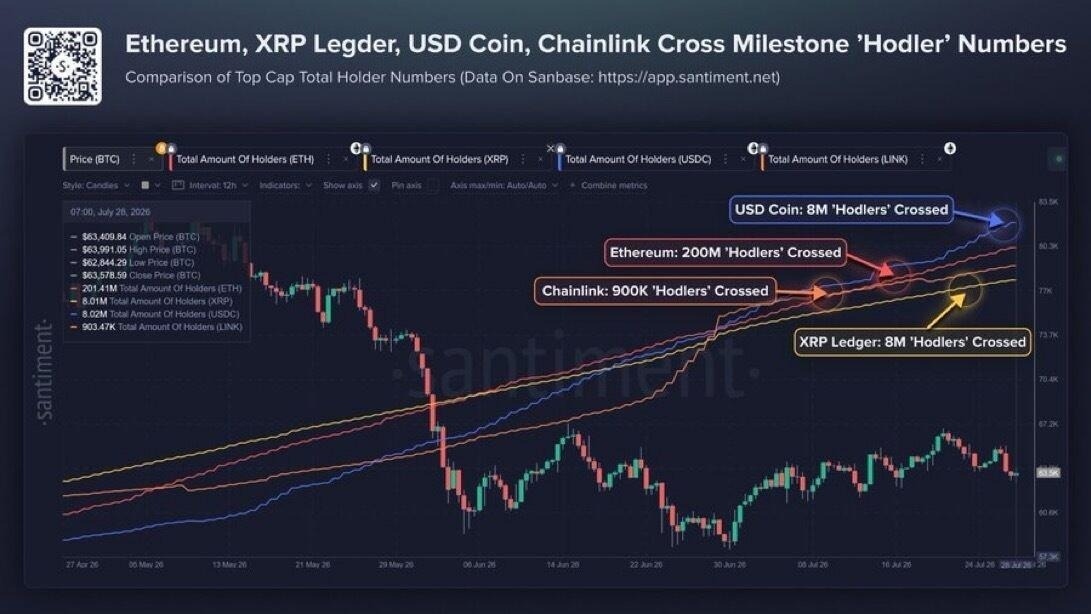
Additionally, Ethereum just crossed a massive milestone of 200 million+ non-empty wallets. While these figures show a sudden surge in market demand, institutional adoption remains the single most reliable foundation for Ethereum’s next major leg up.
What Is Blocking the Path?
Ethereum has solid fundamentals, but there are still significant obstacles that prevent it from rising further. The biggest problem is cannibalization of Layer 2. High gas fees for regular users were addressed with layer 2 networks, making it great for user adoption.
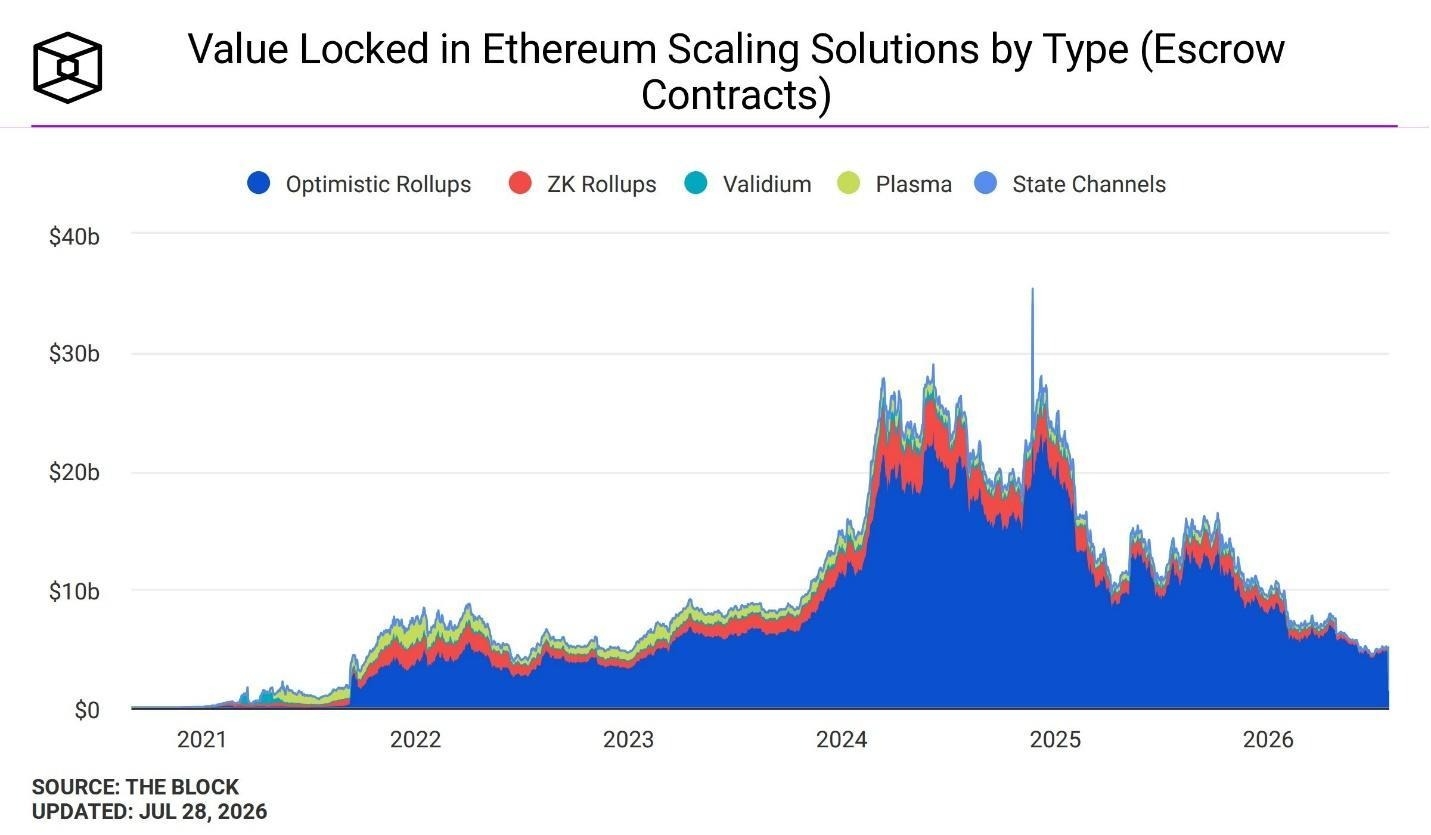
However, it created an economic tradeoff for the main Ethereum network. Because transactions moved off the main chain, Layer 1 gas fees dropped dramatically. Under Ethereum’s fee-burning mechanics (EIP-1559), lower gas fees mean less ETH gets burned.
As a result, the total token supply stops shrinking and can even become slightly inflationary. This weakens the “ultrasound money” narrative that previously drove massive speculative buying.
Another roadblock is fierce competition from rival blockchains. Fast alternative networks like Solana and Sui have captured a huge share of retail activity. These chains are popular among retail traders who conduct fast transactions, token launches, and transactions with low fees. Ethereum is still not fast enough nor cheap enough for mainstream everyday use.
Finally, macro-economic factors and geopolitical risks bear down on Ethereum. If the rate of interest is high, it benefits the investor to keep their money safe, like in bonds and cash. The current interest rate also puts pressure on Ethereum price.
Regulatory uncertainty continues to plague staking rewards, which makes some of the more traditional institutions hold back. According to experts, for the next ten years, Ethereum’s biggest challenge will be to strike a balance between the value of its mainnet and the growth of its Layer 2s.
The Reality Check: Can ETH Break $4,950?
Reaching $4,950 is not an impossible dream for Ethereum. Market history shows that crypto cycles move in powerful waves. To break past its peak and clear the psychological $5,000 barrier, Ethereum needs a few key factors to align:
- Mainnet Fee Recovery: Mainnet fees need to rebound through heavier decentralized finance (DeFi) activity.
- Sustained ETF Inflows: Institutional ETF buying must stay consistent over multiple quarters.
- Macroeconomic Relief: An ease of the Iran v. U.S. conflict and global interest rate cuts would help restore investor appetite for growth assets.
Analyst research shows that Ethereum’s chart patterns often build long consolidation bases before breaking into new highs. Moreover, the real network performance metrics on MetaMask suggest that despite recent changes, Ethereum remains the most popular choice for developers and the largest share of the web3 value locked on the network.
Ethereum might not experience a sudden surge in growth. The road back to $4,950 is probably going to be a sharp downtrend and grinding uptrend. But with the general improvement of the institutional infrastructure and network upgrades coming down the pipeline, the core argument that Ethereum is still the all-time leader is as strong as ever.
Recommended Articles


