


WTI Futures (USOIL-F) Is down 8.10% on Aug 3: What Changed in Supply and Demand?
WTI Futures (USOIL-F) is down 8.10% at Aug 3 00:05(ET), now at $79.72, with a 7-day down of 2.60%.
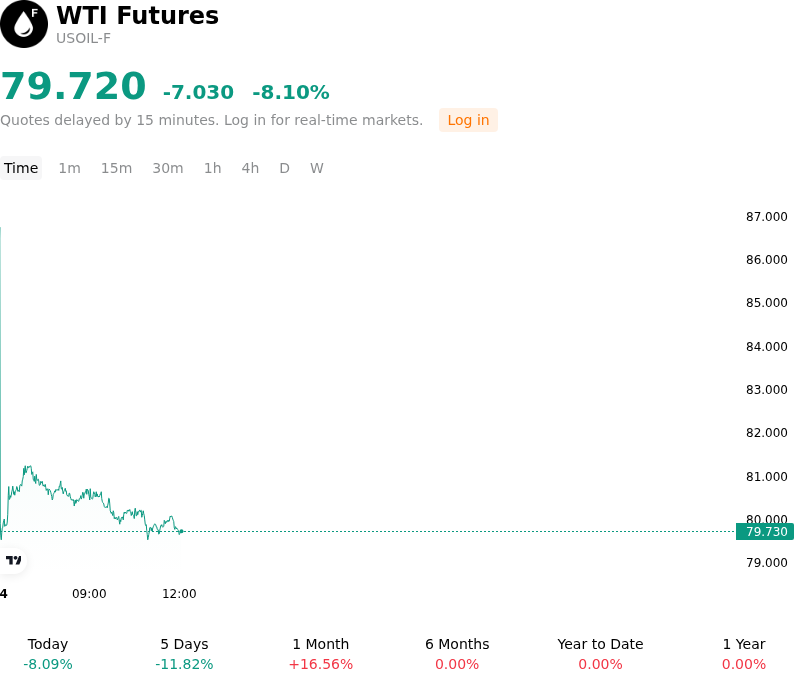
What is driving WTI Futures (USOIL-F)’s stock price down today?
The sharp downward pressure on WTI crude oil prices is primarily driven by a significant shift in OPEC+ production strategy, signaling a transition from price support to market share preservation. Reports indicating that key member states are preparing to unwind voluntary production cuts earlier than the market anticipated have fundamentally altered the global supply balance outlook. This pivot suggests that the group is less willing to continue absorbing the impact of expanding non-OPEC supply, particularly from the United States and Guyana, leading to institutional fears of a looming surplus in the coming quarters.
Simultaneously, demand-side concerns have intensified following a series of disappointing manufacturing reports from both the United States and China. The latest Purchasing Managers Index data suggests a deeper than expected contraction in industrial activity, which has forced analysts to downwardly revise global oil demand growth forecasts for the remainder of the year. The confluence of rising supply expectations and deteriorating consumption trends has triggered a heavy liquidation of net-long positions, exacerbated by systematic trend-following strategies that have accelerated the sell-off as key technical support levels were breached.
The macroeconomic environment has further weighed on energy prices as the US dollar strengthened against a basket of major currencies. Hawkish commentary from central bank officials, suggesting that interest rates may remain restrictive for longer to combat stubborn underlying inflation, has dampened risk sentiment across the commodity complex. Higher borrowing costs continue to act as a headwind for energy-intensive sectors, reinforcing the market's bearish consensus on the short-term demand trajectory.
From an inventory perspective, data indicating a larger than expected build in commercial crude stocks has removed the floor for prices. With refinery utilization rates showing signs of a seasonal slowdown and storage levels remaining robust, the physical market is signaling immediate oversupply. Investors remain focused on whether this price correction will force a formal response from oil-producing nations to stabilize the market or if the current momentum reflects a broader structural shift toward a lower-price environment driven by weakening global economic fundamentals.
Technical Analysis of WTI Futures (USOIL-F)
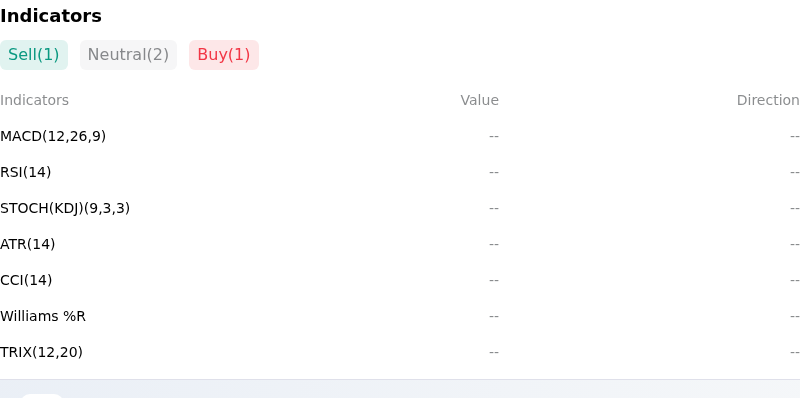
Technically, WTI Futures (USOIL-F) shows a MACD (12,26,9) value of 1.308, indicating a buy signal. The RSI at 46.936 suggests neutral condition and the Williams %R at 87.078 suggests oversold condition. Please monitor closely.
More details about WTI Futures (USOIL-F)
Recent Events and Risks:
- Hawkish Monetary Policy Stance: Recent Federal Reserve meeting minutes and official commentary have signaled a "higher-for-longer" interest rate environment, which has strengthened the US Dollar and dampened the outlook for global energy demand by raising borrowing costs and slowing industrial activity.
- Unexpected Inventory Accumulation: The latest weekly reports indicated a surprise build in US commercial crude inventories and a rise in gasoline stocks, contradicting seasonal expectations for draws ahead of the summer driving season and suggesting a temporary softening in domestic consumption.
- Deteriorating Refinery Margins: Narrowing crack spreads and lackluster gasoline demand data have sparked concerns that US refineries may scale back throughput, potentially leading to an increase in available spot crude supply and creating downward pressure on WTI futures.
- Technical Positioning Unwind: WTI recently breached key psychological support levels, triggering systematic selling and the liquidation of long positions by managed money, which has accelerated intraday volatility and downside momentum as traders adjust to a perceived shift in market structure.
Recommended Articles


