


WTI Futures (USOIL-F) Is up 4.58% on Jul 29: Why It Happened
WTI Futures (USOIL-F) is up 4.58% at Jul 29 00:00(ET), now at $82.66, with a 7-day down of 4.35%.
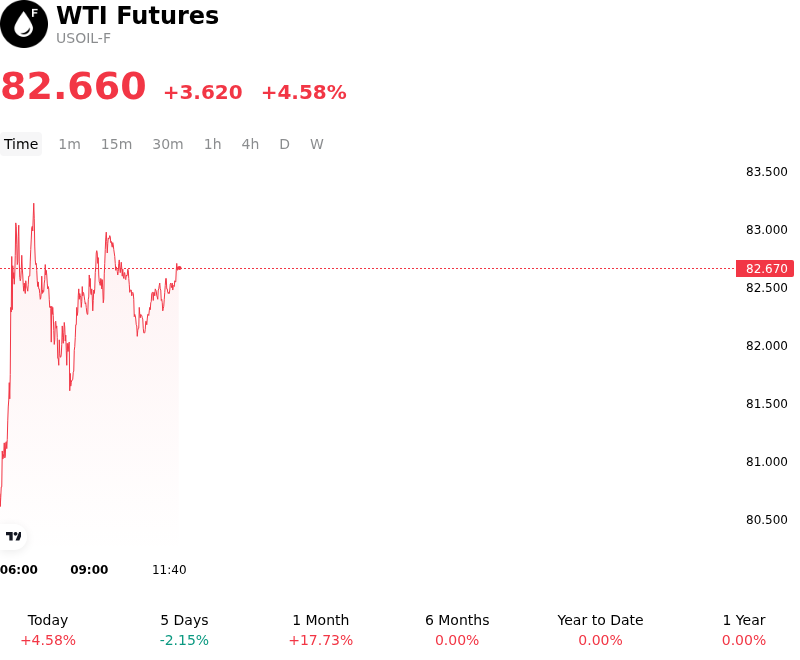
What is driving WTI Futures (USOIL-F)’s stock price up today?
The primary catalyst for the significant advance in crude oil was the abrupt re-escalation of geopolitical hostilities in the Middle East, which effectively re-introduced a substantial risk premium that had briefly dissipated. Reports of a direct military confrontation between U.S. forces and Iranian-aligned groups, including the interception of a surprise attack and subsequent retaliatory strikes, shifted market sentiment back toward supply-side alarm. This followed a volatile period where hopes for a diplomatic breakthrough had initially pressured prices, only to be replaced by renewed fears of direct threats to regional energy infrastructure.
Supply-side concerns were further intensified by specific attacks on Saudi Arabian petroleum facilities. The interception of drones targeting oil assets in the Eastern Province and Riyadh regions, coupled with the ongoing shutdown of the 400,000 barrel-per-day Jazan refinery following earlier Houthi activity, highlighted the vulnerability of global supply chains. The continued bottleneck in the Strait of Hormuz, where transit remains severely restricted due to regional security risks, has forced a structural repricing of the global seaborne crude balance as traders account for the increasing likelihood of prolonged disruptions to roughly one-fifth of global oil supply.
Fundamental support was reinforced by a significant tightening in the U.S. domestic inventory outlook. Preliminary industry data indicated a substantial draw of over 3 million barrels in commercial crude stockpiles, setting a bullish tone ahead of the official Energy Information Administration report. With national inventories already trending well below the seasonal five-year average, the unexpected pace of the drawdown during the peak summer demand season suggests a market balance that is tighter than previously modeled, increasing the market's sensitivity to any further supply shocks.
Institutional positioning was also influenced by shifts in policy expectations from both OPEC+ and the Federal Reserve. Market intelligence suggesting that the producer group might delay its scheduled output increases for the fourth quarter provided a supportive floor for future pricing expectations. Simultaneously, the broader macro environment remained focused on the Federal Reserve’s interest rate decision, where any signals of a shift in monetary policy were viewed as a potential tailwind for global demand and a factor that could influence U.S. dollar movements, which typically trade inversely to the energy complex.
This intraday volatility reflects a market characterized by high sensitivity to event-driven news in a structurally undersupplied environment. While the immediate price action was triggered by military developments, the persistence of below-average inventory levels and the slow recovery of maritime shipping capacity through critical chokepoints suggest that the upward pressure reflects a broader structural trend. Investors continue to monitor the potential for further escalation in the Gulf, as any sustained disruption to export infrastructure could necessitate a more aggressive repricing of the global energy complex.
Technical Analysis of WTI Futures (USOIL-F)
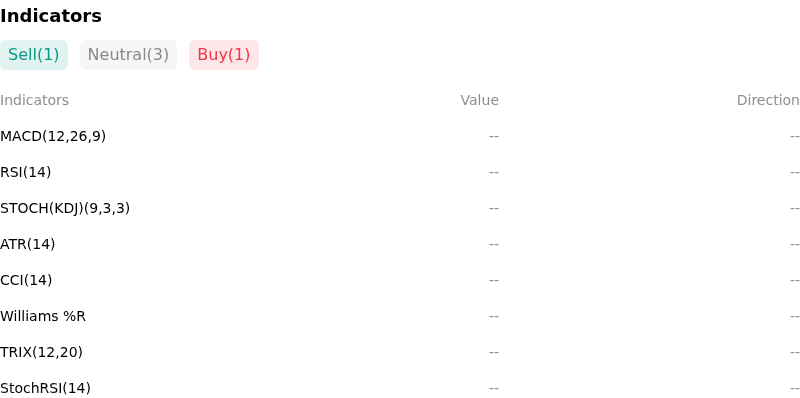
Technically, WTI Futures (USOIL-F) shows a MACD (12,26,9) value of 4.104, indicating a buy signal. The RSI at 51.453 suggests neutral condition and the Williams %R at 47.491 suggests neutral condition. Please monitor closely.
More details about WTI Futures (USOIL-F)
Recent Events and Risks:
- China Economic Demand Concerns: Recent data indicating a slowdown in Chinese refinery throughput and persistent weakness in manufacturing activity post-Plenum have intensified fears of structural demand destruction in the world's largest crude importer.
- Geopolitical Risk Premium Erosion: Renewed diplomatic efforts and reports of progress toward a ceasefire in the Middle East have significantly reduced the "fear premium" in crude pricing, leading to a sharp liquidation of speculative long positions.
- Macroeconomic Risk-Off Sentiment: A broader sell-off in global equity markets and heightened volatility in currency markets have triggered a flight to safety, pressuring dollar-denominated commodities like WTI as investors reduce exposure to cyclical assets.
- Technical Support Breach: WTI futures have broken through key psychological and technical levels, including the 200-day moving average, which has accelerated downside momentum through systematic trend-following sell programs and stop-loss triggers.
Recommended Articles


