


Medtronic PLC Stock (MDT) Closed Down by 3.30% on Jun 30: Key Drivers Unveiled
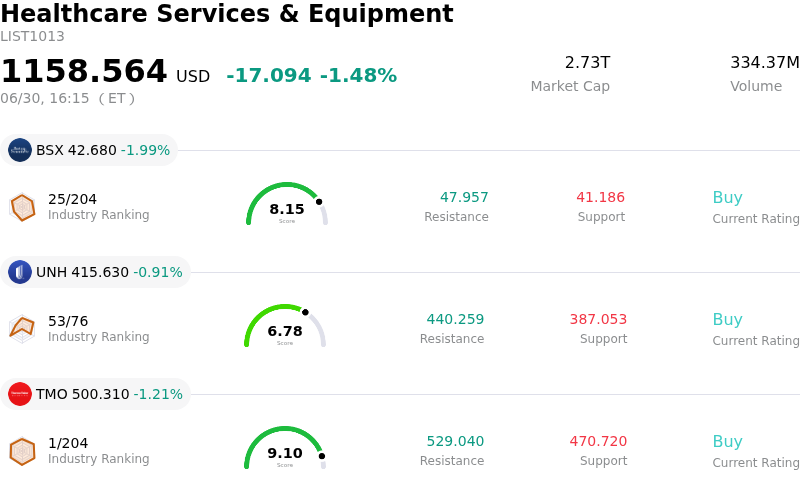
Medtronic PLC (MDT) closed down by 3.30%. The Healthcare Services & Equipment sector is down by 1.48%. The company underperformed the industry. Top 3 stocks by turnover in the sector: Boston Scientific Corp (BSX) down 1.99%; Unitedhealth Group Inc (UNH) down 0.91%; Thermo Fisher Scientific Inc (TMO) down 1.21%.
What is driving Medtronic PLC (MDT)’s stock price down today?
On the final trading day of June, the downward movement and elevated intraday volatility in Medtronic's shares were primarily driven by a broader capital rotation out of defensive sectors and back into growth-oriented areas of the market. Following a brief period where investors sought shelter in healthcare and consumer staples, a stabilizing global geopolitical environment and a rebound in technology and semiconductor equities prompted institutional managers to trim their defensive allocations. As a leading heavyweight in the healthcare technology and medical device space, Medtronic experienced institutional outflow pressures as capital reallocated toward higher-beta sectors.
This sector-wide pressure compounded the lingering market skepticism surrounding Medtronic’s long-term growth trajectory following its recent earnings report. Although the company delivered strong fiscal fourth-quarter results that beat top-line expectations, its forward-looking guidance for fiscal year 2027 fell short of the consensus estimate, prompting several analysts to trim their target prices. Furthermore, research updates during the month scaled back growth projections for the company's highly anticipated Symplicity Spyral Renal Denervation System, revising its expected annual revenue growth contribution downward. Investors remain cautious about persistent operational headwinds, including margin compression from recent legal payments and ongoing tariff pressures, which offset the optimism surrounding the company's product pipeline and surgical robotics expansion.
Additionally, the recent completion of the annual FTSE Russell index reconstitution contributed heavily to the stock's trading volatility. As index-tracking and passive funds executed large-scale portfolio adjustments to align with the newly reconstituted benchmarks, heavy trading volumes and volatile price swings swept through large-cap medical device companies. The technical sell pressure was further aggravated by index funds adjusting their weights, creating a supply-demand imbalance that worked against Medtronic in the immediate term.
Lastly, technical factors and macroeconomic indicators added to the stock's downward momentum. Medtronic recently traded ex-dividend for its newly raised quarterly payout, which traditionally triggers a downward adjustment in the stock price as the dividend value is carved out. This post-dividend correction occurred alongside bearish technical indicators, such as a negative divergence in its moving average convergence divergence, signaling short-term weakness to quant-driven traders. Meanwhile, hot inflation data from the personal consumption expenditures price index kept interest rate worries alive, raising the cost of capital for dividend-paying, mature healthcare companies and adding another layer of resistance for Medtronic.
Technical Analysis of Medtronic PLC (MDT)
Technically, Medtronic PLC (MDT) shows a MACD (12,26,9) value of 0.378, indicating a buy signal. The RSI at 54.824 suggests neutral condition and the Williams %R at 31.893 suggests buy condition. Please monitor closely.
Media Coverage of Medtronic PLC (MDT)
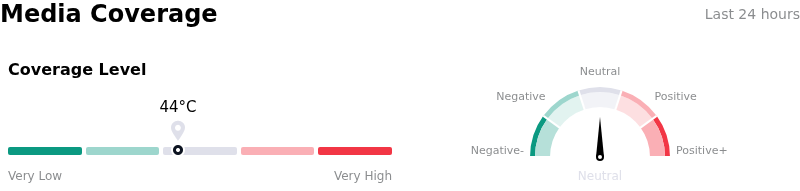
In terms of media coverage, Medtronic PLC (MDT) shows a coverage score of 44, indicating a moderate level of media attention. The overall market sentiment index is currently in neutral zone.
Fundamental Analysis of Medtronic PLC (MDT)
Medtronic PLC (MDT) is in the Healthcare Services & Equipment industry. Its latest annual revenue is $36.36B, ranking 4 in the industry. The net profit is $4.80B, ranking 3 in the industry. Company Profile
Over the past month, multiple analysts have rated the company as Buy, with an average price target of $97.91, a high of $121.00, and a low of $78.00.
More details about Medtronic PLC (MDT)
Company Specific Risks:
- Substantial Tariff Headwinds Threatening Margins: CEO Geoffrey Martha disclosed that tariff costs are projected to impose a meaningful $250 million headwind in Fiscal 2027. These persistent international trade costs, combined with a high debt load from its acquisition-heavy growth strategy, threaten to compress operating margins and limit free cash flow expansion.
- Persistent Quality Control Failures and Regulatory Recalls: The company continues to face costly regulatory setbacks, including a Class II FDA recall affecting over 18,000 DLP and Gundry retrograde cannulae due to sterile barrier breaches. This is compounded by ongoing individual state and federal lawsuits alleging design defects and battery failures in its spinal cord stimulator systems, maintaining high litigation and compliance exposure.
- Intense Competitive Pressure and Reimbursement Headwinds: Medtronic's expansion into high-growth sectors, particularly surgical robotics with its Hugo system, is facing severe market share resistance from Intuitive Surgical's entrenched da Vinci platform. Systemic challenges, such as Medicare reimbursement constraints and pricing pressures, further threaten to limit the commercial viability and margin potential of its pipeline.
- Aggressive Bearish Options Activity and Analyst Skepticism: Elevated intraday volatility is being driven by a heavy volume of put options buying (exceeding 25,000 contracts), signaling a bearish shift in market sentiment. This negative momentum aligns with cautious sell-side analyst sentiment, with a significant portion of Wall Street institutions maintaining "Sell" or "Strong Sell" consensus ratings due to short-term earnings uncertainties.
Recommended Articles


