


Oracle Corp Stock (ORCL) Moved Down by 3.86% on Jun 24: Drivers Behind the Movement
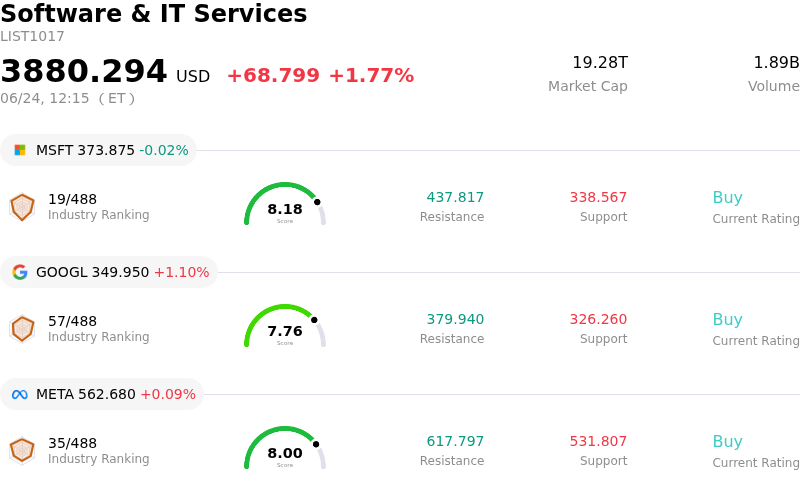
Oracle Corp (ORCL) moved down by 3.86%. The Software & IT Services sector is up by 1.77%. The company underperformed the industry. Top 3 stocks by turnover in the sector: Microsoft Corp (MSFT) down 0.02%; Alphabet Inc Class A (GOOGL) up 1.10%; Meta Platforms Inc (META) up 0.09%.
What is driving Oracle Corp (ORCL)’s stock price down today?
Oracle has recently experienced notable downward pressure and intraday volatility as market participants process a confluence of structural changes and heavy financial commitments disclosed in the company’s recent regulatory filings. Despite a strong underlying backlog and an earnings beat in its latest quarterly report, investors are increasingly shifting their focus from potential future revenues to immediate operational and capital strains. This shift in sentiment has pulled the stock lower as the market digests the significant costs of the company's aggressive pivot toward artificial intelligence.
A primary catalyst for the negative sentiment is the revelation in Oracle's latest annual filing of a massive workforce reduction. The company disclosed that it eliminated approximately 21,000 jobs, or roughly 13 percent of its global workforce, during fiscal year 2026. While the restructuring is framed as an effort to streamline operations and reallocate resources toward automation and AI-driven services, the immediate financial toll has been severe. Oracle recorded $1.84 billion in severance payments and related exit costs for the fiscal year, a stark increase compared to the previous year, highlighting the substantial upfront friction of this organizational transition.
In addition to personnel restructuring, the scale of Oracle's capital expenditure program is causing significant anxiety. The company's capital spending surged to nearly $56 billion in fiscal 2026 and is projected to escalate to between $90 billion and $95 billion in fiscal 2027 to build out its cloud infrastructure. This aggressive spending resulted in a negative free cash flow of $23.7 billion for fiscal 2026. To fund this massive expansion, Oracle has carried nearly $130 billion in debt and plans to raise another $20 billion through equity-linked financing in the upcoming quarters. Investors are increasingly questioning whether the return on these capital investments will materialize rapidly enough to justify such high leverage.
These internal pressures are compounded by broader macroeconomic and industry-wide skepticism regarding the sustainability of the AI investment cycle. Fears are rising that massive capital outlays by major enterprise software firms may not yield immediate productivity gains or subscription growth. Adding to these worries are reports of potential friction in major client partnerships, such as concerns over Microsoft allegedly pulling back on a massive cloud deal with Oracle due to compliance and security issues. Consequently, even though Oracle boasts a record remaining performance obligation of $638 billion, Wall Street is currently prioritizing immediate balance sheet risks and heavy capital requirements over long-term contracted demand.
Technical Analysis of Oracle Corp (ORCL)
Technically, Oracle Corp (ORCL) shows a MACD (12,26,9) value of -11.724, indicating a neutral signal. The RSI at 35.175 suggests neutral condition and the Williams %R at 99.275 suggests oversold condition. Please monitor closely.
Media Coverage of Oracle Corp (ORCL)
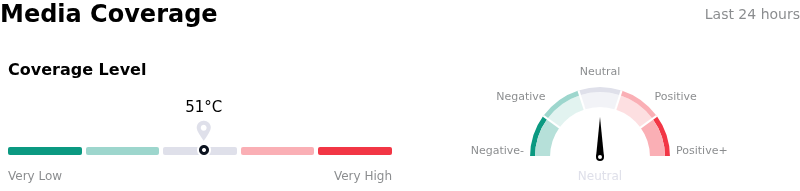
In terms of media coverage, Oracle Corp (ORCL) shows a coverage score of 51, indicating a moderate level of media attention. The overall market sentiment index is currently in neutral zone.
Fundamental Analysis of Oracle Corp (ORCL)
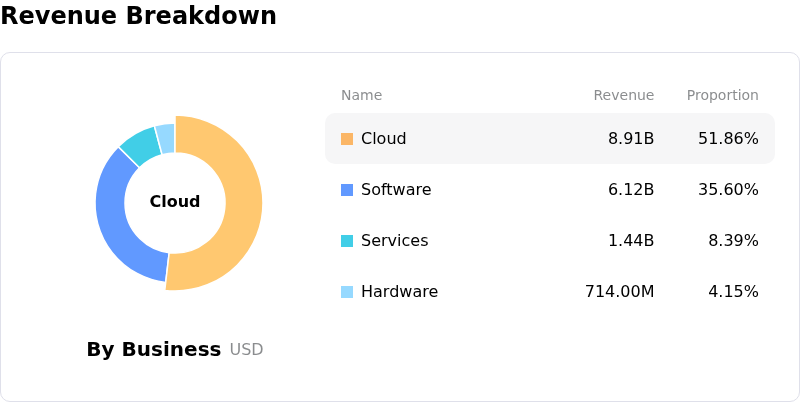
Oracle Corp (ORCL) is in the Software & IT Services industry. Its latest annual revenue is $67.36B, ranking 8 in the industry. The net profit is $16.98B, ranking 6 in the industry. Company Profile
Over the past month, multiple analysts have rated the company as Buy, with an average price target of $256.48, a high of $400.00, and a low of $155.00.
More details about Oracle Corp (ORCL)
Company Specific Risks:
- Severe Free Cash Flow Deficit and Skyrocketing Capital Expenditures: In its fiscal 2026 Form 10-K filed on June 22, 2026, Oracle disclosed that capital expenditures surged to $55.7 billion (up from $21.2 billion), driving its annual free cash flow to a deeply negative $23.7 billion. With capital spending in fiscal 2027 projected to scale up to $95 billion, investors are highly concerned about unsustainable cash burn if AI-driven cloud demand fails to deliver immediate, high-margin returns.
- Shareholder Dilution from New $20 Billion Equity Offering: On June 23, 2026, Oracle filed a prospectus supplement to authorize an equity distribution program for selling up to $20 billion of common stock in at-the-market offerings. Executing this massive equity-linked financing program to fund its infrastructure expansion presents an immediate risk of significant share dilution for existing equity holders.
- Massive Restructuring Costs and Operational Disruption: Oracle's latest annual filing revealed a massive workforce reduction of approximately 21,000 employees in fiscal 2026, representing roughly 13% of its global headcount. This restructuring incurred $1.84 billion in severance and restructuring expenses and has raised concerns over near-term execution risks, loss of key talent, and potential operational disruptions.
- Extreme Financial Leverage and Escalating Debt Burden: The aggressive build-out of Oracle Cloud Infrastructure has pushed the company's total liabilities to $218.7 billion, backed by nearly $130 billion in debt. To support this ongoing capital expansion, Oracle plans to raise an additional $40 billion through debt and equity in fiscal 2027, severely pressuring its balance sheet and escalating debt service obligations.
Recommended Articles


