



 Trending Articles
- Gold Price Forecast: PCE Data Weakens Fed Rate Hike Expectations, Can Gold Price Hold Steady at $4,000?
- Iran insists on control of Hormuz amid reports of US talks
- Gold Price Forecast: Gold Price Falls Below $4,000, PCE Data May Push Gold Down to $3,900
- June Non-Farm Payrolls Preview: Did White House Economic Advisor Give an Early Hint? How Will US Stocks, Dollar and Gold React?
- Crypto market sheds over 50% of its value amid Bitcoin's brief decline below $60K
- Australian Dollar edges lower to near 0.6900 on Fed hike bets
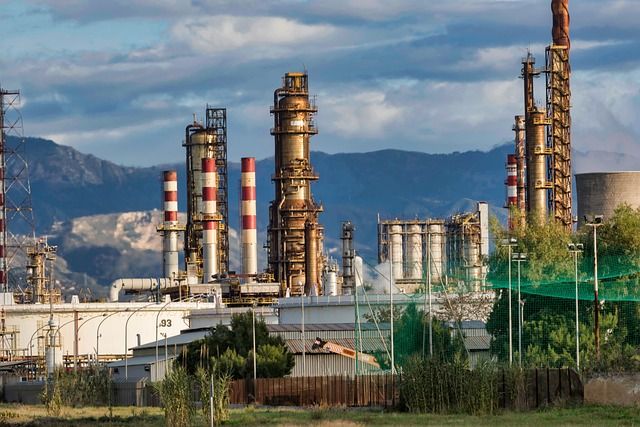
WTI declines as Strait of Hormuz shipping recovers and US-Iran diplomatic talks show notable progress.
US officials report oil flows exceeded 10 million barrels daily, restoring the vital corridor and reassuring global energy markets.
Tehran insists on administrative control over the Strait of Hormuz, a territorial stance posing potential friction for future maritime negotiations.
West Texas Intermediate (WTI) oil price loses ground for the third successive day, trading around $67.80 per barrel during the Asian hours on Thursday. The global energy market experiences a sharp downturn, with crude oil benchmarks sliding significantly as supply anxieties ease. This price decline is primarily driven by a rapid recovery in maritime traffic through the Strait of Hormuz, alongside notable breakthroughs in indirect diplomatic talks between Washington and Tehran. Investors have welcomed these signs of progress, pivoting away from previous fears of a prolonged supply crunch as stability returns to one of the world's most critical energy chokepoints.
A major catalyst for the falling oil prices is the substantial surge in oil shipments navigating the strategic waterway. Bolstered by coordinated naval and air protection from the American military, commercial shipping traffic has safely resumed high-volume operations. According to US officials, crude oil flows through the corridor have now comfortably exceeded 10 million barrels per day, effectively restoring a vital artery for global energy distribution and reassuring nervous energy markets.
Regional exporters have quickly adapted to the changing geopolitical landscape to maximize their output. The United Arab Emirates (UAE) has successfully brought its oil exports back to pre-conflict levels by utilizing effective operational workarounds and alternative routing. Simultaneously, following the lifting of a US naval blockade, Iranian oil exports have witnessed a massive spike, jumping above 40 million barrels in a remarkably short window. When combined with record-breaking seaborne shipments from Russia, these compounding factors have led to a significant buildup in global floating inventories, putting further downward pressure on crude prices.
On the diplomatic front, optimism continues to grow as international mediators work to cement a more permanent resolution. US President Donald Trump publicly praised the constructive trajectory of the ongoing negotiations, while Qatari officials announced that the next round of indirect talks would be convened as soon as possible to maintain momentum.
However, a full resolution faces lingering hurdles; Tehran continues to strictly insist on retaining maritime administrative control over the Strait of Hormuz. While this territorial stance remains a potential friction point for future negotiations, the current influx of daily oil shipments and mounting global inventories have successfully steered the immediate market narrative toward a surplus.
Read more
* The content presented above, whether from a third party or not, is considered as general advice only. This article should not be construed as containing investment advice, investment recommendations, an offer of or solicitation for any transactions in financial instruments.


