




Ethereum Staking Hits Record Levels As Buterin Urges Builders To Deliver Real Apps
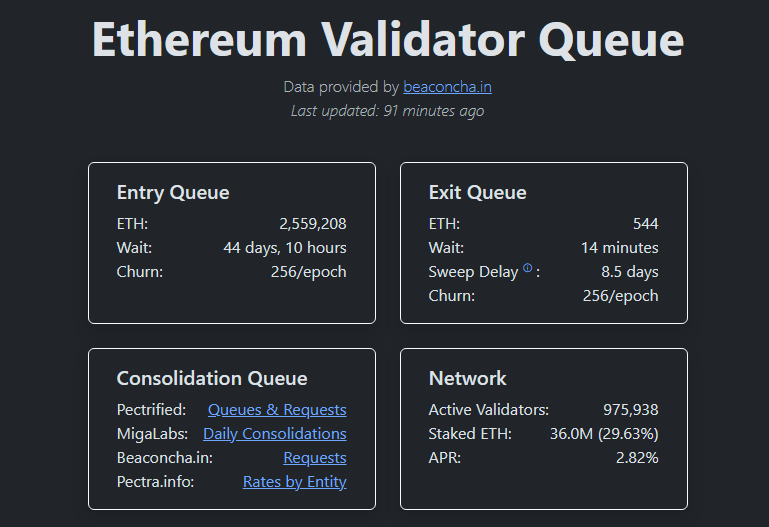
According to ValidatorQueue data, staked Ethereum has climbed to close to 36 million, equal to nearly 30% of the circulating supply. That figure now represents more than $119 billion at current prices.
Staking rose from 35.5 million to almost 36 million since early January, even though ETH has fallen more than 30% since August.
The unstaking queue is zero, while the staking queue topped 2.5 million ETH — its highest level since August 2023. Based on reports, those moves point to strong long-term bets on the network.
Ethereum Staking Shows Strong Conviction
Institutional interest helped push the numbers higher. Publicly listed Digital Asset Treasuries and big staking services are said to be among the active participants.
Some of the latest increases came during a stretch that had been mostly flat since last August. Market watchers say that rising stakes add to the protocol’s security profile, and the large queue suggests demand for on-chain commitments remains high even with price weakness.
Buterin Says Infrastructure Is Ready
Meanwhile, reports have disclosed that Ethereum’s founder, Vitalik Buterin, has urged builders to stop experimenting only in theory and start shipping real products.
He has argued that the technical pieces are finally functional: the chain runs on proof of stake, transaction costs are lower, and scaling through ZK-EVMs and Layer 2s is working.
Messaging that began with Whisper has been adapted into Waku, and apps such as Status and Railway were cited as examples that already use these systems.
In 2014, there was a vision: you can have permissionless, decentralized applications that could support finance, social media, ride sharing, governing organizations, crowdfunding, potentially create an entire alternative web, all on the backs of a suite of technologies.… pic.twitter.com/ihU9qOrXfG
— vitalik.eth (@VitalikButerin) January 14, 2026
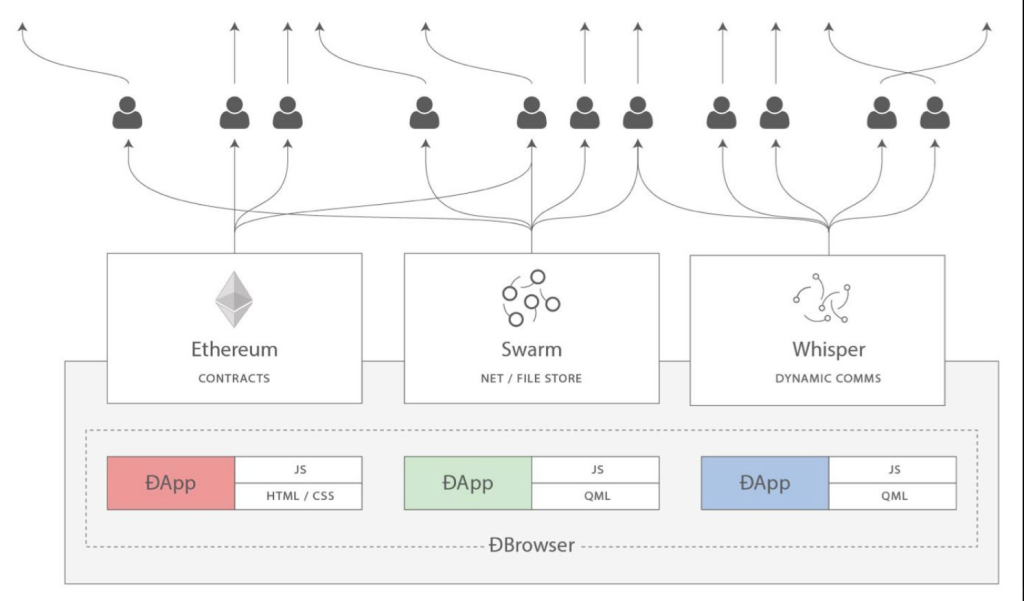
He used the term “walkaway test” to describe a simple check: if a decentralized app’s operator disappears, can the data and functionality remain available to users? Fileverse, a decentralized document editor, was pointed to as a case where documents would survive even if the team behind it vanished.
Builders Urged To Ship Practical AppsButerin also criticized the trend toward overly centralized consumer devices and services that lock users into accounts and subscriptions. He warned against appliances that require registration and that may collect data on routine tasks.
He contrasted those products with tools that a person truly owns and controls. The message was clear: now that infrastructure is in place, developers should focus on practical software people will actually use, not just experiments that live on testnets.
What This Means Going ForwardThe split between the technical optimism and the market reality is visible. On one side, nearly 36 million ETH staked and a swollen staking queue show investor conviction in the protocol’s future.
On the other, price pressure since August has been real and is still being felt. Reports emphasize that the climb in staked ETH strengthens the network’s security, but the call to build usable, user-friendly apps remains loud.
If developers respond by shipping useful products that meet everyday needs, the combination of a secure chain and working applications could push broader adoption.
For now, the numbers and the rhetoric are both sending a clear signal: the ingredients exist, and attention is shifting toward turning them into tools people rely on.
Featured image from Unsplash, chart from TradingView
Recommended Articles


