


USD/JPY holds positive ground above 158.00 amid Japan's political concerns

 Trending Articles
- Today’s Market Recap: US and Iran Signal Willingness to End Conflict, Three Major US Stock Indexes Surge, Dollar Ends Five-Day Winning Streak
- Trump Withdrawal Intent Reshapes Liquidity, Bitcoin Breaks $68,000 Mark
- Gold Price Forecast: XAU/USD opens lower around $4,450 on fears of widening Iran conflicts
- USD/JPY Hits 160.00 Mark, Will Japanese Government Intervene? Will the Currency’s Rally Be Contained?
- Seesaw Effect Continues. US Pre-Market Three Major Index Futures Weaken, Oil Prices Rise, Bitcoin Drops Below 68,000 Mark
- Brent: Forecast lifted with $150 risk – Societe Generale
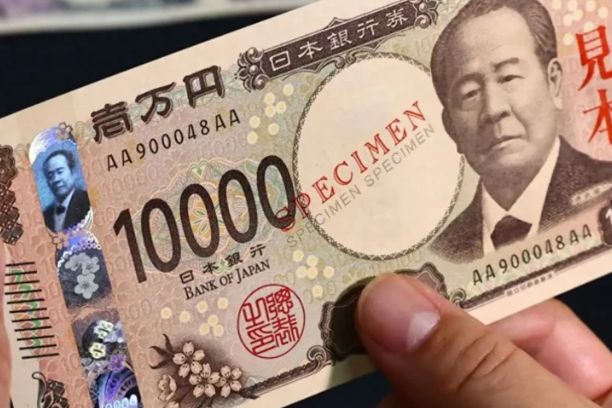
USD/JPY strengthens to around 158.10 in Tuesday’s early Asian session.
Reports that Japan's Prime Minister may call an early general election weigh on the Japanese Yen.
Fed’s Powell accused the government of using the legal system against the US central bank.
The USD/JPY pair trades in positive territory near 158.10 during the early Asian session on Tuesday. The Japanese Yen (JPY) softens against the US Dollar (USD) amid political concerns in Japan. Traders will closely monitor the release of the US Consumer Price Index (CPI) inflation data for December, which is due later on Tuesday.
Reuters reported on Sunday that Japan’s Prime Minister Sanae Takaichi may call an early general election, and it could be held as early as February. This would be the first time for the conservative Takaichi to face the voters, giving her an opportunity to capitalize on the strong public approval ratings she has enjoyed since taking office in October. Concerns about political uncertainty in Japan might undermine the JPY and create a tailwind for the pair in the near term.
On the other hand, renewed questions about the Federal Reserve (Fed) independence could drag the Greenback lower. Fed Chair Jerome Powell said that the administration had threatened him with a criminal indictment related to the central bank headquarters renovation. Powell called the threats a "pretext" aimed at putting pressure on the Fed to cut interest rates. Fitch Ratings said on Monday it views the US central bank's independence as a key supporting factor for its AA+ U.S. sovereign rating.
"This open warfare between the Fed and the U.S. administration ... it's clearly not a good look for the U.S. dollar," said Ray Attrill, National Australia Bank's head of currency strategy.
Read more
* The content presented above, whether from a third party or not, is considered as general advice only. This article should not be construed as containing investment advice, investment recommendations, an offer of or solicitation for any transactions in financial instruments.


