


U.S.-Iran Standoff Suddenly Escalates Over Weekend, Crude Jumps 8% at Monday Open

 Trending Articles
- US-Iran Agreement Brought Forward: Pakistani Prime Minister Confirms US-Iran Agreement Has Taken Effect Immediately, Strait of Hormuz Will Reopen Immediately
- Bitcoin network activity hits new high despite stalled prices — CryptoQuant
- WTI Price Forecast: Trades above $75.50 on Iran uncertainty; 200-day SMA holds the key
- Gold Price Forecast: Hawkish Fed Triggers Gold Plunge, Can US-Iran Agreement Push Gold Past $4,360?
- Qatar and Pakistan: High-level committee agrees on roadmap to final deal within 60 days
- New Fed Chair to Cut Forward Guidance? Warsh Rejects Dot-Plot Expectations, Bullish or Bearish for Bitcoin?
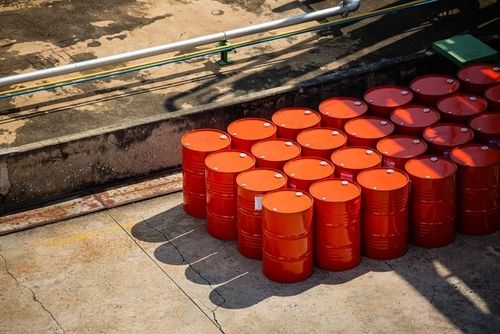
TradingKey - Over the weekend, the U.S. and Iran engaged in a new round of maneuvering over the situation in the Middle East, leading to a rapid escalation in geopolitical risks. As a result, international oil prices gapped significantly higher in early Asian trading on Monday, with WTI and Brent crude surging more than 8% intraday before both retracing to a 5% gain.
News reports indicate a "rapid reversal" in the situation over the weekend. While the U.S. had previously signaled an openness to negotiations to steer market expectations toward de-escalation, its actual actions have turned hawkish. Events such as the U.S. Navy intercepting and seizing Iranian-linked vessels at sea have reignited tensions. Meanwhile, Iran responded by reclaiming control over the Strait of Hormuz and bolstering its military presence, directly impacting global energy transport security.
Currently, the "expectational gap" surrounding a ceasefire and negotiations has become the core driver of intense market volatility. The market had previously bet on the two sides nearing a deal, which pushed oil prices down significantly. However, Iran quickly denied such progress and re-tightened blockade measures, causing market sentiment to pivot from "expected de-escalation" to "conflict escalation" in a short period.
From a supply-demand perspective, the Strait of Hormuz is one of the world's most critical energy transit corridors; any risk of disruption would directly affect approximately 20% of global crude oil shipments. Iran's re-tightening of control over this passage has sparked significant concerns regarding the security of crude supplies, serving as a direct trigger for the spike in oil prices.
If oil prices return to a strong trading range, there will be spillover effects on the global macro environment. First, elevated oil prices could reignite inflation expectations, interfering with the policy paths of major central banks. Second, rising energy costs will compress corporate profit margins, exerting potential pressure on the valuation of risky assets. At the same time, safe-haven capital may periodically flow back into commodities and the energy sector.
However, short-term price action remains highly dependent on the evolution of U.S.-Iran relations. Should subsequent negotiations yield substantive progress or if the ceasefire agreement is extended, oil prices could see a rapid correction. Conversely, if the conflict escalates further or leads to supply disruptions, oil prices may once again challenge higher levels.
Overall, this surge in oil prices is essentially a concentrated release of the "geopolitical premium." Against a backdrop of frequent shifts between bullish and bearish expectations, market volatility has risen significantly, and crude oil prices are becoming a key anchor for global macro trends and risk sentiment.
Read more
* The content presented above, whether from a third party or not, is considered as general advice only. This article should not be construed as containing investment advice, investment recommendations, an offer of or solicitation for any transactions in financial instruments.


