




Wall Street’s biggest banks just revealed what the economy really looks like - what’s next?
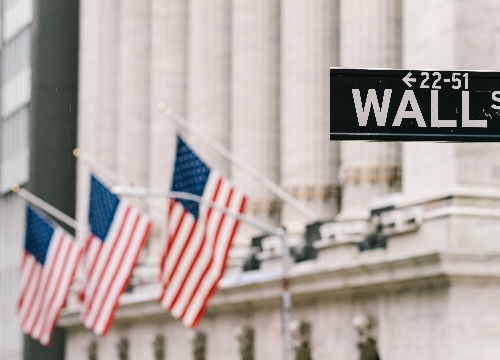
America’s largest banks have opened the Q2 earnings season with a resilient picture of the US economy.
JPMorgan Chase, Bank of America, Citigroup, Goldman Sachs, and Wells Fargo reported Q2 results on Tuesday, revealing strong trading activity, growing loan demand, and a revived appetite for corporate deals.
JPMorgan’s equities trading revenue surged 86% year-on-year to US$6 billion. Bank of America generated a record US$7.1 billion in sales and trading revenue, while its investment-banking fees jumped 50% to US$2.1 billion. Wells Fargo reported average loans up 12% and trading revenue up 24%.
Together, the results suggest consumers are still spending, businesses are still borrowing, and companies are becoming more willing to raise capital, buy competitors, and invest in growth.
For Australian traders, that creates opportunities well beyond the shares of the banks themselves. The results could influence the Dow Jones, S&P 500, and Nasdaq differently as markets decide whether the next phase of the rally belongs to financials, technology, or a broader rotation across the US market.
What the bank results are telling markets
Banks are uniquely placed to assess the economy because they sit at the centre of it. They see credit-card spending, mortgage demand, business loans, corporate fundraising, mergers, currency flows, and institutional trading activity as it happens.
This quarter’s reports provided several important signals:
The immediate opportunity is in the banks themselves. Stronger lending, trading, and dealmaking can support financial shares if management guidance confirms the momentum can continue.
But the broader opportunity may be in the market rotation that the results could trigger.
For much of the past year, the Nasdaq and a small group of AI-linked technology companies have dominated investor attention. If bank earnings continue to reinforce the case for a resilient economy, capital could increasingly rotate towards financials, industrial companies, and other areas that benefit from stronger business activity.
Australian traders no longer need to watch these global rotations from the sidelines. Contracts for Difference (CFDs) provide exposure to movements in US shares and major indices without needing to purchase the underlying assets outright.
“Bank earnings have set the stage. Be ready for what Wall Street does next. ”
Why bank earnings matter for the major indexes
JPMorgan and Goldman Sachs are Dow components, so large post-earnings moves can directly affect the index. Financials also carry meaningful weight in the S&P 500, where stronger loan growth, stable credit conditions, and a dealmaking recovery can support a broader cyclical rotation.
The Nasdaq is less exposed to banks and remains driven by big-tech earnings and AI spending. That means the Dow and S&P 500 could gain ground as investors rotate towards financials, while the Nasdaq continues to follow its own technology-led path.
The key question is whether the banks’ encouraging read on consumers, businesses, and dealmaking is enough to shift capital into a wider range of sectors as earnings season unfolds.
The challenge of trading the next market rotation
The banks have delivered an encouraging read on the US economy, but translating that into a trade is more complicated than simply buying financial shares after earnings.
Several challenges stand out:
Not all of the good news means the same thing. A surge in trading revenue reflects active and volatile markets, while loan growth and stable credit quality provide a more direct read on consumers and businesses. Traders need to distinguish between a strong quarter for Wall Street and evidence of a more durable economic recovery.
Each bank is exposed to a different part of the economy. JPMorgan and Goldman Sachs benefit heavily from dealmaking and institutional trading. Bank of America and Wells Fargo provide a clearer window into consumer spending, deposits, and lending. That means their shares can react very differently even when the broader earnings message is positive.
The strongest opportunity may sit outside the banks themselves. If investors take the results as evidence that the economy is holding up, capital could rotate into the Dow and S&P 500, where financials and other cyclical sectors carry more influence. The Nasdaq may continue following big-tech earnings and AI spending instead.
Earnings-season reactions can change quickly. The headline numbers arrive first, but guidance on interest income, credit losses, expenses, and loan demand often determines where shares trade once investors have absorbed the details.
The next key developments arrive overnight. US bank conference calls, Morgan Stanley’s results, economic data, and big-tech earnings all land during Australian night-time hours, when sentiment can change before the ASX opens.
For traders, the challenge is not simply deciding whether bank shares should rise. It is identifying whether the results are beginning a broader market rotation—and being ready to respond as the evidence builds.
How Mitrade helps traders respond
Mitrade uses CFDs to help Australian traders respond as the banks’ earnings message filters through individual shares and the wider US market.
Trade the market receiving the strongest signal. A positive read on dealmaking may favour JPMorgan or Goldman Sachs, while resilient consumer borrowing could support Bank of America or Wells Fargo. If the story becomes a broader cyclical rotation, traders can also follow the Dow Jones or S&P 500 rather than choosing a single bank share.
Respond as expectations change. Earnings season does not produce a one-way outcome. CFDs allow traders to take long or short positions, creating flexibility if confidence around lending and consumer spending strengthens—or if the market begins reassessing the durability of the recovery.
Separate financials from technology. The Dow and S&P 500 may benefit if investors rotate towards banks and other economically sensitive sectors, while the Nasdaq remains more exposed to AI spending and big-tech earnings. Mitrade allows traders to follow these diverging market moves from one platform.
Be prepared for the next catalyst. Bank conference calls, Morgan Stanley’s results, US economic data, and big-tech earnings can all reshape sentiment overnight. Entry orders, stop-losses, and take-profit levels can be placed in advance, allowing trades to execute automatically if a chosen price level is reached.
Define exposure before entering. Mitrade displays required margin and potential profit or loss before a trade is placed, helping traders decide how much capital to commit as earnings-season volatility develops.
The latest bank results have provided the first signal. The next question is whether the broader market follows.
“Bank earnings have set the stage. Be ready for what Wall Street does next. ”
What could drive Wall Street’s next move?
The Q2 results point to resilient consumers, growing lending activity, and a recovery in dealmaking. Whether that message translates into a sustained move in financial shares—or a broader rotation across US indices—will depend on the next round of data and corporate updates.
Bank guidance: The most important details are still management’s outlook for loan growth, net interest income, trading activity, and credit losses in the second half of 2026. That will show whether the quarter reflects durable momentum or unusually favourable market conditions.
Morgan Stanley’s results: Morgan Stanley reports next, providing another read on investment-banking fees, wealth-management flows, and confidence among institutional clients.
Consumer and employment data: The banks’ results suggest consumers are still coping with higher borrowing costs. Upcoming retail sales, jobs, and inflation data will test whether that resilience is continuing.
Federal Reserve expectations: Interest-rate expectations affect bank profitability, lending demand, and bond-market activity. Any shift in the expected path for rates could quickly change the outlook for financial shares.
Big-tech earnings: Stronger financials could lift the Dow and S&P 500, while the Nasdaq remains dependent on AI spending and results from the largest technology companies. Their next reports will determine whether that gap widens or closes.
The bank reports have delivered the first major clue of earnings season. The next developments will show whether the wider market follows.
Be ready for the next earnings season move
The biggest US banks have delivered an early signal that the economy remains more active than many investors had feared.
Whether that supports a rally in financial shares, a broader move in the Dow and S&P 500, or a rotation away from technology will depend on the guidance, economic data, and earnings reports still to come.
Mitrade helps Australian traders stay prepared with:
AUD-based accounts, with position values, margin, and profit/loss calculated in Australian dollars.
0% commission trading, with costs incorporated into spreads rather than charged separately per trade.
Access to global shares, indices, commodities, forex, and cryptocurrency markets from one platform.
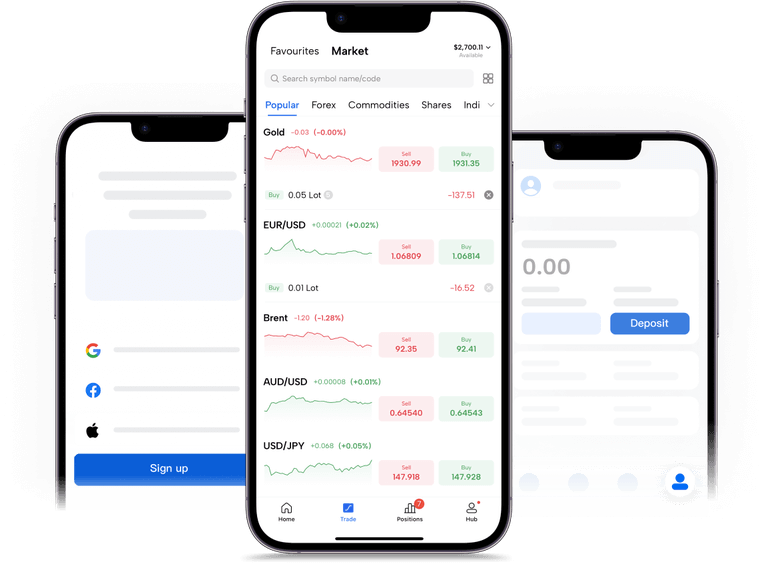
A mobile app designed to help traders monitor international market moves outside Australian hours.
Margin and projected profit/loss are shown before a trade is placed.
ASIC regulation under AFSL 398528, with retail client funds held in segregated trust accounts.
A free US$50,000 demo account to test strategies before risking real capital.
Start trading US market CFDs in three simple steps
Open an account: Register through the Mitrade homepage, or use the fast sign-up process with existing Google or Facebook credentials.
Fund the account: Deposit initial margin using secure Australian payment methods, including POLi or Visa/Mastercard.
Trade CFDs: Choose a US bank share or index, analyse the market, set risk parameters and decide whether to take a long or short position.
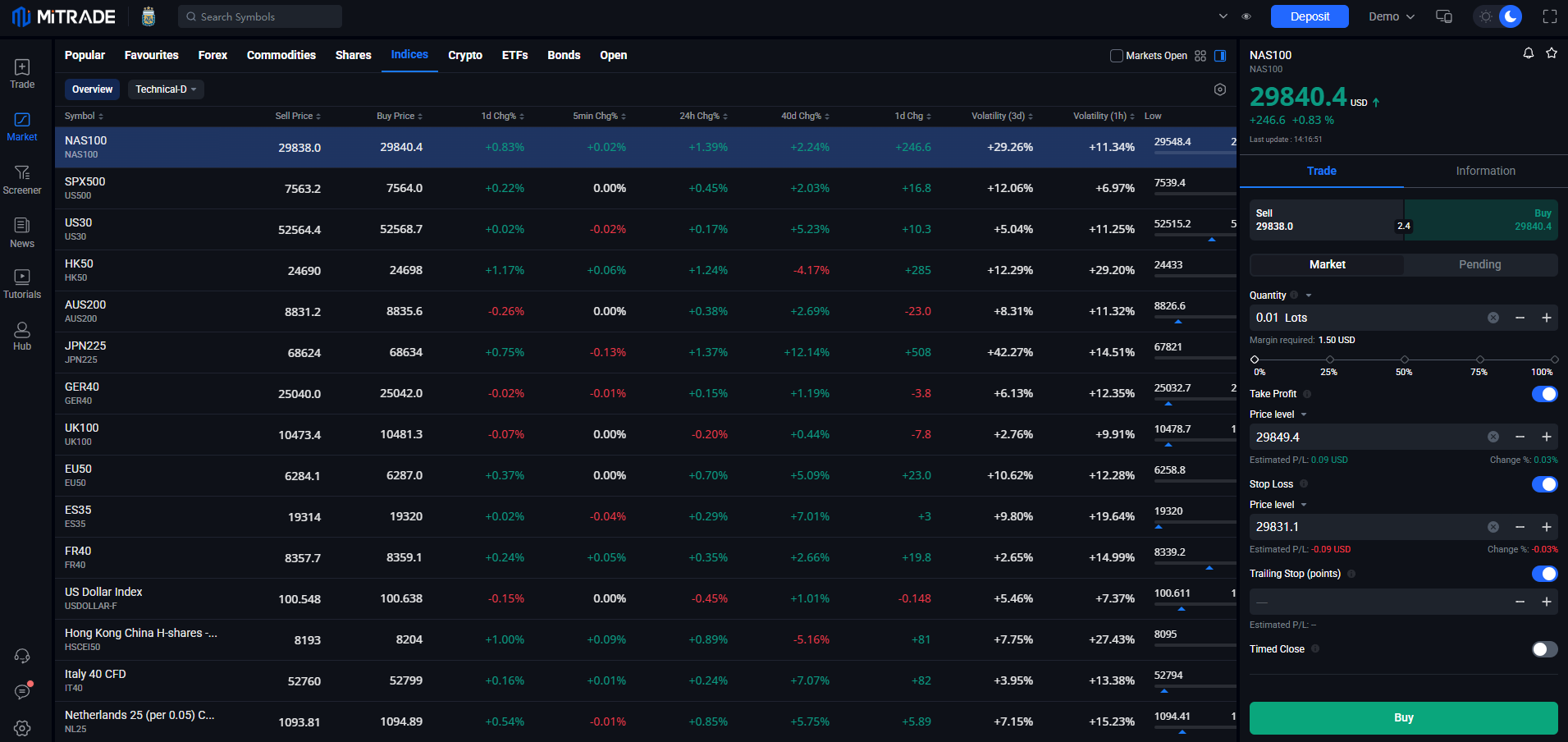
The US earnings season is only beginning.Open your Mitrade account today and be ready for whatever Wall Street reveals next.


1. Why do bank earnings matter to the wider share market?
Large banks provide an early view of consumer spending, business borrowing, credit conditions, trading activity, and corporate dealmaking. Their guidance can influence expectations for the US economy and the rest of earnings season, affecting the Dow, S&P 500 and Nasdaq.
2. Can US bank shares fall after reporting strong profits?
Yes. Share prices depend on future expectations, not just the latest profit figure. A bank can beat forecasts but still fall if investors are concerned about lending growth, expenses, credit losses or management guidance.
3. Can CFDs be used if US bank shares or indices fall?
Yes. CFDs allow traders to take long positions if they expect prices to rise or short positions if they expect prices to fall. However, leverage increases risk and can magnify both profits and losses.
Disclaimer: The content presented above, whether from a third party or not, is considered as general advice only. CFD trading involves significant risk of loss. Past performance does not guarantee future results. This article serves informational purposes only and does not constitute financial advice. Consider your risk tolerance before trading.


