




Market News Today Australia: Gold Breaks US$3,800, Oil Slides and S&P 500 Falls for Fifth Session

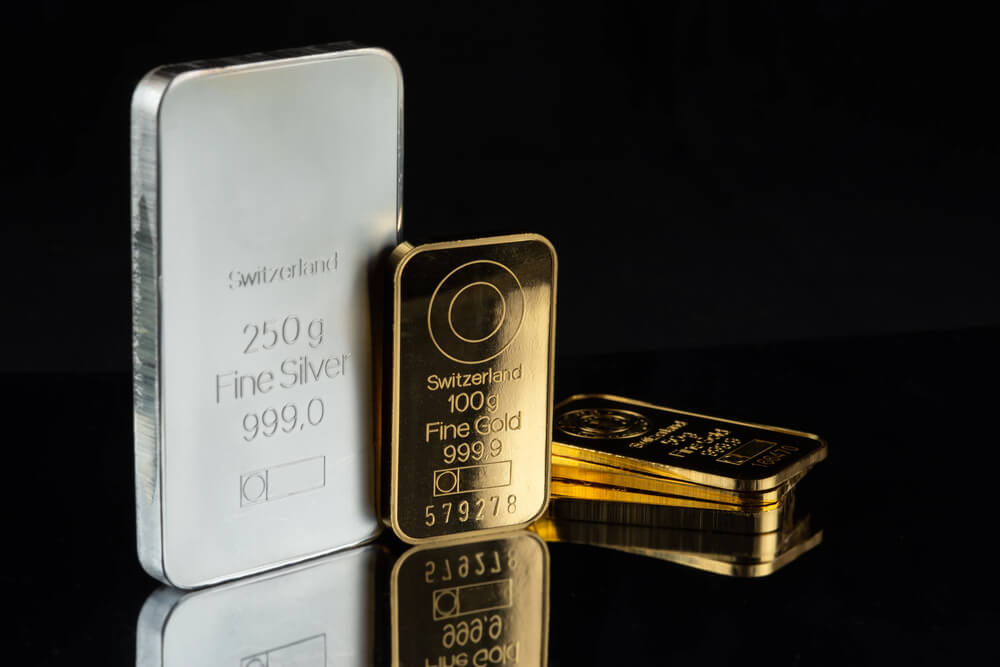
Gold breaks lower: Spot gold fell approximately 3.2% to around US$3,726 an ounce after touching US$3,719.55, its lowest level since September 2025. Silver dropped approximately 5% to US$45.03.
US stocks finish mixed: The S&P 500 recorded its fifth consecutive decline, while the Dow fell and the Nasdaq Composite advanced.
Nasdaq 100 edges higher: The benchmark gained 0.42% to 27,116.26.
Oil retreats: WTI futures settled 3.2% lower at US$83.26 a barrel as rising US inventories reinforced supply-surplus concerns.
Fed tightening remains in focus: The October meeting minutes showed almost all participants considered further rate increases likely to be appropriate under their baseline outlooks.
Australian unemployment rises: October’s seasonally adjusted unemployment rate reached 4.9%, while employment fell by 43,500.
Australian traders face a combination of weaker commodities, persistent US inflation concerns and uneven technology-sector performance.
The central question is how these forces interact. Falling oil prices could eventually ease inflation pressure, but the Federal Reserve’s latest communication indicates that policymakers remain concerned about inflation persistence.
Fed Minutes Reinforce the Prospect of Further Rate Increases
The minutes of the Federal Reserve’s 27–28 October meeting showed broad support for additional tightening if the economy developed as officials expected.
Almost all participants judged that further increases would likely be appropriate to return inflation to 2% in a timely manner. A couple also said an increase exceeding 25 basis points could warrant consideration at the next meeting if incoming inflation data were unfavourable.
The minutes describe conditional views, rather than a commitment to a particular December decision. They also predate subsequent economic releases.
Fed Governor Christopher Waller added to the debate by advocating either a half-point December increase or communication pointing towards a faster pace of tightening in 2027.
For markets, both the size of the next move and the expected path beyond December matter. A longer sequence of increases could affect financing costs and valuations even if each individual adjustment remains relatively small.
Gold Price Today: XAU/USD Falls Below US$3,800
Gold’s break below US$3,800 extended its recent decline and left bullion near a 14-month low.
The market faced pressure from a firmer dollar and expectations of additional monetary tightening. However, Treasury yields subsequently eased into the close, showing why gold’s full-session move should not be attributed to a continuous rise in bond yields.
A decline in yields can provide some relief without necessarily reversing the effects of a strong dollar or restrictive policy expectations.
Gold levels to watch
* These are reference areas for scenario planning, rather than confirmed turning points or price targets.
A brief move above US$3,800 would offer less evidence of stabilisation than sustained trading above it. Conversely, renewed selling around the recent low would keep downside risk in focus.
Silver Price Outlook: Can XAG/USD Stabilise Around US$45?
Silver’s larger percentage decline highlighted the volatility of precious metals during the session.
The area around US$45 provides an immediate reference for XAG/USD, while US$46–US$47 offers a potential recovery range to monitor. These round numbers should be assessed alongside current market conditions.
Silver traders face two related questions: whether investment demand improves as monetary-policy expectations change, and whether the industrial-demand outlook supports a recovery.
Its sharper move also matters for position sizing. Similar cash allocations to gold and silver do not necessarily create similar exposure to price swings.
WTI Oil Outlook: Inventory Builds Reinforce Supply Concerns
WTI futures settled at US$83.26 after losing more than US$4 during the session. Brent finished at US$91.95.
US crude inventories increased by 3.4 million barrels in the week ended 13 November, while gasoline stocks rose by 5.2 million barrels. The increases strengthened concerns about surplus supply.
The price response suggests that inventory and supply considerations outweighed the immediate support from continuing Middle East disruption risks.
Those risks remain relevant. A headline-driven interruption could change near-term supply expectations quickly, even during a broader decline.
Is US$80 the next reference for WTI?
For USOIL traders, US$80 is a psychological downside reference rather than an inevitable destination. On a rebound, US$85 and then US$87 are round-number areas to assess.
US Stocks: Nasdaq Gains While the Broader Market Remains Uneven
The mixed close showed that some technology strength was insufficient to lift all major benchmarks.
Nvidia initially rose following its earnings beat before reversing into a loss, illustrating how strong reported results can coexist with caution about future returns.
For NAS100 traders, market breadth remains important. Gains spread across several large constituents would carry a different implication from a rally concentrated in a small number of companies.
Anthropic’s IPO becomes the next AI sentiment test
Reuters reported that Anthropic priced its IPO at US$83 per share and raised approximately US$81.31 billion, citing a person familiar with the matter.
The listing provides another opportunity to assess investor appetite for AI businesses after recent volatility.
An IPO price is distinct from the price at which shares first trade. Strong demand during the offering also does not establish how the stock will perform after listing.
Australian Market Outlook
Resource shares face a weaker commodity backdrop
The simultaneous decline in precious metals and oil creates a challenging backdrop for parts of Australia’s resources sector.
Gold producers may face pressure from lower bullion prices, while energy companies remain sensitive to crude. Currency movements, production costs and company-specific developments will influence individual responses.
For the broader ASX, the performance of banks and other large sectors will help determine whether commodity weakness translates into wider selling.
Employment data complicate the domestic policy outlook
The ABS reported that Australian employment fell by 43,500 in October, with the unemployment rate at 4.9% and participation at 66.6%. The ABS also advises caution when interpreting individual monthly movements.
These figures add a softer labour-market signal to the RBA debate. Policymakers must weigh employment conditions alongside inflation and wage developments.
For AUD/USD, weaker employment could reduce support from Australian interest-rate expectations. The eventual currency response will also depend on US data, Federal Reserve communication and global risk sentiment.
Economic Calendar: Key Events for 19 November 2026
* Sources: ABS and Borsa Italiana/Radiocor. Times are converted to AEDT; schedules remain subject to change.
The Philadelphia Fed survey’s prices-paid component may attract attention alongside its headline activity reading. Jobless claims will provide another labour-market signal as investors assess the case for further Fed tightening.
What Should Australian CFD Traders Watch Next?
1. Gold: Can XAU/USD Defend US$3,720?
The area around Wednesday’s low is an immediate reference. A recovery above US$3,800 could suggest selling pressure is easing, while renewed weakness would bring US$3,700 into focus.
2. WTI Oil: Will US$80 Become the Next Test?
Rising inventories and surplus-supply concerns remain headwinds. Middle East disruption risks could generate rebounds, with US$85 a nearby recovery reference.
3. Nasdaq 100: Can AI Buying Broaden Beyond Individual Stocks?
Nvidia’s reversal and Anthropic’s IPO place investor confidence in focus. Market breadth and financing conditions could influence whether technology shares sustain their recovery.
4. US Treasury Yields: Can the 10-Year Yield Stay Above 5%?
Yields eased despite hawkish Fed communication. Further moves could influence gold, currencies and equity valuations, while Australian employment data add a domestic catalyst for AUD/USD.
Explore Global Markets with Mitrade
The latest market movements demonstrate how inflation expectations, monetary policy, commodity inventories and company developments can influence global financial markets.
Mitrade offers eligible traders access to selected global CFD markets, including indices, forex and commodities. Explore Mitrade Australia to review available markets and account options.
*CFDs are complex leveraged products and carry a high risk of losing money rapidly. Leverage magnifies both gains and losses, and trading is not suitable for every investor. Check the applicable product disclosure statement, fees and regulatory information before opening an account.

 Enjoy simple and fast trading Flexible leverage options available Follow real-time trading strategies Demo account with $50,000 virtual funds


Disclaimer: The content presented above, whether from a third party or not, is considered as general advice only. CFD trading involves significant risk of loss. Past performance does not guarantee future results. This article serves informational purposes only and does not constitute financial advice. Consider your risk tolerance before trading.


