




Oil is rising again before OPEC+ meets — can Saudi attacks overpower surplus fears?

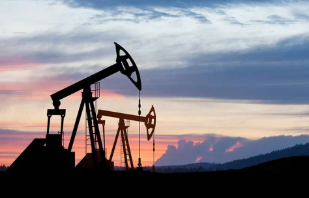
Oil prices are climbing again as fresh attacks on Saudi energy infrastructure and tanker incidents near the Strait of Hormuz revive concerns over how secure Middle East supply really is.
Brent crude rose to around $96 a barrel on Thursday, while West Texas Intermediate traded near $85, after Yemen’s Houthis claimed an attack on Saudi Arabia’s Ras Tanura refinery and Iran reported that two tankers had struck mines in the Strait of Hormuz. A separate attack also hit Saudi Aramco’s Jazan refinery, temporarily halting some operations.
The renewed disruption comes ahead of the November 29 OPEC+ meeting, with the group widely expected to leave current production targets unchanged through at least the first quarter of 2027.
Oil traders are facing two competing forces. Geopolitical disruption could quickly tighten physical supply again, but recovering exports and weaker consumption are already pushing the global market back toward surplus.
For Australian traders, UKOIL and USOIL offer two closely related but distinct ways to trade the next move in crude, depending on which of those forces dominates.
Oil’s geopolitical premium is returning
The latest rally follows several weeks in which traders had been steadily removing some of oil’s war premium. Brent fell from roughly $115 in late October to below $95 in November as Middle East exports recovered and fears of a broader escalation eased.
The Strait of Hormuz normally carries around one-fifth of global petroleum consumption and a similar proportion of global liquefied natural gas trade. Renewed tanker incidents can therefore affect prices even if crude production remains intact. Higher insurance costs, vessel diversions and shipping delays can restrict the availability of oil reaching international buyers.
Saudi infrastructure introduces another source of uncertainty. Damage to major energy facilities could affect both crude exports and refined-product supply, although the extent and duration of any disruption remain unclear.
The latest attacks threaten to interrupt a substantial recovery in Middle East oil flows. Gulf crude exports reached approximately 15 million barrels a day in October, equivalent to 82% of pre-war levels. Another sustained interruption could force traders to reverse some of the increasingly bearish positions built over recent weeks.
OPEC+ faces the opposite problem: too much oil
While geopolitical risk is supporting prices, the underlying global supply balance has been moving in the opposite direction. The International Energy Agency (IEA) expects supply to exceed demand by around 1.7 million barrels a day in the fourth quarter, reversing its earlier expectations of a deficit.
Global oil production increased by 2.3 million barrels a day in October to 105.4 million, supported by recovering Gulf exports and production growth elsewhere. Meanwhile, elevated fuel prices and economic disruption have weakened consumption.
Sunday’s OPEC+ meeting comes at a particularly difficult time for the group. Ministers are expected to maintain existing output targets through at least the first quarter of 2027, but disagreements over how much individual members should eventually be allowed to produce remain unresolved.
Iraq and Kazakhstan are pushing for higher production capacity assessments, while the United Arab Emirates has already left the group following longstanding disagreements over production quotas.
Those competing interests could make supply management increasingly difficult heading into 2027. Energy research firm Rystad Energy expects the global oil surplus could average around 5 million barrels a day next year, even with only a partial recovery in Gulf supply.
OPEC+ has little incentive to accelerate production increases against those forecasts, but individual producers still want room to produce more.
UKOIL and USOIL are not exactly the same trade
Brent is generally more directly exposed to the current Middle East supply story because it is the main international benchmark for seaborne crude. WTI responds to many of the same geopolitical forces, but domestic US fundamentals can influence the size and direction of its price movements.
US commercial crude inventories rose by 1.1 million barrels in the week ending November 20 to 418.9 million barrels, although stocks remain around 3% below their five-year seasonal average. Cushing inventories fell by approximately 534,000 barrels to 25.6 million.
The contrasting inventory movements show why USOIL traders need to look beyond the headline US stockpile figure. Rising national inventories can pressure WTI, while falling stocks at its delivery hub may provide some offsetting support.
Brent is currently trading at a premium of around $11–12 a barrel to WTI. Further disruption to Middle East exports could widen that gap, while improving shipping conditions combined with tighter US inventories could narrow it.
Australian traders using Mitrade can access both UKOIL and USOIL CFDs, allowing them to take a view on either benchmark without owning physical crude or trading futures contracts directly. Leverage magnifies potential gains and losses.
“Trade Oil CFDs with an ASIC-regulated broker. Fast AUD funding via PayID. ”
A global oil surplus does not mean every market is well supplied
Global oil inventories increased by 52 million barrels in October, their first monthly increase since June. However, much of that increase came from oil being transported at sea, while onshore inventories continued falling and remained at their lowest levels since at least 2016.
The distinction between available production and oil physically reaching buyers is particularly important during shipping disruptions. A global surplus can coexist with regional shortages when crude or refined products cannot reach their destinations efficiently.
Diesel supplies also remain under pressure, with attacks on Russian refining infrastructure adding to disruptions across the Middle East. Emergency stock releases have helped bridge some of those shortages, but they cannot permanently replace lost production.
Earlier in 2026, traders were asking how much oil the world could lose. Heading into 2027, they may increasingly ask how much supply the market can absorb.
The transition between those two conditions could produce sharp rallies whenever geopolitical tensions escalate, even if the longer-term supply outlook continues to weaken.
What could drive the next move in oil?
Bullish factors
Further Middle East disruption: Additional attacks on energy infrastructure or shipping could restrict exports and rebuild the geopolitical premium.
OPEC+ production restraint: A commitment to maintaining or reducing production targets could help counter growing surplus expectations.
Falling inventories: Renewed declines in global stockpiles or US crude inventories could indicate that physical supply remains tighter than forecast.
Stronger global demand: Improving Chinese industrial activity and fuel consumption could help absorb recovering production.
Bearish factors
Recovering Gulf exports: Continued improvement in Middle East shipments would strengthen expectations of a global surplus.
OPEC+ disagreements: Pressure from individual producers for higher quotas could undermine efforts to manage supply.
Weaker consumption: Elevated fuel prices and slowing economic activity could further reduce global oil demand.
Rising US inventories: Additional stockpile increases could pressure WTI, particularly if domestic production remains strong.
Trading UKOIL and USOIL with Mitrade
Eligible Australian clients can use Mitrade CFDs to take long or short positions on UKOIL and USOIL without owning the underlying commodity.
Traders expecting Middle East supply disruptions to push prices higher can take a long position, while those expecting recovering exports and a growing global surplus to weigh on prices can take a short position.
UKOIL offers more direct exposure to international supply and shipping developments, while USOIL also allows traders to respond to changes in US inventories, refinery demand and domestic production.
Stop-loss and take-profit orders can help define exit levels, while pending orders allow positions to open when selected prices are reached. Stop-loss orders are not guaranteed and may be filled at a worse price.
Mitrade holds an Australian Financial Services Licence. Commodity CFDs are leveraged products, so both potential gains and losses can be magnified.
Start trading oil in three steps
You might be interested in…
1. Why are oil prices rising again?
Fresh attacks on Saudi energy infrastructure and reported tanker incidents near the Strait of Hormuz have revived concerns about global supply. Those risks are competing with recovering Middle East exports and expectations of a growing global oil surplus.
2. Could oil prices fall even if Middle East tensions continue?
Yes. If global production continues recovering faster than demand, growing inventories could outweigh the geopolitical premium. The severity and duration of supply disruptions will influence how much risk remains priced into crude.
3. What is the difference between UKOIL and USOIL?
UKOIL tracks Brent crude, the main international oil benchmark, while USOIL tracks West Texas Intermediate, the main US benchmark. Brent is generally more directly exposed to global seaborne supply, while WTI is also influenced by US inventories, Cushing storage and domestic refinery demand.
4. Can traders benefit if oil prices fall?
CFDs allow traders to take short as well as long positions, providing exposure to falling or rising oil prices without owning the underlying commodity. However, leverage magnifies losses as well as gains, and sudden geopolitical developments can cause sharp price gaps.
Disclaimer: The content presented above, whether from a third party or not, is considered as general advice only. Trading OTC derivatives involves significant risk and may not be suitable for all investors. CFDs are leveraged products, and you may lose all the funds in your trading account. You do not own or have rights to the underlying assets. This content is general information and does not take into account your objectives, financial situation or needs. Consider the PDS, FSG, TMD and other relevant disclosure documents before deciding whether to trade, and seek independent advice where appropriate. Past performance and demo results are not reliable indicators of future performance.


