




How to Trade in Crude Oil in 2026: Beginner’s Guide to Oil CFDs, Strategies & Best Platforms
Crude oil is one of the most actively traded commodities in global financial markets. As the backbone of the global energy system, oil prices influence everything from transportation costs to inflation and economic growth. Because of its high liquidity and frequent price swings, crude oil also attracts traders looking to profit from market volatility.
In 2026, retail investors have more ways than ever to participate in oil trading. You no longer need to buy or store physical barrels of oil. Instead, traders can access oil markets through financial instruments such as futures, ETFs, energy stocks, and CFDs.
Among these, crude oil CFDs (Contracts for Difference) have become particularly popular because they allow traders to speculate on oil price movements with relatively small capital and flexible trading conditions.
This guide explains how to trade in crude oil, the best platforms to use, and the key strategies beginners should understand before entering the market.
What Is Crude Oil Trading?
Crude oil trading refers to buying or selling financial instruments linked to the price of crude oil in order to profit from price changes. Instead of physically purchasing oil, traders typically speculate on the direction of oil prices using derivatives or exchange-traded products.
Oil markets are among the largest commodity markets in the world and are influenced by a wide range of economic, political, and supply-demand factors.
The Two Major Oil Benchmarks
Most crude oil trading is based on two global benchmark prices:
WTI (West Texas Intermediate)
WTI crude oil is primarily produced in the United States and traded on the New York Mercantile Exchange. It is considered a key benchmark for North American oil prices.
Brent Crude
Brent crude comes from oil fields in the North Sea and is widely used as the global benchmark for oil pricing.
Both benchmarks are highly liquid and widely traded across global financial markets.
Why Traders Trade Oil
Crude oil attracts traders for several reasons:
High liquidity, allowing large trades without significant price impact
Strong volatility, which creates frequent trading opportunities
Global economic relevance, making oil prices responsive to news and macroeconomic events
Because of these characteristics, oil markets are particularly attractive for short-term traders and active investors.
“Trade oil CFDs with an ASIC-regulated broker. Fast AUD funding via PayID. ”
Why Trade Crude Oil in 2026?
Despite the growth of renewable energy, crude oil remains one of the most important commodities in the global economy. Several key factors continue to create opportunities for oil traders in 2026.
Global Energy Demand
Global demand for energy continues to grow, especially in emerging markets. Rapid urbanization and industrial expansion in regions such as Asia and Africa are expected to support long-term oil demand.
Even as renewable energy expands, oil remains essential for transportation, petrochemicals, and heavy industry.
Geopolitical Factors
Oil prices are highly sensitive to geopolitical developments. Conflicts in oil-producing regions, sanctions, and trade disputes can quickly disrupt supply and cause sharp price movements.
Decisions made by major oil producers, particularly OPEC+, also play a crucial role in determining global oil supply.
Oil Price Volatility
One of the main reasons traders focus on oil is its frequent price volatility. Changes in supply expectations, economic data, and energy policies can cause rapid price fluctuations.
For traders using leveraged products such as CFDs, this volatility can create both opportunities and risks.
Different Ways to Trade in Crude Oil
Investors today have several ways to gain exposure to crude oil prices. Each method offers different advantages depending on trading goals, capital, and risk tolerance.
1. Oil Futures
Oil futures are standardized contracts that allow traders to buy or sell crude oil at a predetermined price on a specific future date. These contracts are typically traded on major exchanges such as the New York Mercantile Exchange (NYMEX) and the Intercontinental Exchange (ICE).
Futures trading is widely used by institutional investors, hedge funds, and energy companies to hedge price risk or speculate on future oil prices.
Key characteristics of oil futures include:
High leverage
Large contract sizes
Expiration dates and contract rollovers
Direct exposure to benchmark oil prices such as WTI or Brent
However, futures contracts often require significant capital and a strong understanding of the market. Because of their complexity and volatility, they are generally considered more suitable for professional or experienced traders.
2. Oil ETFs
Exchange-Traded Funds (ETFs) offer a simpler way to gain exposure to oil prices through the stock market. Oil ETFs track the performance of crude oil prices or oil-related assets and can be bought or sold like regular stocks.
Popular oil ETFs typically track:
WTI crude oil futures
Brent crude oil prices
Energy sector companies
For investors who prefer long-term exposure to the energy market without actively trading, ETFs can be a convenient option. They also require less capital than futures trading and are available through most traditional brokerage accounts.
However, ETFs may not perfectly track spot oil prices due to factors such as futures contract rollovers and fund management fees.
3. Oil Stocks
Another way to trade oil indirectly is by investing in the shares of oil and energy companies. These companies operate across different segments of the industry, including exploration, production, refining, and energy services.
Examples of oil-related stocks include:
Major integrated oil companies
Shale producers
Oilfield service providers
Oil stocks often move in the same direction as crude oil prices, but their performance is also influenced by company earnings, management decisions, and broader stock market conditions.
As a result, investing in oil stocks provides exposure to the energy sector rather than the pure price movement of crude oil itself.
4. Oil CFDs (Most Popular for Retail Traders)
Contracts for Difference (CFDs) have become one of the most popular ways for retail traders to trade crude oil online.
With CFDs, traders do not buy or own the physical commodity. Instead, they speculate on whether the price of crude oil will rise or fall.
Key advantages of oil CFD trading include:
The ability to trade both rising and falling markets
Leverage, which allows traders to control larger positions with smaller capital
Lower capital requirements compared to futures
No need to manage contract expiration
For example, if a trader expects the price of WTI crude oil to increase, they can open a buy (long) position. If they believe the price will fall, they can open a sell (short) position.
This flexibility makes CFDs particularly attractive for short-term traders, day traders, and investors looking to capitalize on oil price volatility.
“Trade oil CFDs with an ASIC-regulated broker. Fast AUD funding via PayID. ”
Best Platforms to Trade Crude Oil in 2026
Choosing the right trading platform can make a significant difference in your crude oil trading experience. The best platforms offer competitive spreads, strong regulation, powerful trading tools, and access to major oil markets such as WTI and Brent.
Below is a comparison of some popular platforms that offer crude oil CFD trading in 2026.
Crude Oil Trading Platforms Comparison
Mitrade
Mitrade has become a popular CFD trading platform thanks to its user-friendly interface and competitive spreads. The platform offers access to both WTI and Brent crude oil markets and allows traders to open positions with relatively small capital.
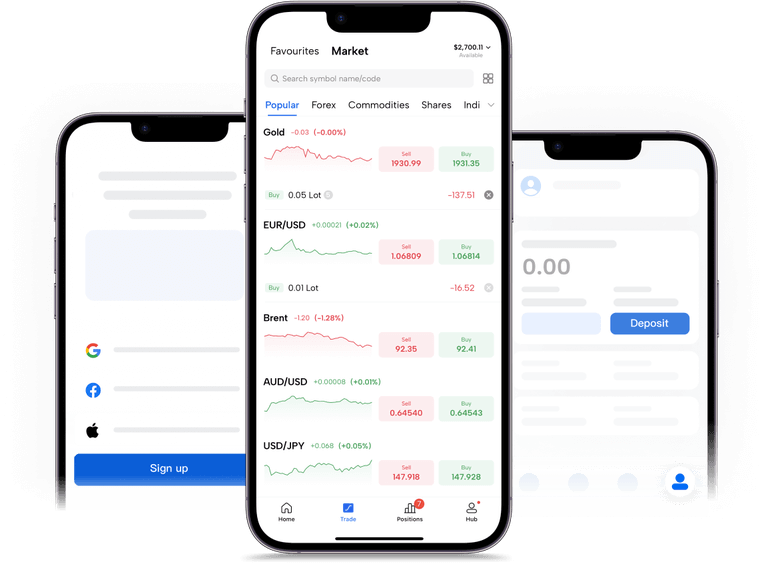
Traders can also benefit from advanced charting tools, mobile trading apps, and risk management features such as stop-loss and take-profit orders.
eToro
eToro is widely known for its social trading features, which allow users to copy the trades of experienced investors. The platform supports crude oil CFD trading and provides an easy-to-use interface that appeals to beginners.
However, leverage options may be more limited depending on regulatory restrictions.
IG
IG is one of the largest online trading providers globally and offers access to a wide range of commodities, including crude oil. The platform provides professional-grade trading tools, advanced charting capabilities, and deep market liquidity.
IG is often preferred by experienced traders who want access to more sophisticated trading features.
Plus500
Plus500 is a well-known CFD trading platform that focuses on simplicity and accessibility. Its clean trading interface makes it easy for beginners to place trades and monitor the market.
The platform also offers risk management tools and mobile trading options.
Pepperstone
Pepperstone is known for its fast execution speeds and competitive spreads, which can be beneficial for active traders and scalpers.
The platform supports advanced trading software such as MetaTrader and provides access to multiple commodity markets, including crude oil CFDs.

Trade Oil & Commodities with Flexible CFDs
Trade oil and commodity CFDs to respond to AUD swings and global market shifts with greater precision.
* CFDs are complex instruments and come with a high risk of losing money.


How to Trade Crude Oil CFDs (Step-by-Step Guide)
Trading crude oil with CFDs is relatively straightforward, especially with modern online trading platforms. The process usually involves a few key steps, from choosing a broker to placing your first trade.
Step 1 – Choose a Regulated Trading Platform
The first step is selecting a reliable and regulated trading platform that offers crude oil CFDs.
When comparing brokers, traders should consider:
Regulatory oversight
Trading fees and spreads
Available oil markets (WTI, Brent)
Leverage options
Trading tools and charting features
Choosing a reputable broker is essential for ensuring fund security and fair trading conditions.
Step 2 – Open and Verify Your Account
After selecting a platform, the next step is creating a trading account.
Most brokers require users to:
Provide personal information
Upload identity verification documents
Complete a basic trading suitability assessment
This verification process helps platforms comply with financial regulations and prevent fraud.
Step 3 – Deposit Funds
Once the account is approved, traders can fund their accounts using payment methods such as:
Bank transfer
Credit or debit cards
Online payment systems
Many CFD platforms allow traders to start with relatively small deposits, making crude oil trading accessible to beginners.
Step 4 – Analyze the Oil Market
Before entering a trade, it is important to analyze market conditions. Oil prices are influenced by a wide range of factors including supply, demand, geopolitics, and global economic activity.
Traders often use two main approaches:
Fundamental analysis
This involves monitoring:
OPEC+ production decisions
U.S. crude oil inventory reports
Global economic growth data
Geopolitical events
Technical analysis
Technical traders focus on price charts and indicators such as:
Moving averages
RSI
Support and resistance levels
Trend lines
Combining these methods can help traders identify potential entry and exit points.
Step 5 – Place Your First Oil Trade
Once you have analyzed the market, you can open a trade.
Typically, the trading interface allows you to:
Select WTI or Brent crude oil
Choose buy (long) if you expect prices to rise
Choose sell (short) if you expect prices to fall
Set trade size and leverage
After confirming the trade, the position will move in line with oil price fluctuations.
Step 6 – Manage Risk
Risk management is a critical part of successful oil trading. Because crude oil prices can be highly volatile, traders should always protect their positions.
Common risk management tools include:
Stop-loss orders
Automatically close a trade if the market moves against your position.
Take-profit orders
Secure profits once the price reaches a predetermined level.
Position sizing
Avoid risking too much capital on a single trade.
Using these tools can help traders maintain discipline and protect their trading capital over time.
“Trade oil CFDs with an ASIC-regulated broker. Fast AUD funding via PayID. ”
Key Factors That Move Crude Oil Prices
Oil prices are influenced by several key factors.
OPEC+ production decisions can significantly impact global supply levels.
Global economic growth affects energy demand from industries and transportation sectors.
U.S. crude oil inventories provide important signals about supply-demand balance.
Geopolitical tensions in major oil-producing regions can disrupt supply and drive price volatility.
The strength of the U.S. dollar also plays a role, as oil is typically priced in USD.
Crude Oil CFDs vs Futures vs ETFs
Traders can access oil markets through different financial instruments, including CFDs, futures, and ETFs.
For most individual traders, oil CFDs tend to offer the greatest flexibility. They require less capital than futures contracts and allow traders to take advantage of both rising and falling markets.
Meanwhile:
Futures contracts are typically preferred by professional traders and institutions.
Oil ETFs are often used by investors seeking longer-term exposure to the energy market.
Ultimately, the best method depends on your trading goals, risk tolerance, and level of market experience. Many beginners choose CFD trading because it provides a straightforward way to participate in crude oil price movements without the complexity of traditional commodity markets.
“Trade oil CFDs with an ASIC-regulated broker. Fast AUD funding via PayID. ”
Conclusion
Crude oil remains one of the most dynamic and widely traded commodities in global markets. Its strong price movements and sensitivity to economic and geopolitical events create frequent opportunities for traders.
With the rise of online trading platforms, individuals can now trade crude oil through CFDs, futures, or ETFs without needing to participate directly in physical commodity markets.
For many retail traders, oil CFDs provide the most flexible and accessible way to participate in oil price movements. By choosing a reliable trading platform, developing a clear strategy, and practicing strong risk management, traders can begin exploring opportunities in the global oil market.
*CFDs are complex instruments and come with a high risk of losing money due to leverage. Make sure you understand how CFDs work and whether you can afford to take the high risk of losing your money.
1. Is crude oil good for beginners to trade?
Yes, crude oil can be suitable for beginners, especially when trading through CFDs that allow smaller position sizes and flexible risk management.
2. What is the best time to trade crude oil?
Oil markets tend to be most active during the overlap between the U.S. and European trading sessions, when trading volume and volatility are highest.
3. Can you trade crude oil with CFDs?
Yes, many online brokers offer CFDs on WTI and Brent crude oil, allowing traders to speculate on price movements without owning physical oil.
Disclaimer: The content presented above, whether from a third party or not, is considered as general advice only. CFD trading involves significant risk of loss. Past performance does not guarantee future results. This article serves informational purposes only and does not constitute financial advice. Consider your risk tolerance before trading.


