


The S&P 500 Finished January Up 1.4%. Is This a Good Sign for Stocks in the Rest of 2026?
Key Points
Gains to start the year are typical for the S&P 500.
However, being in positive territory in January doesn't guarantee the index won't turn red by the end of the year.
For long-term investors, staying invested in index funds can be an optimal strategy.
- 10 stocks we like better than S&P 500 Index ›
The stock market is off to a positive start to 2026 and continues to reach new highs. The S&P 500's (SNPINDEX: ^GSPC) gains as of the end of January were 1.4%, which is noticeably lower than last year when it rose by 2.7% during the first month of the year.
While it's a gain to start 2026, and that's a good sign, it has only risen by about half as much as it did a year ago. Is this a cause for concern, or is the stock market still likely to do well this year?
Where to invest $1,000 right now? Our analyst team just revealed what they believe are the 10 best stocks to buy right now. Continue »
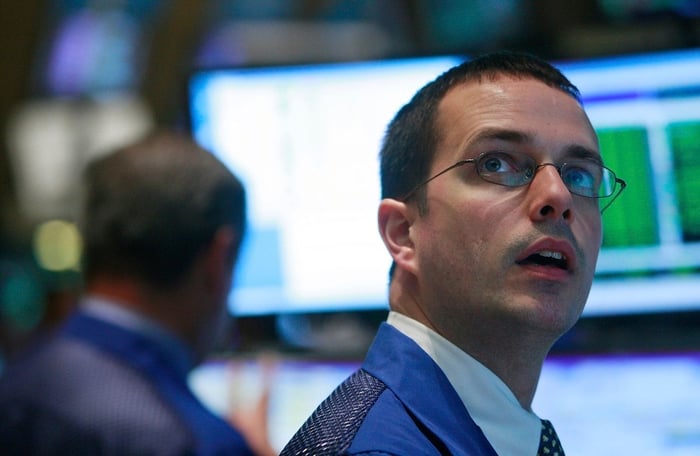
Image source: Getty Images.
How has the market done in the past?
I've analyzed the S&P 500's returns going back 30 years, and have found that half the time, January's returns were between 0% and 5%. If you're looking at a narrower gap -- gains of between 0% to 2% -- which is where this most recent month falls, that has occurred six times. And during those years, the S&P has averaged an annual return of more than 16%. Ironically, when January's returns have been between 2% and 5%, the average return was more modest at just 10%, which is in line with its long-term average.
The big takeaway here is that the first month of the year is by no means a predictor of how well the market will do. While it can be a good sign of optimism right out of the gate, there's still the rest of the year to consider; investor sentiment can change significantly, and unforeseen things will happen. Back in 2018, the index was up 5.6% after the first month of the year, but it would finish the year down 6.2%.
Remaining invested in the market remains the best long-term strategy
There are far too many factors for investors to know in February how the market will do this year. If it were that simple, it would be incredibly easy to turn a profit and avoid losses in bad years.
The reality is that there will always be volatility. If you're a long-term investor who's holding on for years or perhaps decades, then the best strategy could be to remain invested in S&P 500 index funds and just hang on. While there will be some volatility, you can be confident that history shows it will end up recovering. Meanwhile, trying to time the market can be a risky and costly strategy that you're better off avoiding.
Should you buy stock in S&P 500 Index right now?
Before you buy stock in S&P 500 Index, consider this:
The Motley Fool Stock Advisor analyst team just identified what they believe are the 10 best stocks for investors to buy now… and S&P 500 Index wasn’t one of them. The 10 stocks that made the cut could produce monster returns in the coming years.
Consider when Netflix made this list on December 17, 2004... if you invested $1,000 at the time of our recommendation, you’d have $431,111!* Or when Nvidia made this list on April 15, 2005... if you invested $1,000 at the time of our recommendation, you’d have $1,105,521!*
Now, it’s worth noting Stock Advisor’s total average return is 906% — a market-crushing outperformance compared to 195% for the S&P 500. Don't miss the latest top 10 list, available with Stock Advisor, and join an investing community built by individual investors for individual investors.
See the 10 stocks »
*Stock Advisor returns as of February 5, 2026.
David Jagielski, CPA has no position in any of the stocks mentioned. The Motley Fool has no position in any of the stocks mentioned. The Motley Fool has a disclosure policy.
Recommended Articles


