


WTI Futures (USOIL-F) Is down 6.94% on Aug 2: Why It Happened
WTI Futures (USOIL-F) is down 6.94% at Aug 2 18:20(ET), now at $80.73, with a 7-day down of 10.72%.
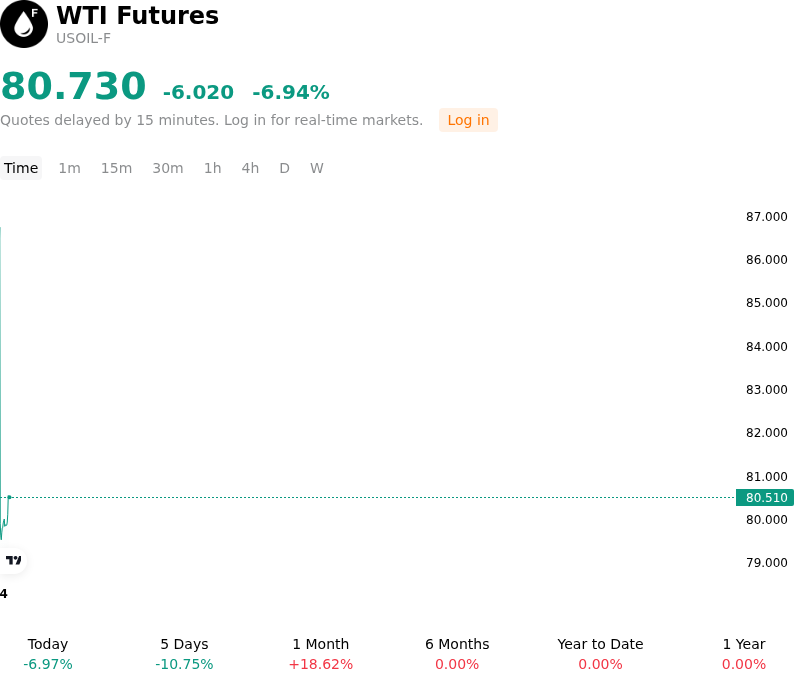
What is driving WTI Futures (USOIL-F)’s stock price down today?
The sharp decline in WTI crude oil futures is primarily driven by an unexpected shift in OPEC+ production policy, signaling an accelerated timeline for the unwinding of voluntary supply cuts. Market participants had largely anticipated a more cautious approach to returning barrels to the market, but the latest communications suggest a strategic pivot toward reclaiming market share. This development has effectively dismantled the geopolitical risk premium that had supported prices, as traders now confront a transition from a projected supply deficit to a potential surplus in the coming quarters.
Demand-side fundamentals have simultaneously deteriorated, providing further downward momentum. Recent economic data from major Asian importers, particularly China, indicated a deeper-than-expected contraction in manufacturing activity, raising concerns about the long-term structural health of global energy demand. In the domestic market, high-frequency data revealed a surprise build in refined product inventories during the height of the summer driving season. This inventory accumulation suggests that price-sensitive consumers are reducing discretionary travel, pointing to a period of demand destruction that contradicts typical seasonal strengths.
Macroeconomic headwinds have intensified the selling pressure as the US dollar strengthened following hawkish signals from central bank officials. A firmer dollar increases the cost of crude for international participants, weighing on global physical demand. Furthermore, the breach of critical technical support levels near the psychological floor of the 200-day moving average triggered a cascade of automated selling orders from systematic trend-following funds. The resulting liquidation of long positions occurred in a relatively thin liquidity environment, which significantly magnified the volatility and pace of the intraday descent.
Institutional investors are now recalibrating their outlooks as the market balance shifts toward oversupply. The primary focus for the near term has moved from supply constraints to the durability of global consumption growth. While potential production disruptions or a reversal in OPEC+ strategy remain tail risks, the prevailing sentiment is dominated by a transition toward a well-supplied market environment and a weakening global industrial cycle. Institutional capital flows reflect this caution, with a notable shift toward defensive positioning as the energy complex seeks a new equilibrium price level.
Technical Analysis of WTI Futures (USOIL-F)
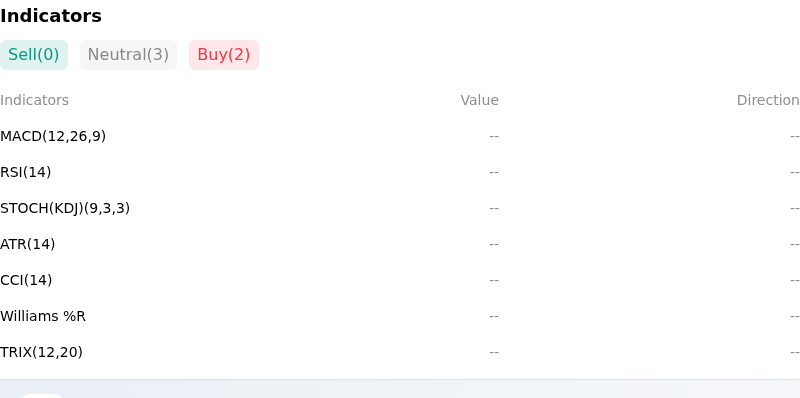
Technically, WTI Futures (USOIL-F) shows a MACD (12,26,9) value of 2.708, indicating a buy signal. The RSI at 56.496 suggests neutral condition and the Williams %R at 42.712 suggests buy condition. Please monitor closely.
More details about WTI Futures (USOIL-F)
Recent Events and Risks:
- Macroeconomic Headwinds and USD Strength: Recent hawkish commentary from central bank officials regarding a "higher for longer" interest rate environment has bolstered the U.S. Dollar, increasing the cost of WTI for international buyers and triggering risk-off flows across the energy complex.
- Unexpected Inventory Accumulation: Latest industry reports indicated a significant build in commercial crude stocks at the Cushing, Oklahoma delivery hub, suggesting that current production levels are outpacing domestic refinery intake and creating localized supply pressure.
- Deteriorating Refining Margins: A notable compression in crack spreads and reports of reduced refinery utilization rates in major consuming regions point to softening demand for finished products, which limits the immediate upside for crude feedstock prices.
- Ebbing Geopolitical Risk Premium: Successful diplomatic signals and the absence of immediate supply disruptions in key transit corridors have led to a rapid unwinding of the geopolitical risk premium, forcing speculative long positions to liquidate as prices breach technical support levels.
Recommended Articles


