


American Express Co Stock (AXP) Moved Down by 3.18% on Jul 8: Drivers Behind the Movement
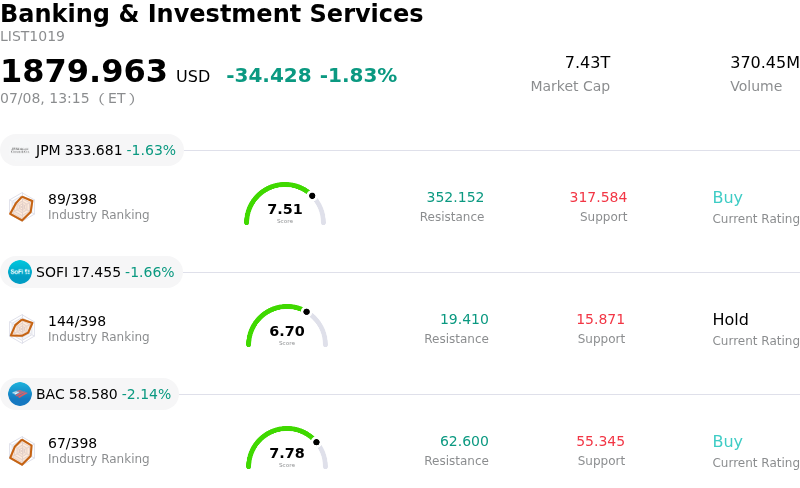
American Express Co (AXP) moved down by 3.18%. The Banking & Investment Services sector is down by 1.83%. The company underperformed the industry. Top 3 stocks by turnover in the sector: JPMorgan Chase & Co (JPM) down 1.63%; SoFi Technologies Inc (SOFI) down 1.69%; Bank of America Corp (BAC) down 2.14%.
What is driving American Express Co (AXP)’s stock price down today?
American Express (AXP) experienced significant intraday volatility and closed in negative territory on Wednesday, driven primarily by a broader market downturn linked to escalating geopolitical tensions in the Middle East. Financial markets faced a sharp sell-off globally after comments from U.S. President Donald Trump indicated that the tentative ceasefire agreement with Iran was effectively over, triggering fears of a wider and more disruptive conflict.
The abrupt breakdown in diplomatic relations immediately sent global crude oil prices surging more than five percent, which in turn stoked investor anxieties regarding renewed inflationary pressures and the potential for a tighter monetary policy environment from the Federal Reserve. This escalation sparked a pronounced risk-off shift among institutional and retail investors. Large-cap financial stocks and payment processors, including American Express, are highly sensitive to macroeconomic shifts, as geopolitical instability and rising energy costs pose a threat to discretionary consumer spending, travel activity, and overall transaction volumes.
Furthermore, American Express is uniquely exposed to travel and premium lifestyle spending. The spike in energy prices heavily weighed on the travel sector, pulling down airline and cruise lines due to fears of rising operational costs. Because a significant portion of American Express's revenue is tied to high-end travel, hospitality, and corporate entertainment, the sudden downturn in the travel ecosystem added downward pressure on its stock price.
On the micro-level, today marked the official implementation date for American Express's tighter Centurion Lounge access rules. These rules now require guests to be booked on the same flight itinerary as the primary cardholder and cap connecting layover visits at five hours. While management designed these restrictions to ease overcrowding and preserve the premium experience for individual cardholders, the changes highlight the ongoing operational and margin challenges the company faces in managing and funding its premium card benefits amid intensifying competition from other credit card issuers.
In addition to these headwinds, recent institutional portfolio adjustments may have contributed to the selling momentum. Recent regulatory filings showed that prominent investment firms, including Swedbank AB and Meitav Investment House, trimmed their stakes in American Express during the first half of the year. When combined with the heavy macroeconomic headwinds of the day, these factors collectively triggered the stock's downward movement as investors favored defensive assets over cyclical financial stocks.
Technical Analysis of American Express Co (AXP)
Technically, American Express Co (AXP) shows a MACD (12,26,9) value of 2.411, indicating a buy signal. The RSI at 65.197 suggests neutral condition and the Williams %R at 39.025 suggests buy condition. Please monitor closely.
Media Coverage of American Express Co (AXP)
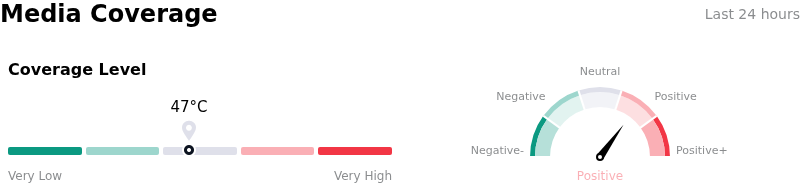
In terms of media coverage, American Express Co (AXP) shows a coverage score of 47, indicating a moderate level of media attention. The overall market sentiment index is currently in bullish zone.
Fundamental Analysis of American Express Co (AXP)
American Express Co (AXP) is in the Banking & Investment Services industry. Its latest annual revenue is $56.12B, ranking 6 in the industry. The net profit is $10.70B, ranking 10 in the industry. Company Profile
Over the past month, multiple analysts have rated the company as Buy, with an average price target of $369.02, a high of $450.00, and a low of $272.91.
More details about American Express Co (AXP)
Company Specific Risks:
- Slowing Domestic Card Acquisitions: American Express is facing a double-digit decline in new U.S. consumer card additions, dropping from a historical average of 1.5 million per quarter to 1.3 million in recent quarters. This slowdown has intensified investor concerns that higher annual fees, particularly for the premium Platinum Card, are dampening domestic customer acquisition.
- Rising Marketing and Customer Engagement Costs: To combat the slowdown in card additions and defend its market share against premium card offerings from rivals like Chase and Capital One, the company has had to aggressively increase its marketing and promotional spending. Analysts worry this increased investment will compress operating margins and leave less capital available for share buybacks and dividend growth.
- AI-Agentic Commerce Disruption: There is growing institutional and market anxiety regarding the rise of artificial intelligence and agentic commerce. Analysts caution that as automated AI agents are increasingly used to execute purchases by scanning the web for the absolute cheapest payment methods, American Express's high-fee business model and merchant premium fees could face structural pressure, prompting some migration toward lower-fee transaction rails or stablecoins.
- Valuation Premium and Insider Selling: Trading at over 22x trailing earnings and approximately 10% above its calculated intrinsic value, AXP's premium valuation leaves no room for operational error ahead of its Q2 earnings release. This valuation risk is compounded by recent insider activity, which shows executives netting over $2.4 million in share sales over the last three months.
Recommended Articles


