


Gold slumps to near $5,050 on oil-driven inflation fears, stronger US Dollar

 Trending Articles
- Gold drops below $4,700 on stronger US Dollar, Middle East tensions
- Bitcoin Returns to $79,000 Level. Prediction Markets Bullish on Breaking $80,000 in April
- Gold holds steady near $4,600 as Fed rate decision looms
- Fed FOMC Meeting Is Approaching: Where Is the Focus? Will There Be More Rate Cuts This Year?
- Goldman Sachs: Structurally Bullish on Gold to $5,400, But Warns of Short-Term Pullback
- WTI sticks to modest gains above $94.00 as Hormuz standoff fuels supply concerns
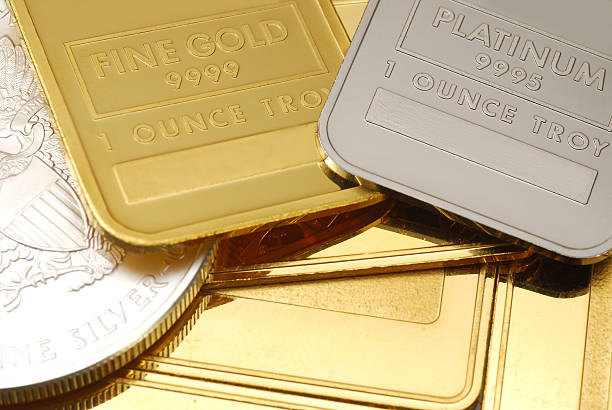
Gold price tumbles to near $5,065 in Monday’s early Asian session.
Surging oil priceshave fueled fresh inflation fears, causing traders to scale back bets on further easing by the Fed.
A disappointing US February jobs report might help limit the Gold’s losses.
Gold price (XAU/USD) falls to around $5,065 during the early Asian session on Monday, pressured by a stronger US Dollar (USD) and inflationary risks. Traders will closely monitor the developments surrounding the US-Iran conflicts and geopolitical risks in the Middle East. The US Consumer Price Index inflation report (CPI) will be in the spotlight later on Wednesday.
The precious metal faces some selling pressure as a rally in crude oil prices stokes inflation fears in the US, raising the chance that the US Federal Reserve (Fed) will hold interest rates higher for longer. Higher borrowing costs are typically negative for the non-yielding Gold price.
The US central bank is expected to hold rates steady at its upcoming meeting on March 17-18. Many economists anticipate the next rate cut will not occur until June or July 2026.
Fed Governor Christopher Waller said that he thought the rise in oil prices was "more like a one-off event" that would not require a Fed response but also acknowledged the uncertainties if the conflict persists and oil prices keep rising.
On the other hand, the weaker-than-expected US Nonfarm Payrolls (NFP) could weigh on the Greenback and lift the USD-denominated commodity price in the near term. The February jobs report showed a decline of 92,000 payrolls, while the Unemployment Rate rose to 4.4% in February from 4.3% in January.
Read more
* The content presented above, whether from a third party or not, is considered as general advice only. This article should not be construed as containing investment advice, investment recommendations, an offer of or solicitation for any transactions in financial instruments.


