




Can Bitcoin Hit a New All-Time High in 2026? What Needs to Happen for BTC to Reclaim $126K
Bitcoin investors have had a chance to breathe over the last few weeks as BTC price consolidates between the $62K and $66K range.
While the consolidation has helped ease the bleeding from the first half of the year, Bitcoin price remains down almost 50% from its $126K all-time high. Is there a chance the BTC price returns to this high in 2026? Let’s find out.
Where Bitcoin Stands Right Now
In October 2025, Bitcoin reached a new all-time high of $126,198, the third ATH of 2025. But Bitcoin had reached the ATH on an extremely high level of leveraging from buyers. As a result, prices needed to drop to deleverage the market.
But no one in the BTC investment community was ready for the bear market that ensued. Bitcoin price has declined around 50% from its highs since October. Currently, Bitcoin’s price is hovering between $63k and $65k, but in June it reached as low as $58K.
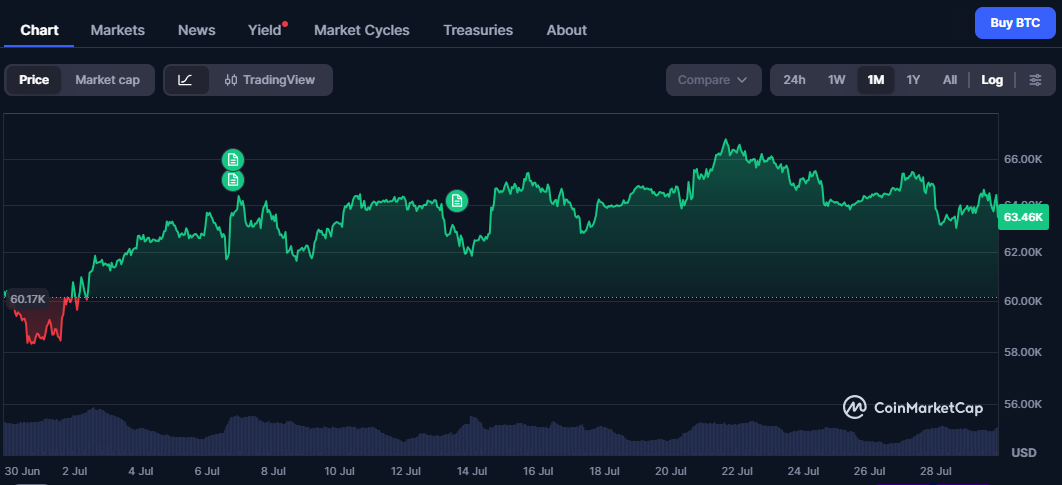
As Bitcoin price plunged, institutional investors moved funds away from Bitcoin, with most going into the booming AI space. Currently, Bitcoin seems to have stabilized, but passive interest will not get BTC over $126K, though. Let’s see what can send BTC back to its ATH.
What Needs to Happen for BTC to Reclaim $126K
To break above the current ATH of $126K, Bitcoin needs a few critical economic engines firing at the same time.
Strong Corporate and Sovereign Treasury Buying
Public companies such as MicroStrategy have demonstrated that it is possible to own BTC on corporate balance sheets. If Bitcoin is going to hit the $126K mark, more businesses must do the same.
In 2026, the sentiment of the Bitcoin market will rapidly change if any major company in the S&P 500 or nation-state declares new Bitcoin reserves. Large buyers provide firm price floors and can push BTC to $126,000.
Spot ETFs Must See Strong Inflows
Spot Bitcoin ETFs came into the picture. The heavy buying of ETFs drove the run to $126K. However, there has been massive outflows over the last few months. If they are going to achieve that success again, institutional flows need to ramp up.
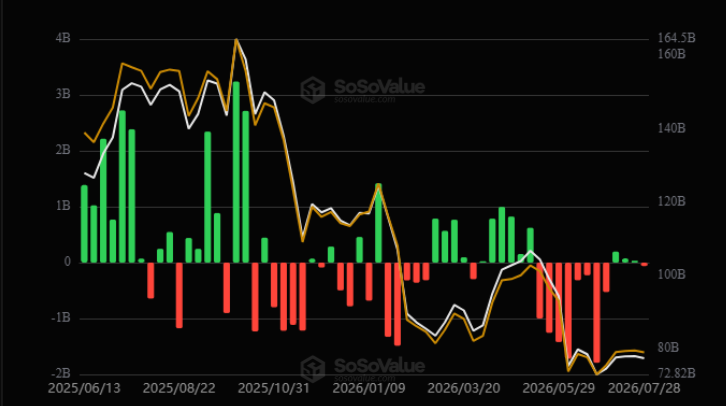
Retirement funds/asset managers should continue to purchase. Without retail inflows, BTC price is not going to be valued at $126,000 before the end of 2026.
Global Central Banks Must Lower Rates
Bitcoin flourishes when the money is cheap. Cash is trapped in low-risk government bonds when rates are high. Reduced rates from central banks lead to liquidity flowing into growth assets and cryptocurrencies.
Capital will return to risk assets if Fed and global central banks cut rates through 2026. If the rate stays unchanged, then a big rally will not get its momentum going.
The Supply Squeeze from the 2024 Halving Needs to Kick In
Bitcoin has historically reached its all time highs approximately 12-18 months following a halving. The April 2024 halving reduced the block reward by half. Coins are mined less and less each day.
When demand stays steady while new supply stays low, prices eventually jump. We saw the initial boost in 2025. A secondary supply squeeze could unfold in late 2026 as exchange reserves dry up.
What Risks Could Block a New All-Time High?
Bitcoin price almost never moves in a straight line. There are a number of risks that could get in the way of a $126K return:
- Sticky Inflation: In case inflation persists at the current level, then the central banks will continue to maintain high interest rates for a longer period.
- Regulatory Roadblocks: Unpredictable regulations by the government may halt market momentum.
- Macroeconomic Slowdown: If the broad stock market collapses, then money will be forced to liquidate their cryptos to make a profit elsewhere.
However, if these headwinds converge, then Bitcoin could consolidate within the range of $50,000 to $70,000 until the end of 2026.
Final Verdict: Will BTC Reach $126K in 2026?
Historically, we’ve seen Bitcoin pull off much bigger gains in very short timeframes during bull markets. Between July and November 2013, Bitcoin gained 1,470% and 440% between July and December 2017.
Data and the time periods suggest Bitcoin hitting $126K, a 93% increase from the current price, is within the realm of BTC possibility. However, for this to happen, there needs to be a flurry of major events like 2020’s institutional wave for this to happen.
If there are major government policies across the globe, leading to a massive return of funds back into Bitcoin and its ETF products, or a major global event shifts the landscape, we could see one of BTC’s rapid rises towards a new ATH. Only under those conditions do we see BTC price returning to a new ATH.
Recommended Articles


