




Silver has steadied after its sharp sell-off — but can it hold?
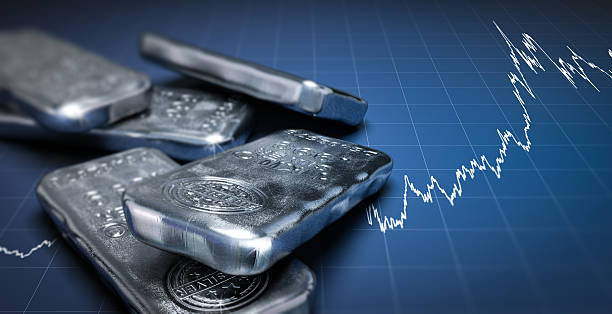
Silver has just shown why it can be a more volatile trade than gold. The metal has been hovering around US$60 an ounce for the past month as a softer US dollar and renewed precious-metals buying brought dip-buyers back into the market following its violent selloff this year. But the rebound soon faltered as renewed Middle East escalation pushed oil above US$100 a barrel, lifting inflation concerns, Treasury yields and the US dollar.
Silver has since slipped back below US$60, still well below its record above US$120 earlier this year but more than 50% higher than a year ago. The immediate question is whether this is another setback in a broader recovery, or evidence that higher-for-longer interest rates are again taking control.
For Australian traders, the story is more complicated than a simple safe-haven trade. Silver is being pulled between rising macro pressure and a physical market that remains tight in key industrial centres.
Silver is caught between a physical squeeze and macro headwinds
Several forces are now competing for control of silver’s next move.
The market is therefore receiving two very different signals. Higher oil prices may be supportive for inflation hedging, but they can also strengthen the case for higher interest rates, which has recently hurt both gold and silver. That tension makes silver’s physical supply story especially important.
Why India’s silver shortage matters beyond its domestic market
India’s import restrictions have created a shortage of silver in its domestic market, with local prices trading more than 10% above global benchmarks.
The restrictions began in May and were later extended to silver grain and powder. India’s silver imports fell from 534.3 metric tonnes in May 2025 to just 46.8 tonnes in May 2026.
That does not automatically mean global silver prices will rise. Indian buyers can delay purchases, draw on existing inventories or switch to alternatives where possible. But it does show that the price quoted on an international chart is only part of the picture.
For traders, the key point is that silver has both monetary and industrial characteristics. It can fall with gold when yields and the US dollar rise, while also reacting to demand from electronics, solar, jewellery and investment markets.
Why silver is harder to read than a simple precious-metals trade
Silver is being driven by forces that can point in opposite directions simultaneously. That makes the next move less straightforward than simply deciding whether demand for precious metals is rising or falling.
Higher oil prices can cut both ways: They can support inflation-hedging demand, but they can also lift Treasury yields and the US dollar, which tends to pressure non-yielding metals.
Physical tightness does not set the global price on its own: India’s elevated domestic premiums show that available supply is constrained in one major market. But global silver pricing can still be dominated in the short term by US rates, currency moves and investor positioning.
Industrial demand creates a second set of signals: Demand from solar, electronics and data-centre infrastructure supports the longer-term case, but weaker manufacturing data or a broader risk-off move can quickly overshadow it.
Silver can move differently from gold: Both metals react to yields and the dollar, but silver’s industrial exposure often makes it more sensitive when growth expectations change.
A rebound can reverse before the underlying story changes: Silver may attract buyers near key technical levels, only to fall again if inflation data, Fed commentary or geopolitical headlines strengthen the dollar.
The result is a market where traders need to assess which force is dominant: physical and industrial support, or the macro pressure coming from yields and the US dollar.
CFDs allow traders to take a view on that changing balance without needing to own the underlying metal. A long position may suit a view that physical tightness and a softer dollar will support prices; a short position may suit a view that higher yields will remain the stronger driver.
“Trade Silver with an ASIC-regulated broker. Fast AUD funding via PayID. ”
How Mitrade helps traders respond to a two-way silver market
Mitrade gives Australian traders a way to respond when silver’s macro and physical signals begin to align, or when one starts to outweigh the other.
Take a view on the dominant catalyst: Traders can go long if they expect falling yields, a weaker dollar or tighter physical supply to support silver. They can go short if stronger inflation data and rising yields look more likely to pressure the price.
Plan around known risk events: US inflation releases, Federal Reserve decisions and major Middle East developments can all reshape the silver outlook quickly. Pending orders, stop-losses and take-profit levels can help define a plan before volatility picks up.
Focus on silver’s own price action: Traders can follow whether silver holds or breaks key levels, rather than relying solely on a view of gold, oil or the broader precious-metals market.
Manage exposure carefully: Retail commodity CFDs can offer leverage of up to 20:1 under ASIC rules. This reduces the initial margin required, but it also magnifies losses as well as gains.
Silver does not need to return to its recent highs for volatility to remain elevated. The next shift in inflation expectations, yields or physical demand could be enough to create another sharp move.
“Trade Silver with an ASIC-regulated broker. Fast AUD funding via PayID. ”
What could drive silver’s next move?
Silver traders will be watching whether the latest macro headwinds ease, or whether physical demand starts to matter more.
Middle East developments and oil prices: Further disruption to energy supplies could keep inflation fears and bond yields elevated. A credible easing of tensions could reverse that pressure.
The Federal Reserve’s policy message: Any shift in the Fed’s inflation or rate outlook could affect the US dollar and Treasury yields, two of silver’s most important short-term drivers.
US inflation data: A stronger-than-expected result could reinforce higher-rate expectations. A softer reading may ease pressure on non-yielding metals.
India’s import policy and physical premiums: Continued tightness could maintain pressure in the domestic market, while any easing of restrictions may reduce that support.
Industrial-demand signals: News from electronics, solar, electric-vehicle and data-centre investment can influence the longer-term demand case for silver.
The two-way risk is clear. Silver could benefit if the dollar weakens and physical tightness persists, but it remains vulnerable if oil-driven inflation keeps pushing yields higher.
Trade silver CFDs with Mitrade
Silver can react quickly when macro expectations collide with physical supply and industrial demand. Mitrade gives Australian traders practical tools for following those moves:
CFDs on silver-price movements
Long and short positions in rising or falling markets
Charts, pending orders, stop-losses and take-profit tools
AUD account funding, with margin and profit or loss displayed in Australian dollars
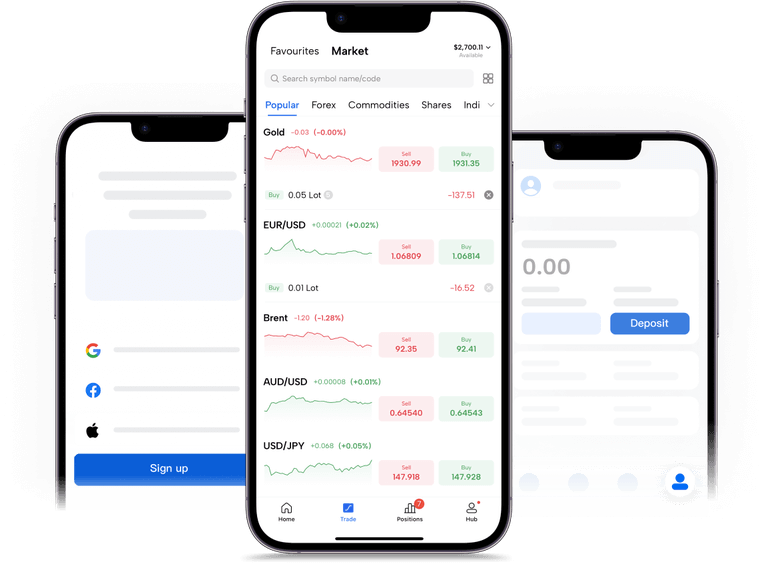
Mobile access for following overnight market moves
ASIC regulation, with retail client funds held in segregated trust accounts
A free $50,000 demo account to practise before trading with real capital
CFDs are complex instruments and carry a high risk of losing money rapidly due to leverage. Traders should ensure they understand how CFDs work and consider whether they can afford the high risk of losing their money.
Start trading silver in three simple steps
Open an account: Register through the Mitrade homepage or use the fast sign-up process with an existing Google or Facebook account.
Fund in Australian dollars: Deposit initial margin using supported payment methods, including POLi or Visa/Mastercard.
Choose a direction: Select silver, define risk parameters and place a long or short CFD trade based on the market view.
Silver is being shaped by more than one story right now. Open your Mitrade account today and use the demo account to practise responding to the next move.


1. Why is silver falling when oil prices are rising?
Higher oil prices can increase inflation concerns, but they can also push bond yields and the US dollar higher. That can pressure non-yielding assets such as silver, even when geopolitical risk is elevated.
2. Can traders benefit if silver prices fall?
CFDs allow traders to take short as well as long positions. A short position may benefit if silver falls, although losses can occur if the price rises instead.
3. Is silver mainly a precious metal or an industrial commodity?
It is both. Silver can react to interest rates, inflation and the US dollar like gold, while also responding to industrial demand from electronics, solar, electric vehicles and other manufacturing uses.
Disclaimer: The content presented above, whether from a third party or not, is considered as general advice only. CFD trading involves significant risk of loss. Past performance does not guarantee future results. This article serves informational purposes only and does not constitute financial advice. Consider your risk tolerance before trading.


