




Crypto’s old guard is fading as Wall Street races to reshape the market - see what it means for traders

Two established names from crypto’s early trading era are winding down just as Wall Street pushes to rewrite the rules for the industry’s next phase.
BitMEX helped popularise perpetual futures, the high-leverage contracts that became central to crypto trading. BitMart built a global retail exchange offering spot and derivatives markets alongside its BMX token. Both are now preparing to end operations, highlighting how much harder it has become for smaller or legacy platforms to compete on liquidity, compliance and customer trust.
At the same time, Wall Street is pushing in the opposite direction. BlackRock, Fidelity and other financial heavyweights are backing the US CLARITY Act, a proposed market-structure law intended to establish clearer federal rules for digital assets. Circle has also acquired IBM’s blockchain patent portfolio, giving the USDC issuer nearly 1,000 issued patents and a deeper foothold in the infrastructure behind tokenised finance.
For Australian crypto traders, the market is no longer only about the next Bitcoin or Ethereum move. It is becoming a test of which businesses, platforms and regulations will shape the next phase of adoption.
Crypto’s old guard is under pressure while institutions build
he latest developments point to a market separating into two very different paths.
Some older platforms are shrinking or closing, while large financial firms are lobbying for rules that could make digital assets easier to integrate into regulated markets.
That does not guarantee higher crypto prices. But it could change which parts of the industry attract capital, customers and long-term trading interest.
Why this is more than an exchange-closure story
The closure of one exchange does not determine the direction of Bitcoin, Ethereum or the broader crypto market. BitMEX now represents only a small share of global trading activity. However, its departure is still significant because it illustrates how the industry is evolving.
Scale is becoming more important: Large platforms can spread technology, compliance and security costs across a broader customer base. Smaller operators may struggle to keep up.
Trust can affect exchange-linked tokens quickly: BMX’s sharp decline after BitMart’s announcement shows that a token can carry direct exposure to a platform’s reputation, trading activity and future viability.
Regulation is becoming a competitive factor: Clearer rules may help some firms expand, but they can also increase the cost of operating for businesses that lack the capital or infrastructure to adapt.
Institutional adoption is shifting towards infrastructure: Circle’s patent acquisition is not a speculative token launch. It is a bet on the technology and legal foundations needed for payments, tokenised assets and onchain financial services.
The market may become more concentrated: The next phase of crypto adoption may favour regulated platforms, stablecoin issuers, custodians and infrastructure providers over the wide range of exchanges that defined earlier cycles.
The immediate market effect may be limited. The longer-term question is whether stricter rules and deeper institutional involvement make crypto more durable, or simply concentrate more power among a smaller number of major players.
Contracts for Difference (CFDs) allow traders to take a view on crypto-price movements without directly owning the underlying coins. That can be useful when the market is reacting to industry news, but the direction remains uncertain.
“Trade Crypto with an ASIC-regulated broker. Fast AUD funding via PayID. ”
How Mitrade helps traders respond to crypto-market change
Crypto regulation and exchange news can affect sentiment quickly, especially when traders are already weighing interest rates, risk appetite and broader technology-market conditions.
Mitrade gives Australian traders a way to focus on the price reaction in major cryptocurrencies rather than trying to predict every winner and loser across the exchange market.
Take a long or short view: A long position may suit a view that regulatory clarity and institutional adoption will support crypto sentiment. A short position may suit a view that exchange failures, tighter rules or weaker risk appetite will pressure prices.
Focus on major crypto price movements: Bitcoin and Ethereum can react to shifts in institutional flows, regulation and market confidence without carrying the company-specific risk of an individual exchange token.
Prepare for known risk events: Pending orders, stop-losses and take-profit levels can help define risk before a Senate vote, regulatory announcement or major market headline.
Follow a 24-hour market: Crypto can move outside Australian sharemarket hours, making mobile monitoring useful when developments occur in the US, Europe or Asia.
Use leverage carefully: Retail crypto CFDs can offer leverage, reducing the margin required to open a position. It also magnifies losses as well as gains.
The key is not to assume that institutional adoption makes every crypto asset safer or that an exchange closure signals a market-wide collapse. Traders still need to assess how each development changes confidence, liquidity and demand.
“Trade Crypto with an ASIC-regulated broker. Fast AUD funding via PayID. ”
What could drive crypto next?
The market will be watching whether the latest industry shakeout gives way to clearer rules and stronger institutional participation.
Progress on the CLARITY Act: Any Senate movement could affect expectations for US oversight, custody and market access.
More Wall Street endorsements: Support from additional banks, asset managers or payments firms could reinforce the case for regulated crypto infrastructure.
Stablecoin growth and regulation: Circle’s IBM deal puts more attention on USDC, payments and tokenisation. The next question is whether that infrastructure translates into wider usage.
Further exchange consolidation: More closures, mergers or compliance actions could reshape liquidity and confidence across the market.
Bitcoin and Ethereum price action: Major coins will still respond to ETF flows, interest-rate expectations, risk sentiment and the US dollar.
Global regulatory decisions: Developments in Asia and Europe can matter just as much as US legislation for exchanges and global crypto liquidity.
Crypto’s next move may come from a price chart, but the bigger shift is happening beneath it: the industry is becoming more regulated, more institutional and less forgiving of platforms that cannot keep pace.
Trade crypto CFDs with Mitrade
Crypto markets can move sharply when regulation, exchange news and institutional adoption change the market’s outlook. Mitrade gives Australian traders practical tools for responding to those moves:
CFDs on major cryptocurrencies
Long and short positions in rising or falling markets
Charts, pending orders, stop-losses and take-profit tools
AUD account funding, with margin and profit or loss displayed in Australian dollars
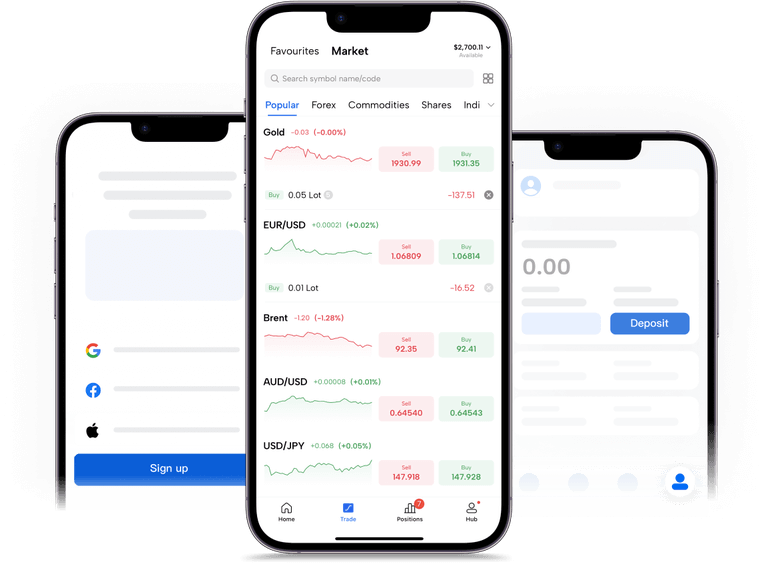
Mobile access for following 24-hour crypto markets
ASIC regulation and a free $50,000 demo account to practise before trading with real capital
CFDs are complex instruments and carry a high risk of losing money rapidly due to leverage. Traders should ensure they understand how CFDs work and consider whether they can afford the high risk of losing their money.
Start trading crypto in three simple steps
Open an account: Register through the Mitrade homepage, or use the fast sign-up process with an existing Google or Facebook account.
Fund in Australian dollars: Deposit initial margin using supported payment methods, including POLi or Visa/Mastercard.
Choose the market view: Select a cryptocurrency, set risk parameters and take a long or short CFD position based on the market outlook.
The crypto market is changing well beyond the daily price moves. Open your Mitrade account today and use the demo account to practise before the next major catalyst.


1. Why are BitMEX and BitMart closing?
Both exchanges announced wind-down plans, but neither closure should be treated as proof that the wider crypto market is failing. The more relevant signal is the pressure that competition, compliance costs and changing customer preferences can place on smaller or legacy platforms.
2. Could the CLARITY Act affect crypto prices?
It could affect sentiment, particularly if it gives firms and institutional investors greater certainty about how US digital-asset markets will be regulated. However, legislation remains subject to negotiation and approval, and it would not determine crypto prices on its own.
3. Can traders benefit if crypto prices fall?
CFDs allow traders to take short as well as long positions. A short position may benefit if the selected cryptocurrency falls, although losses can occur if the market rises instead.
Disclaimer: The content presented above, whether from a third party or not, is considered as general advice only. CFD trading involves significant risk of loss. Past performance does not guarantee future results. This article serves informational purposes only and does not constitute financial advice. Consider your risk tolerance before trading.


