




Crypto firms are betting big in Washington — what traders need to watch

Crypto markets are used to reacting to ETF flows, interest-rate expectations, liquidity and risk appetite. But a new catalyst is becoming harder to ignore: the 2026 US midterm election cycle.
According to research from consumer advocacy organization Public Citizen, Crypto companies spent US$189 million in the first half of 2026 alone, trying to influence the November US elections. That already exceeds the industry’s estimated US$170 million spending during the entire 2024 cycle.
The money does not guarantee that Congress will pass the rules the industry wants. Nor does it mean every pro-crypto candidate will win. But it shows that exchanges, stablecoin issuers, venture firms and token projects see US regulation as central to the sector’s next phase.
For crypto traders, primary results, Senate negotiations and progress on market-structure legislation could now become as relevant as a major ETF flow update or a shift in Federal Reserve expectations.
Why Washington is becoming a crypto-market catalyst
The political focus is on a clearer US framework for digital assets. That includes stablecoin oversight, exchange regulation, token classification and the division of responsibility between US financial regulators.
A workable framework could reduce uncertainty for institutions considering crypto products, payments and blockchain settlement. A delayed bill, tougher conditions or another enforcement dispute could do the opposite.
The immediate market reaction will depend on what traders had already expected. A positive policy headline may be bullish only if it is stronger or earlier than anticipated. A disappointing vote could spark a sharp fall if the market had been positioned for progress.
Contracts for Difference (CFDs) allow traders to take a long view if a primary result, legislative breakthrough or clearer regulatory framework improves sentiment. They can also take a short view if a Senate delay, enforcement action or election result gives the market a reason to reduce its expectations again.
Unlike buying tokens directly, crypto CFDs allow traders to speculate on price movements without purchasing, transferring or storing the underlying cryptocurrency.
“Trade Crypto with an ASIC-regulated broker. Fast AUD funding via PayID. ”
Regulation may not affect every cryptocurrency equally
Bitcoin is often the first market traders watch when crypto sentiment changes. As the largest and most liquid cryptocurrency, it can reflect the broad market’s view on institutional adoption, risk appetite and US policy direction.
However, regulation may create a more uneven reaction across crypto assets.
Bitcoin may respond to broad sentiment. A more supportive policy environment could strengthen expectations around institutional access and mainstream adoption. A setback may instead trigger a wider risk-off move.
Ethereum could be more exposed to policy around staking and decentralised finance. These areas face more complex regulatory questions than Bitcoin’s role as a digital asset.
Stablecoin developments can affect the wider market. Clearer rules could influence payments, blockchain settlement and exchange liquidity, even for traders who do not hold stablecoins directly.
Altcoins may move more sharply than Bitcoin. Smaller tokens can have lower liquidity and may be more sensitive to changing views on exchange listings, securities laws and enforcement.
That is why political headlines should not be treated as a simple “crypto up” or “crypto down” event. The key question is which part of the market is most exposed to the development — and whether the news changes the outlook already priced into the market.
How US political headlines can disrupt crypto’s 24-hour market
Crypto trades continuously, so markets can react to a US primary result, a Senate setback or a surprise enforcement action within minutes.
The more difficult question is whether the first move reflects a genuine change in the regulatory outlook. A headline suggesting progress can lift prices sharply, only to fade once traders assess the detail of a bill, its likelihood of passing, or what had already been priced in.
For Australian traders using direct crypto ownership, this can create several practical challenges:
Political headlines can produce false starts. The market may initially react to a candidate comment or committee vote before reversing as more information emerges.
Spot crypto ownership is generally built for a rising-price view. Buying tokens provides exposure if regulatory optimism lifts the market, but it does not offer the same flexibility when a policy delay or enforcement action weakens sentiment.
Different assets may react in different ways. Bitcoin may reflect broad risk appetite, while Ethereum, stablecoin-linked assets and smaller tokens could be more exposed to the specific regulatory issue.
Following several tokens can mean managing several moving parts. Exchange accounts, wallet security, transfers and token availability can add complexity when markets are reacting quickly.
Political news is only one factor. ETF flows, interest-rate expectations, the US dollar, liquidations and equity-market sentiment can still overpower an election or regulatory headline.
Trade crypto policy volatility with Mitrade
Mitrade allows eligible traders to follow cryptocurrency price movements through CFDs, without purchasing, transferring or storing the underlying coins.
Take a long or short view: Trade rising prices if policy progress improves sentiment, or falling prices if a political development causes the market to reassess its expectations.
Follow major crypto markets from one platform: Monitor price movements without opening multiple exchange accounts or managing private keys.
Prepare for a sharp reaction: Stop-loss, take-profit, and trailing-stop orders can help define an exit strategy before volatility accelerates.
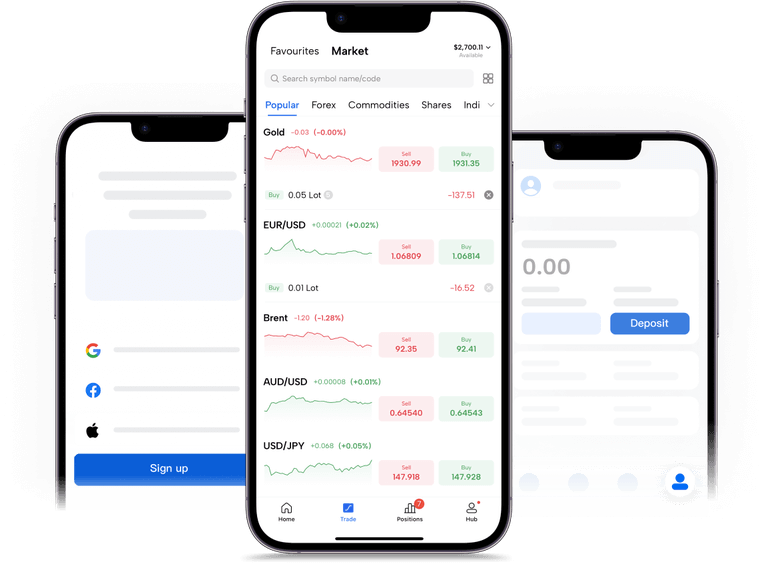
Track the market on web or mobile: Monitor open positions and crypto price action as policy developments unfold.
Remember, CFDs are leveraged products. Leverage can increase potential gains, but it can also amplify losses — particularly when a political headline triggers a rapid market move.
“Trade Crypto with an ASIC-regulated broker. Fast AUD funding via PayID. ”
What could drive crypto’s next political move?
Further spending by crypto-backed political groups: New funding announcements may reveal which races the industry sees as most important.
Primary election results: Victories or losses for candidates with clear crypto-policy positions could shift expectations before November.
Progress on market-structure rules: Any sign that US lawmakers are moving towards, or away from, a workable framework could affect sentiment across the sector.
Stablecoin implementation: Traders will be watching whether the new framework supports greater use of stablecoins in payments and blockchain settlement.
Regulatory enforcement and court cases: Agency actions can still create abrupt volatility while Congress debates longer-term rules.
ETF flows and the macro backdrop: Institutional demand, interest-rate expectations and broader risk appetite will remain major drivers of Bitcoin and Ethereum.
Be ready for the next crypto-policy headline with Mitrade
The 2026 midterms will not determine crypto prices on their own. Still, the scale of the industry’s political spending suggests that regulation is no longer a background issue for digital-asset markets.
As primary contests unfold and Congress debates the next phase of crypto rules, traders may face more event-driven volatility across Bitcoin, Ethereum and other major cryptocurrencies.
Mitrade provides a way to trade crypto CFDs from a single platform, with long and short positions, integrated charting tools, risk-management features and access through desktop or mobile.
Eligible traders can also use a free demo account with virtual funds to explore the platform and practise a strategy before trading with real capital.
Start trading crypto CFDs in three simple steps
Open an Account: Register manually via the Mitrade homepage, or use the fast sign-up process by linking your existing Google or Facebook credentials.
Fund Your Account: Deposit your initial margin using secure Australian payment methods, including POLi or Visa/Mastercard.
Trade crypto CFDs: Search for a cryptocurrency market, review the chart and relevant political or market catalysts, then choose whether to take a long or short position. Use stop-loss and take-profit levels to manage risk before placing the trade.
Follow the policy headlines shaping crypto markets and trade the price moves with Mitrade. Open your Mitrade account today.


1. Can US election results affect Bitcoin and Ethereum prices?
Yes. Election results and policy developments can affect expectations around crypto regulation, institutional participation and exchange oversight. However, crypto prices are also influenced by ETF flows, interest rates, liquidity, technical trading and broader risk sentiment.
2. Can Australian traders legally trade crypto CFDs?
Yes. CFDs are legal in Australia when offered by an appropriately regulated provider. Mitrade is regulated by ASIC and offers eligible traders access to cryptocurrency CFDs.
3. Can crypto CFDs be used when prices fall?
Yes. CFDs allow traders to take either a long position if they expect a cryptocurrency to rise or a short position if they expect it to fall. Losses can be significant, particularly when leverage is used, so risk-management tools are important.
Disclaimer: The content presented above, whether from a third party or not, is considered as general advice only. CFD trading involves significant risk of loss. Past performance does not guarantee future results. This article serves informational purposes only and does not constitute financial advice. Consider your risk tolerance before trading.


