




Brent Futures (UKOIL-F) Drops on Jul 26: Key Factors to Watch
Brent Futures (UKOIL-F) is down 6.53% at Jul 26 18:20(ET), now at $86.54, with a 7-day down of 1.73%.
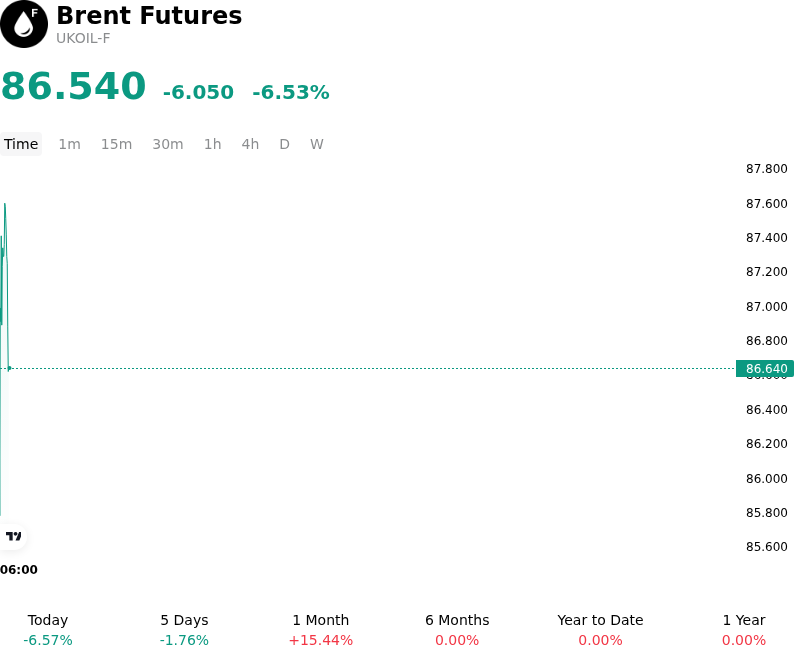
What is driving Brent Futures (UKOIL-F)’s stock price down today?
The sharp sell-off in Brent crude is primarily driven by a significant shift in OPEC+ production strategy expectations. Market participants are reacting to reports suggesting that key member nations may be preparing to accelerate the unwinding of voluntary production cuts ahead of previously signaled timelines. This perceived pivot from price defense toward a focus on market share has introduced immediate concerns regarding a looming surplus in the global oil balance. The prospect of additional barrels entering the market at a time when non-OPEC production, particularly from the United States and Guyana, remains at record highs has fundamentally undermined the supply-side support that characterized the previous quarter.
Simultaneously, deteriorating demand signals from major consuming economies are weighing heavily on the pricing complex. Recent industrial activity data from China indicates a persistent slowdown in manufacturing and construction, suggesting that the anticipated seasonal uptick in energy consumption is failing to materialize. In the United States and Europe, recent macroeconomic indicators have heightened fears that high real interest rates are beginning to exert a more pronounced drag on transportation and industrial fuel demand. This synchronization of weakening demand across the world's largest economic blocs has led institutional investors to aggressively revise their consumption forecasts lower for the second half of the year.
The scale of the decline was further amplified by institutional capital flows and technical positioning. The breach of critical psychological and technical support levels triggered a cascade of liquidation from systematic trend-following funds and commodity trading advisors. As long positions were unwound, the lack of immediate physical buying interest resulted in a liquidity vacuum, accelerating the downward move. Furthermore, a broader strengthening of the US Dollar has increased the cost of crude for international holders of other currencies, providing an additional headwind to global spot demand.
Looking forward, the market remains focused on the upcoming inventory reports to gauge the extent of current oversupply. The primary risk for investors remains the potential for further divergence between OPEC+ policy and global demand realities. While geopolitical tensions in key transit corridors persist, the market is currently prioritizing the physical supply-demand imbalance over political risk premiums. Until there is a clear stabilization in Chinese manufacturing data or a definitive reaffirmation of production discipline from leading exporters, the outlook for Brent remains pressured by the transition from a perceived deficit to a structural surplus.
Technical Analysis of Brent Futures (UKOIL-F)
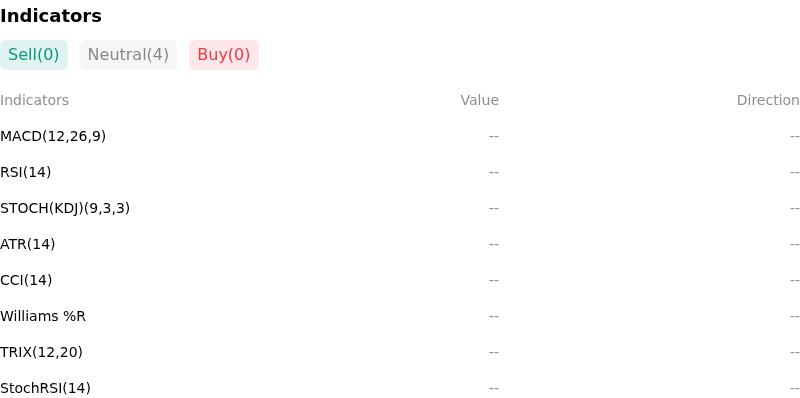
Technically, Brent Futures (UKOIL-F) shows a MACD (12,26,9) value of 0.000, indicating a neutral signal. The RSI at 64.139 suggests neutral condition and the Williams %R at 12.095 suggests overbought condition. Please monitor closely.
More details about Brent Futures (UKOIL-F)
Recent Events and Risks:
- Geopolitical Risk Premium Erosion: Renewed diplomatic efforts and signs of progress in regional ceasefire negotiations have led to a sharp unwind of the "war premium" previously baked into Brent prices, triggering intraday long liquidation as the perceived threat to Middle Eastern supply routes diminishes.
- Chinese Industrial Demand Weakness: Recent data indicating a slowdown in Chinese refinery throughput and lackluster manufacturing activity has heightened concerns that the world's largest importer will not meet seasonal demand expectations, placing immediate downward pressure on the global balance.
- Hawkish Monetary Policy Sentiment: Sticky inflation data from major economies over the last 48 hours has reinforced a "higher-for-longer" interest rate narrative, which strengthens the USD and increases borrowing costs, thereby dampening global industrial energy consumption and curbing investor appetite for risk assets.
- Inventory Build Concerns: Unexpected increases in commercial crude stockpiles reported in recent industry data have signaled a potential near-term supply overhang, particularly as refinery maintenance schedules and logistical bottlenecks in key Atlantic Basin hubs limit immediate crude absorption.
Recommended Articles


