




2 Cryptocurrency Tax Rule Changes Going Into Effect in 2026
Key Points
The new 1099-DA form will track crypto trades like stock sales.
Crypto traders need to report their cost basis for each separate exchange or wallet.
These rules could make cryptocurrencies more appealing for institutional investors.
- 10 stocks we like better than Bitcoin ›
Filing taxes can be confusing for cryptocurrency investors. In the earliest days, crypto trades weren't taxed or regulated. But in March 2014, the IRS issued Notice 2014-21, officially classifying all cryptocurrencies as property rather than currency. That meant selling cryptocurrencies for dollars, trading one crypto for another, or buying goods and services with crypto were all taxable events.
In 2019, the IRS tightened up its enforcement of those rules by adding a crypto question to Form 1040 and aggressively auditing crypto holders. The top exchanges also started issuing 1099 forms to comply with those rules. As we head into the 2026 tax filing season, investors should be aware of two other significant changes.
Where to invest $1,000 right now? Our analyst team just revealed what they believe are the 10 best stocks to buy right now, when you join Stock Advisor. See the stocks »
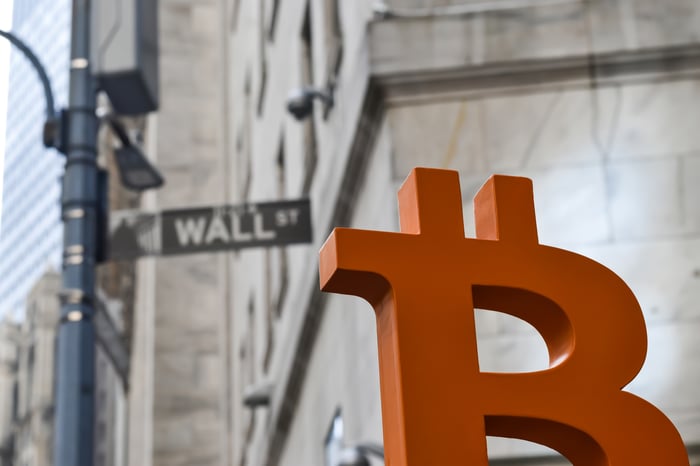
Image source: Getty Images.
1. Form 1099-DA
Starting in the 2025 tax year, all crypto brokers -- including centralized exchanges like Coinbase (NASDAQ: COIN) and specific decentralized platforms -- must issue a new form, 1099-DA, to their users to record their cost basis, sales, trades, and disposals of digital assets.
The dates and cost basis for those trades will serve as a baseline for capital gains tax calculations. That change will standardize all crypto trades in the same manner as stock trades, but it could diminish the appeal of cryptocurrencies among casual or tax-arbitrage traders. Yet at the same time, that clarity might make cryptocurrencies more appealing for conservative retail or institutional investors.
2. Per-Wallet/Exchange Cost Basis Reporting
The second change is a new requirement to track and report the cost basis for all crypto assets held separately across different wallets and exchanges. For example, if you bought Bitcoin (CRYPTO: BTC) on both Coinbase and Robinhood (NASDAQ: HOOD), you'll need to report the cost basis specific to each exchange separately. The 1099-DA forms will simplify that process, but it's more complicated than the previous method of lumping together all holdings of a single token across multiple platforms as a single asset.
What does this mean for crypto investors?
These tighter IRS rules might be frustrating for crypto investors, but they also imply that cryptocurrencies aren't fads that will fizzle out within the next few years. Investors who want some exposure to the cryptocurrency market but don't want to deal with these exchange- and wallet-specific rules should consider investing in the growing list of exchange-traded funds (ETFs) for the market's top cryptocurrencies. Those ETFs can be easily traded like stocks, and their gains and losses are reported in the same manner.
Should you buy stock in Bitcoin right now?
Before you buy stock in Bitcoin, consider this:
The Motley Fool Stock Advisor analyst team just identified what they believe are the 10 best stocks for investors to buy now… and Bitcoin wasn’t one of them. The 10 stocks that made the cut could produce monster returns in the coming years.
Consider when Netflix made this list on December 17, 2004... if you invested $1,000 at the time of our recommendation, you’d have $446,319!* Or when Nvidia made this list on April 15, 2005... if you invested $1,000 at the time of our recommendation, you’d have $1,137,827!*
Now, it’s worth noting Stock Advisor’s total average return is 932% — a market-crushing outperformance compared to 197% for the S&P 500. Don't miss the latest top 10 list, available with Stock Advisor, and join an investing community built by individual investors for individual investors.
See the 10 stocks »
*Stock Advisor returns as of February 3, 2026.
Leo Sun has no position in any of the stocks mentioned. The Motley Fool has positions in and recommends Bitcoin. The Motley Fool recommends Coinbase Global. The Motley Fool has a disclosure policy.
Recommended Articles


