


5 Major Economic Implications of UAE Leaving the OPEC Oil Pact
The United Arab Emirates’ reported decision to leave OPEC would mark a major break inside the global oil system.
OPEC is a group of oil-producing countries that coordinates output to influence oil prices. In simple terms, members agree on how much oil to pump. Lower supply usually supports prices. Higher supply usually pressures prices lower.
For the UAE, leaving means more freedom. It can produce more oil without following OPEC quotas. That matters because Abu Dhabi has invested heavily to expand production capacity, reportedly toward about 5 million barrels per day.
1. Oil Prices May Become More Volatile
The immediate impact is uncertainty. Traders will focus on whether the UAE increases production quickly or slowly.
In the short term, oil prices may stay high if markets remain nervous about the ongoing Iran conflict and regional supply risks. Conflict near the Strait of Hormuz matters because a large share of global oil trade passes through that route.
Over time, the move leans bearish for oil. If the UAE pumps more, global supply rises. That can push prices lower, especially if demand weakens in China, Europe, or the US.
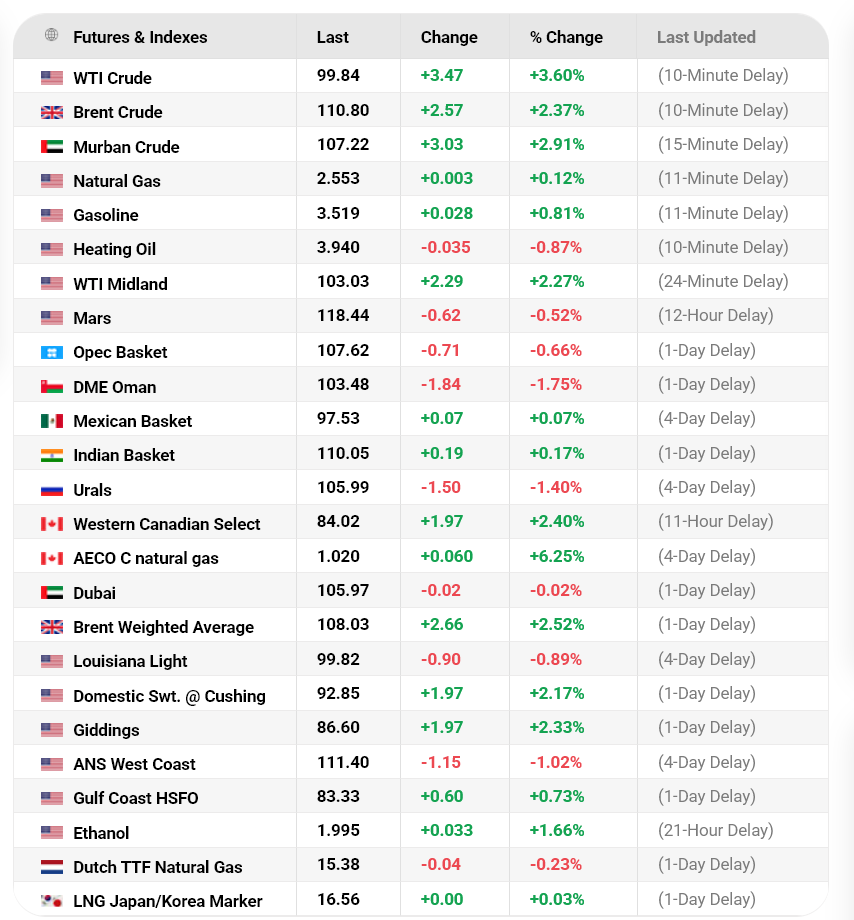 Oil Prices Trade Higher in the Futures Market on April 28. Source: OilPrice.com
“The upside is clear. More freedom and speed in making decisions on production and exports. But there is also a downside — a loss of political weight. Participation in OPEC provided a certain level of influence within the collective market structure. The base case is not a crash, but a rise in uncertainty. And that usually shows up not as smooth price movements, but as sharp swings up and down,” said Iqbal Guliyev, energy analyst and policy expert.
2. OPEC Loses Control Over the Market
The bigger story is the weakening of OPEC discipline. The group works because members accept shared limits. If a major Gulf producer walks away, the cartel’s pricing power declines.
This creates a more competitive oil market. Saudi Arabia may have to decide whether to cut output to defend prices or produce more to protect market share.
Either path creates pressure. Lower prices hurt oil exporters. Higher output can weaken OPEC’s long-term influence.
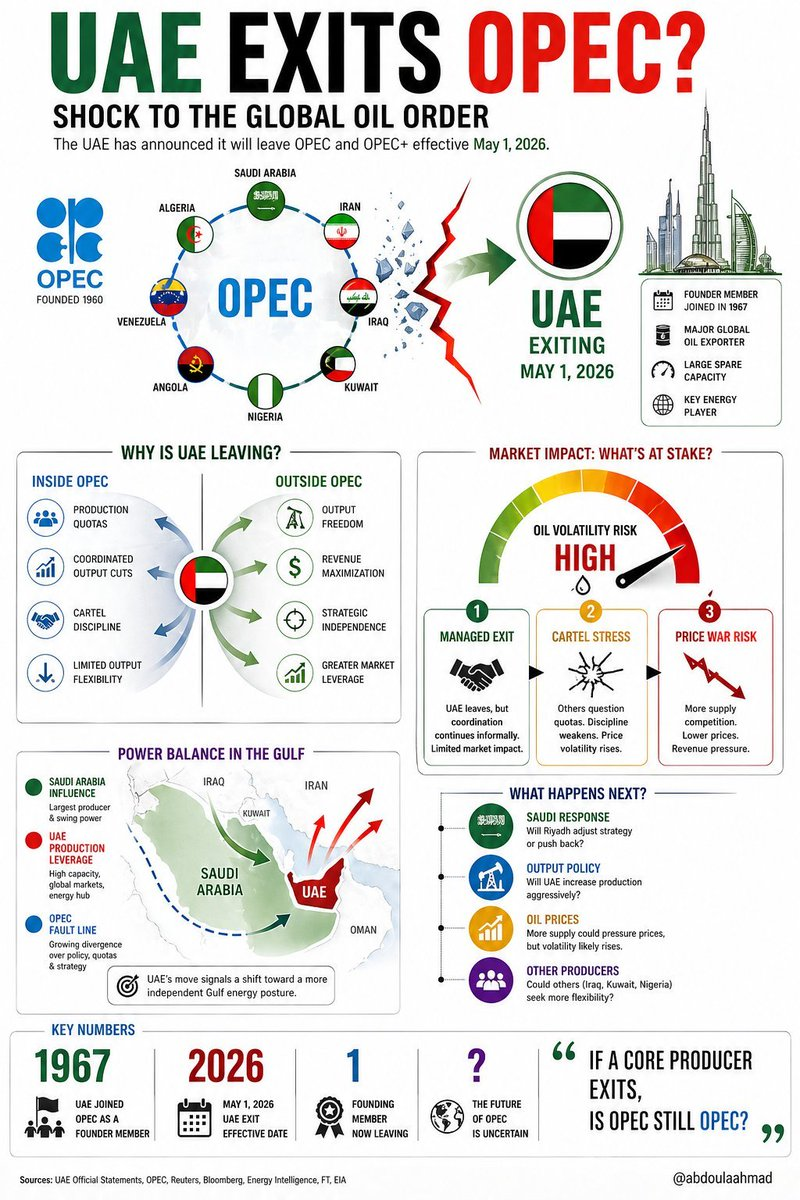 Source: X/Mario Nawfal
3. The US Economy Could Benefit, With One Clear Trade-Off
For the US economy, lower oil prices are usually positive. Cheaper crude can reduce gasoline prices, transport costs, and inflation pressure.
That helps consumers and businesses. It can also give the Federal Reserve more room to cut rates if inflation keeps cooling.
The trade-off is the US energy sector. American shale producers benefit from higher oil prices. If prices fall too much, drilling activity and energy investment may slow.
Still, for the broader US economy, cheaper energy is usually a net positive.
4. Crypto and Risk Assets Could Get Support Later
Crypto markets will not move because of UAE policy alone. The impact runs through inflation and interest rates.
If extra oil supply lowers inflation pressure, markets may price in easier Fed policy. That is usually supportive for Bitcoin, crypto, tech stocks, and other risk assets.
But the short-term effect can be messy. If the move signals deeper Middle East instability, traders may reduce risk first and ask questions later.
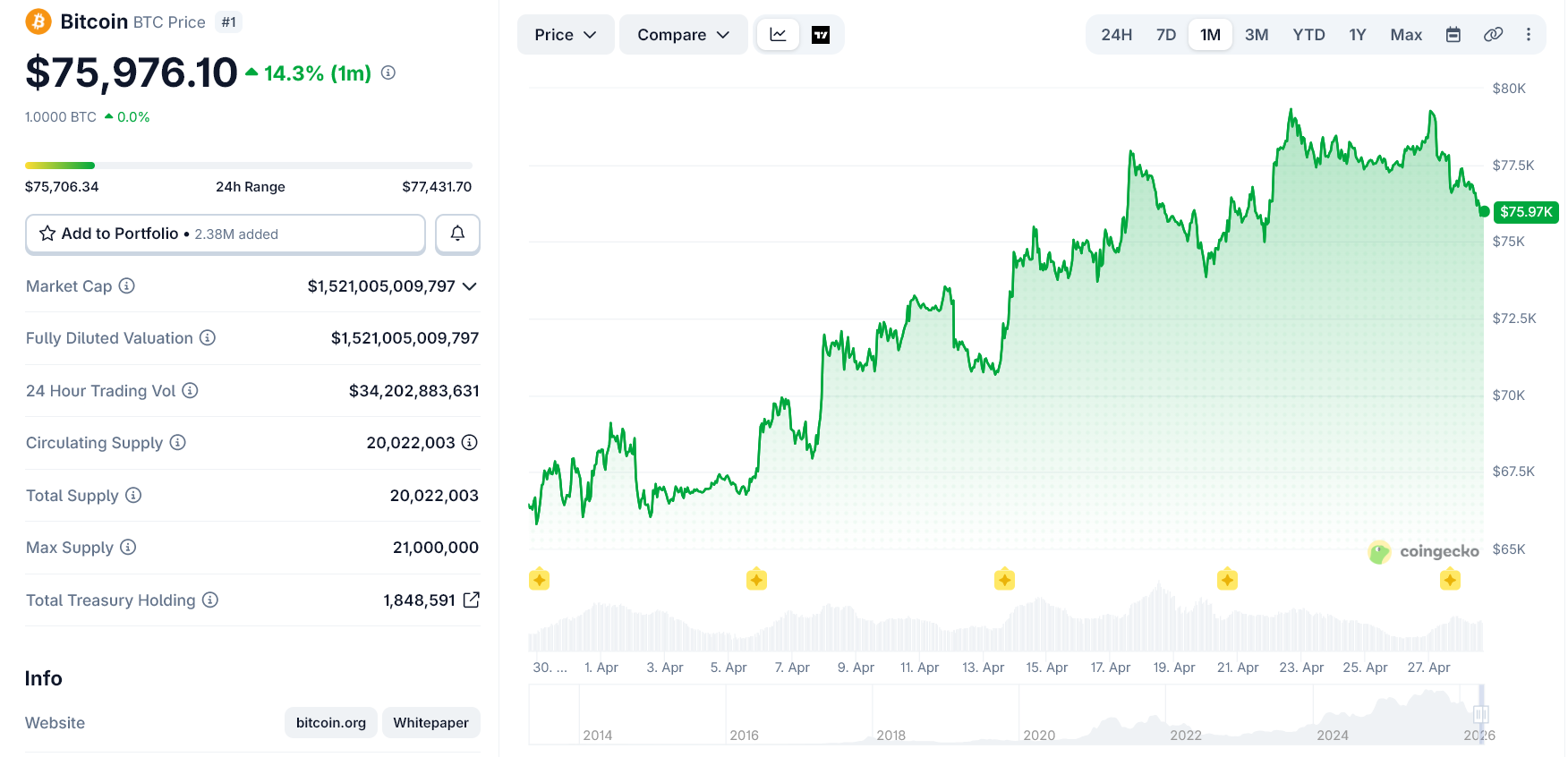 Bitcoin Price Chart Througout April 2026. Source: CoinGecko
5. Middle East Economies Face a New Competitive Phase
The Middle East faces the most direct impact. UAE’s move signals a shift from Gulf coordination toward national strategy.
For the UAE, this could mean higher oil revenue if it sells more barrels while prices remain strong. For oil-dependent neighbors, it creates risk. More competition can pressure prices and reduce fiscal breathing room.
The long-term message is clear. Gulf economies need diversification faster. Oil revenue remains powerful, but it is becoming less predictable.
Recommended Articles


