


3 Stocks to Buy and Hold for 2026 and Beyond
Key Points
AbbVie is a Dividend King, poised for strong growth with Rinvoq and Skyrizi.
Eli Lilly has taken control of the obesity drug market, with major possibilities ahead.
Bristol Myers Squibb looks ready to ride its oncology portfolio to massive investment returns.
- 10 stocks we like better than AbbVie ›
Healthcare is a multi-trillion-dollar industry in the United States alone. With 2024 spending exceeding $5.3 trillion, the sector is nearly one-fifth of the U.S. economy. That alone justifies holding several healthcare stocks in your long-term portfolio, though it can be intimidating given the industry-wide regulatory and political pressures that constantly generate headlines.
It's usually wise to stick to industry leaders with entrenched businesses and a proven record of navigating the industry's various twists and turns.
Where to invest $1,000 right now? Our analyst team just revealed what they believe are the 10 best stocks to buy right now, when you join Stock Advisor. See the stocks »
Here are three excellent healthcare stocks that investors should consider buying for 2026 and beyond.
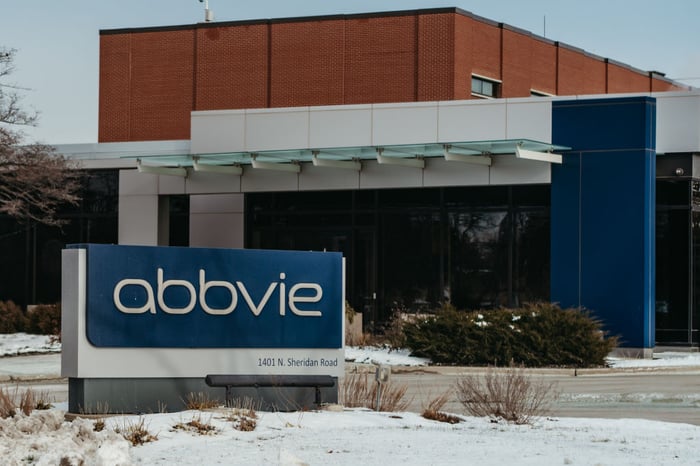
Image source: Getty Images.
1. AbbVie
Pharmaceutical giant AbbVie (NYSE: ABBV) is an industry heavyweight. It boasts a diverse portfolio of treatments for conditions across immunology, neuroscience, oncology, aesthetics, and eye care. AbbVie has evolved and rebuilt its pipeline throughout its decades-long history, a crucial ability for a pharmaceutical company since drug patents eventually expire.
AbbVie offers a solid 3% dividend yield at its current share price. The stock is also a Dividend King, meaning it has increased its dividend for at least 50 consecutive years, another testament to its ability to adapt to change. AbbVie is entering a new growth phase, thanks to blockbuster drugs Rinvoq and Skyrizi. Analysts anticipate that the company will grow earnings by more than 17% annually over the long term.
2. Eli Lilly
Another pharmaceutical leader, Eli Lilly (NYSE: LLY), offers investors a strong foothold in the obesity drug market. Morgan Stanley estimates that the market could reach $144 billion by the end of the decade. Eli Lilly has become the industry leader thanks to tirzepatide, the key drug in Mounjaro and Zepbound, which has taken market share from archrival Novo Nordisk.
On top of that, Eli Lilly has a robust pipeline. It's gearing up for an imminent FDA approval and launch of orforglipron, its first oral GLP-1 agonist. Additionally, experts believe that its next-generation drug, a triple agonist called Retatrutide, could become one of the best sellers in history, given its strong performance in clinical trials to date. Wall Street anticipates nearly 25% annualized earnings growth from Eli Lilly over the long term, making the stock an obvious buy-and-hold candidate.
3. Bristol Myers Squibb
Bristol Myers Squibb (NYSE: BMY) is currently facing patent expirations on several of its top products over the coming years. This includes top sellers Eliquis and Opdivo, which could face generic competition within the next couple of years. However, the company's big momentum in oncology powered a strong fourth-quarter earnings report, and Bristol Myers Squibb has a solid pipeline with a laundry list of upcoming milestones.
If Bristol Myers Squibb can continue to replenish its business with new and growing drugs, the stock could generate impressive total returns from here. Shares already offer a 4% dividend yield and trade at just 10 times forward earnings estimates. Analysts see the company growing earnings by 15% annually over the long term, so there is a ton of upside potential as long as Bristol Myers Squibb can successfully bring its pipeline drugs to market.
Should you buy stock in AbbVie right now?
Before you buy stock in AbbVie, consider this:
The Motley Fool Stock Advisor analyst team just identified what they believe are the 10 best stocks for investors to buy now… and AbbVie wasn’t one of them. The 10 stocks that made the cut could produce monster returns in the coming years.
Consider when Netflix made this list on December 17, 2004... if you invested $1,000 at the time of our recommendation, you’d have $420,595!* Or when Nvidia made this list on April 15, 2005... if you invested $1,000 at the time of our recommendation, you’d have $1,152,356!*
Now, it’s worth noting Stock Advisor’s total average return is 901% — a market-crushing outperformance compared to 194% for the S&P 500. Don't miss the latest top 10 list, available with Stock Advisor, and join an investing community built by individual investors for individual investors.
See the 10 stocks »
*Stock Advisor returns as of February 19, 2026.
Justin Pope has no position in any of the stocks mentioned. The Motley Fool has positions in and recommends AbbVie and Bristol Myers Squibb. The Motley Fool recommends Novo Nordisk. The Motley Fool has a disclosure policy.
Recommended Articles


