


Trump Signals Again. Cuba May Become the Next Focus After Iran.
TradingKey - On March 15, Eastern Time, U.S. President Trump stated that the U.S. may soon reach an agreement with Cuba or take other actions. He said the U.S. is engaging with Cuba, but the current priority remains Iran.
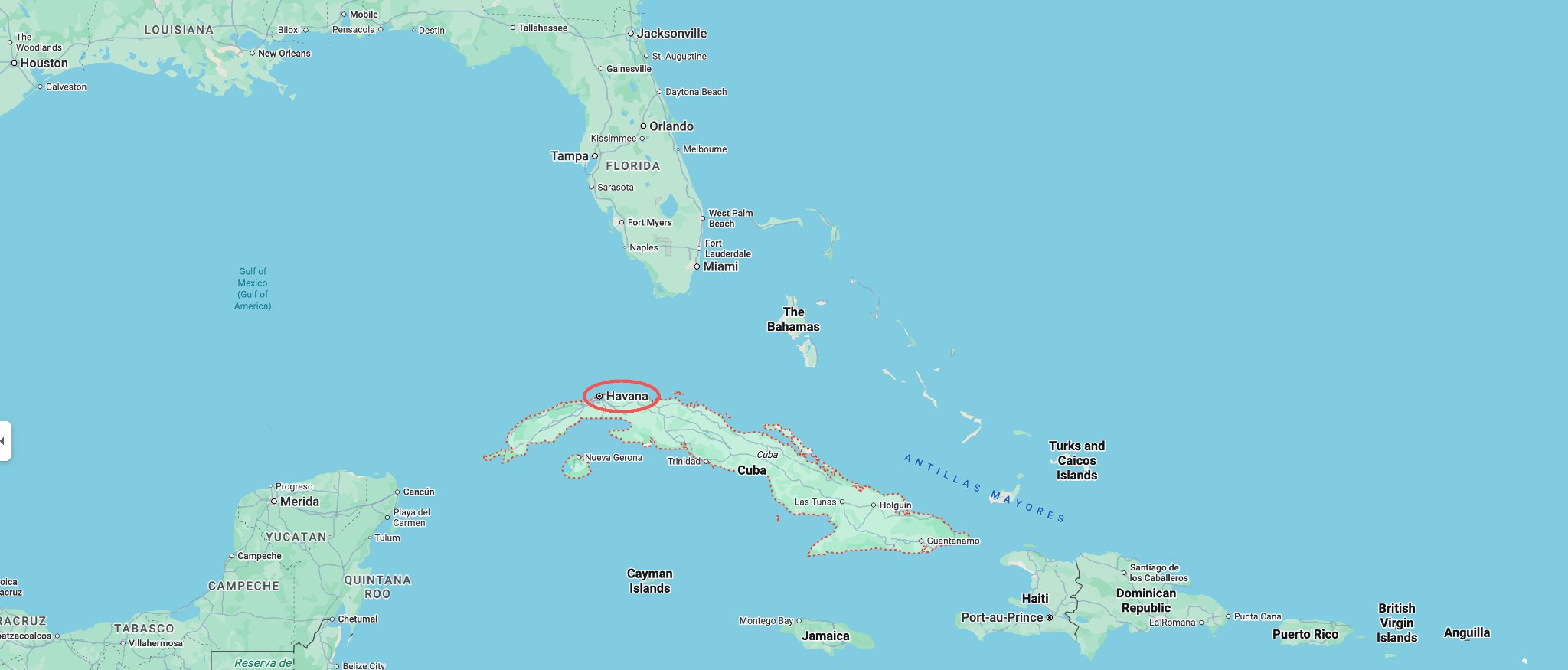
Trump's remarks quickly drew market attention. Due to its unique geographic location, Cuba has long held strategic sensitivity for the U.S. Its capital, Havana, is only about 150 kilometers from the U.S. coastline, and the security landscape of the Caribbean has long been considered an essential component of U.S. homeland security.
The most symbolic historical event was the 1962 Cuban Missile Crisis. At that time, the Soviet Union deployed nuclear missiles in Cuba, and the U.S. responded strongly, bringing the world to the brink of nuclear war. While the crisis was ultimately resolved through diplomatic negotiations, it profoundly influenced the U.S. strategic perception of Cuba.
Since the end of the Cold War, U.S.-Cuba relations have fluctuated repeatedly. Between 2014 and 2016, the administration of former U.S. President Barack Obama pushed for a thaw in relations, restoring diplomatic contact and easing some restrictions, but policy subsequently tightened again, making sanctions and political tensions the norm once more.
There are currently no signs that the U.S. is preparing for military action against Cuba. Many analysts believe that Trump's remarks are more likely a strategic signal than a specific plan of action. However, geopolitical rhetoric itself often influences market expectations. A shift in the global strategic focus could not only affect regional security patterns but also impact the energy, shipping, and commodities markets.
Recommended Articles


