


EUR/USD remains above 1.0350, downside seems possible due to reciprocal tariff threats

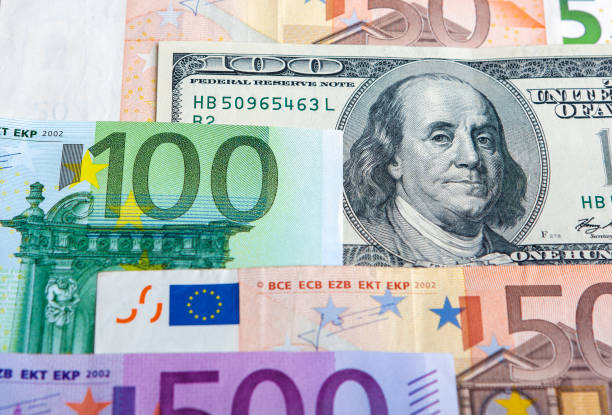
EUR/USD could depreciate as Trump’s administration is advancing a plan for reciprocal tariffs.
The Eurozone faces the risk of reciprocal tariffs since it imposes a 10% duty on US automobile imports.
The US Dollar may appreciate as Fed’s Powell signaled there is no urgency to cut interest rates.
EUR/USD remains steady around 1.0360 during Asian trading hours on Wednesday after gaining in the previous session. The pair could depreciate as US President Donald Trump’s administration is advancing a plan for reciprocal tariffs through executive action, bypassing Congress. The initiative aims to match or exceed tariffs imposed on US exports by other nations and could also address non-tariff barriers such as foreign subsidies, taxes, and regulations. According to the Wall Street Journal, this move could lead to higher US tariffs on goods from Japan, the EU, and China.
The Euro could face potential headwinds as the Eurozone is particularly vulnerable to reciprocal tariffs. Currently, it imposes a 10% tariff on US automobile imports while paying just 2.5% on its exports to the United States (US).
The EUR/USD pair could also face challenges amid a risk-off sentiment triggered by US President Donald Trump’s 25% tariff hike and Federal Reserve (Fed) Chair Jerome Powell’s cautious stance on monetary policy.
In his semi-annual report to Congress, Powell stated that Fed officials are in no rush to cut interest rates, citing a strong job market and solid economic growth. He also noted that Trump’s tariff policies could drive prices higher, complicating the Fed’s ability to lower rates.
Investors are now focused on the release of the US Consumer Price Index (CPI) inflation data later on Wednesday, which could influence expectations for the Fed’s policy stance. Headline CPI inflation is expected to hold steady at 2.9% year-over-year, while core CPI inflation is projected to ease slightly to 3.1% from 3.2%.
Read more
* The content presented above, whether from a third party or not, is considered as general advice only. This article should not be construed as containing investment advice, investment recommendations, an offer of or solicitation for any transactions in financial instruments.


