


Gold Price Forecast: XAU/USD extends upside above $2,850 on trade war tensions, China’s buying
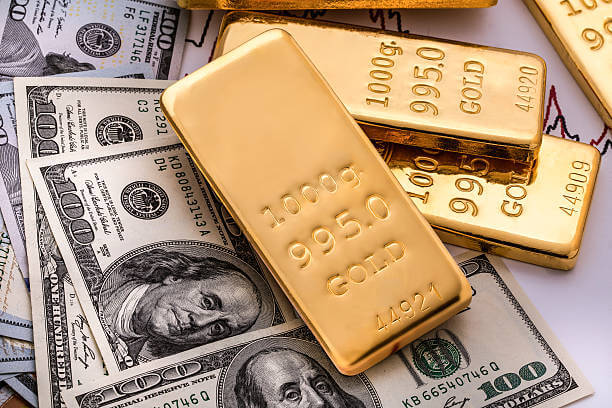
Gold price gains momentum to around $2,865 in Monday’s early Asian session.
Trump will announce reciprocal tariffs on many countries next week.
China’s central bank expanded its gold reserves for a third month in January.
Gold price (XAU/USD) extends the rally to around $2,865 during the early Asian session on Monday. The precious metal edges higher as escalating trade tensions prompt investors to seek refuge in the safe-haven asset.
US President Donald Trump said on Friday that he plans to announce reciprocal tariffs on many countries by Monday or Tuesday, which will take effect almost immediately. This, in turn, provides some support to the yellow metal. Investors will closely monitor the developments surrounding trade war threat. "Central focus of the gold market continues to be the uncertainty in regard to the Trump tariff policies," said David Meger, director of metals trading at High Ridge Futures.
Furthermore, the People’s Bank of China (PBOC) added gold to its reserves in January for a third month, boosting the Gold price as China is the world's largest gold consumer. China’s gold reserves were 73.45 million fine troy ounces at the end of January, up from 73.29 million a month earlier. “The PBOC will likely continue to diversify its reserves in the longer term, given the rising geopolitical uncertainty,” said David Qu, an economist at Bloomberg Economics.
On the other hand, data released by the Labor Department on Friday suggested the labor market remains strong, which might prevent the Federal Reserve (Fed) from cutting its interest rate. The US economy added 143,000 jobs in January, compared with a rise of 170,000 expected by economists. Meanwhile, the Unemployment Rate ticked lower to 4.0% versus 4.1% prior, compared with expectations of 4.1%. Traders are now expecting the US central bank to cut interest rates just one time this year. This might lift the Greenback and weigh on the USD-denominated commodity price.
Read more
* The content presented above, whether from a third party or not, is considered as general advice only. This article should not be construed as containing investment advice, investment recommendations, an offer of or solicitation for any transactions in financial instruments.


