




BHP and Rio built their empires on iron ore — why copper is taking over
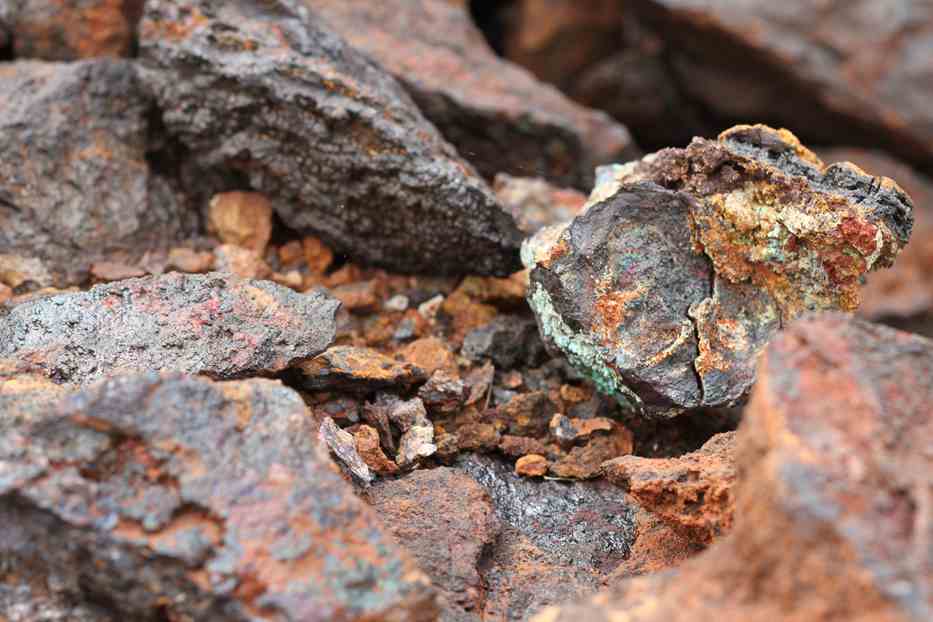
Copper has overtaken iron ore as BHP’s biggest earnings source for the first time, marking a major change in the economics of Australia’s largest miner.
BHP generated US$18.19 billion in underlying copper EBITDA during FY26, compared with US$14.53 billion from iron ore. Copper contributed 54% of group earnings as higher prices and production drove underlying profit up 30% to US$13.2 billion.
Rio Tinto is moving in the same direction. Copper and aluminium produced 56% of its US$6.85 billion in first-half underlying earnings, while copper alone contributed 39%. Copper division EBITDA surged 84% to US$5.7 billion as iron ore EBITDA slipped 1%.
Iron ore remains crucial to both companies, generating billions of dollars in cash and funding new projects. But the growth is increasingly coming from copper. BHP plans to lift copper production by around 40% by FY35, while Rio is ramping up one of the world’s largest copper mines in Mongolia.
The shift gives Australian traders a different way to assess BHP and Rio. Their shares have traditionally followed Chinese steel demand and iron ore prices. Copper, AI data centres, power grids and mine supply are becoming equally important to their earnings outlook.
Copper has already overtaken iron ore at BHP
BHP’s FY26 result confirmed that its portfolio has changed faster than its reputation.
BHP produced close to two million tonnes of copper for the second consecutive year. Average realised copper prices increased 26%, while the division achieved an underlying EBITDA margin of approximately 70%.
Copper also generated US$4.5 billion in by-product revenue from gold, silver and uranium, up 45% from FY25. Those additional products helped reduce the effective cost of production at Escondida and BHP’s South Australian operations.
Contracts for Difference (CFDs) allow eligible traders to take a long or short view on selected mining shares and commodity prices without owning the underlying asset. A long position may suit a view that copper strength will continue to support BHP or Rio, while a short position may suit a view that copper prices or Chinese demand will weaken.
“Trade BHP, Rio Tinto and copper CFDs with Mitrade. Fast AUD funding via PayID. ”
BHP is building three major copper growth centres
BHP’s copper portfolio now stretches across Chile, South Australia and Argentina.
Escondida in Chile remains its most important asset and the world’s largest copper mine. BHP has approved US$500 million in preliminary funding for a new concentrator, with a final investment decision expected in 2027 or 2028.
South Australia provides the second growth centre. The acquisition of OZ Minerals added Carrapateena and Prominent Hill to BHP’s existing Olympic Dam operation, creating a group of mines supported by established processing infrastructure.
BHP wants to lift production from South Australia towards 500,000 tonnes a year during the 2030s and potentially 650,000 tonnes later in the decade. Expansion of the Olympic Dam smelter and refinery would allow the company to process more ore from across the province.
The third opportunity is Vicuña, BHP’s joint venture with Lundin Mining on the Argentina-Chile border. The district includes the Filo del Sol and Josemaria deposits and could become a major new source of copper, gold and silver.
These projects underpin BHP’s plan to increase copper production by approximately 40% by FY35. They also reduce its reliance on buying another large miner at a premium after its unsuccessful approach for Anglo American.
Oyu Tolgoi is transforming Rio Tinto
Rio’s copper shift rests heavily on Oyu Tolgoi, the giant copper and gold operation in Mongolia’s South Gobi region.
Underground production is ramping up after years of construction, cost overruns and disputes with the Mongolian government. First-half output increased 31% from the previous year, helping Rio cut its forecast copper unit costs to US$0.30–US$0.50 per pound.
Oyu Tolgoi is expected to produce around 500,000 tonnes of copper annually between 2028 and 2036. At that rate, it would become the world’s fourth-largest copper mine and account for a substantial share of Rio’s planned production.
The project still carries political and financial risk. Rio recently agreed to reduce management fees and lower the interest rate on loans to Mongolia, which owns 34% of the operation. A separate tax dispute and uncertainty over when Mongolia will begin receiving dividends remain unresolved.
Rio also owns the Kennecott operation in Utah and is pursuing the Resolution project in Arizona. Resolution contains more than 40 billion pounds of copper and could eventually supply up to one-quarter of US demand, although legal challenges and community opposition mean production is unlikely before the mid-2030s.
Rio is targeting annual copper output of approximately one million tonnes by 2030. Achieving that target would further reduce the dominance of Pilbara iron ore within the group.
AI is adding another source of copper demand
Copper’s traditional demand drivers include construction, electrical equipment, transport and consumer goods. Electrification has added electric vehicles, renewable energy and battery storage to that list. AI is now increasing demand for data centres and the power infrastructure required to support them.
Data centres need copper in power cables, transformers, switchgear, cooling systems and connections to electricity grids. The greater demand may come from the grid upgrades needed to deliver enough power to new facilities.
McKinsey estimates that close to US$7 trillion could be invested in data centres by 2030. S&P Global forecasts copper use in data centres and associated infrastructure will increase from around 1.1 million tonnes in 2025 to 2.5 million tonnes by 2040.
The exact figure remains uncertain. Efficiency improvements, alternative materials and changes in data-centre design could reduce copper intensity. Yet demand from AI adds to the much larger requirement created by electricity networks, industrial development and transport.
BHP expects global copper demand to rise from approximately 34 million tonnes a year in 2026 to more than 50 million tonnes by 2050. New supply will need to grow substantially to meet that increase.
New copper supply remains difficult to build
Copper prices have risen above US$14,000 a tonne after gaining around 40% during 2025. Strong demand has combined with disruptions at several major mines and years of limited investment in new production.
Large copper projects can take more than a decade to move from discovery to production. They require substantial capital, water, energy, permits and agreements with governments and local communities.
The difficulties are visible across the existing industry. Chilean state producer Codelco reported an 11% fall in first-half production after operational problems at several mines. A fatal accident disrupted its El Teniente operation, while cash costs increased 7%.
BHP and Rio already control large deposits and established mining districts, giving them an advantage over companies trying to build new operations from scratch. But their projects still face construction, political and cost risks.
High copper prices can also weaken demand, encourage recycling, and make aluminium more competitive in selected applications. The long-term shortage argument does not guarantee that prices will rise continuously.
For BHP and Rio, the challenge is to turn valuable resources into production without overspending at the top of the commodity cycle.
Iron ore still funds the transformation
BHP and Rio are becoming more copper-led, but iron ore remains a major source of cash.
BHP produced a record 265 million tonnes of iron ore in FY26. Rio’s second-quarter global iron ore sales increased 5% to 89 million tonnes, supported by its Pilbara operations.
Both companies continue investing in replacement mines and infrastructure. Rio is also progressing Simandou in Guinea, one of the world’s largest undeveloped deposits of high-grade iron ore.
Simandou will add new supply to a market already exposed to slower Chinese steel demand. China’s property slowdown, efforts to reduce emissions and weaker steel production have placed pressure on the long-term iron ore outlook.
Copper offers stronger structural growth, but iron ore provides the cash needed to fund it. A sharp fall in iron ore prices could restrict capital available for new copper projects, even as the strategic case for those projects strengthens.
The result is a more balanced earnings model. BHP and Rio remain exposed to China through iron ore, while copper connects them more directly to electricity demand, AI investment and the global race to expand critical-mineral supply.
What could move BHP, Rio and copper next?
Several catalysts will determine whether copper continues increasing its influence over the two miners:
Copper prices: Holding above US$14,000 a tonne would support margins and cash flow, while a sharp correction could reduce the earnings contribution quickly.
Chinese demand: China remains the world’s largest copper and iron ore consumer, making construction, manufacturing and stimulus data important for both commodities.
AI infrastructure spending: Further data-centre and power-grid commitments would strengthen copper’s newer source of demand.
Escondida investment: Progress towards BHP’s new concentrator will shape expectations for production later in the decade.
Oyu Tolgoi output: Rio needs the underground ramp-up to remain on schedule and avoid another increase in costs.
South Australian expansion: Approval of additional processing capacity would support BHP’s plan to lift regional copper production.
Mine disruptions: Accidents, strikes and lower ore grades can tighten supply quickly in a market with limited spare capacity.
Iron ore prices: Strong iron ore cash flow gives both miners more flexibility to fund copper growth and shareholder returns.
Copper has already become BHP’s largest earnings source and is producing a rapidly growing share of Rio’s profit. The next test is whether production can expand quickly enough to make that change permanent.
Trade mining shares and copper volatility with Mitrade
BHP and Rio can react to changes in copper, iron ore, Chinese demand and company-specific project updates.
Mitrade gives eligible Australian traders access to selected mining-share and commodity CFDs, allowing them to take a view on BHP, Rio Tinto or copper without owning the underlying shares or physical metal.
Mitrade includes:
Long and short positions on selected share and commodity CFDs.
Stop-loss and take-profit orders to define exit levels.
Pending orders around important support, resistance, or breakout prices.
Real-time charts and mobile access.
AUD account funding, with margin and profit or loss displayed in Australian dollars.
A free $50,000 demo account for practice.
ASIC regulation under Australian Financial Services Licence 398528.
A long share CFD position may suit a view that stronger copper earnings will support BHP or Rio. A short position may suit a view that falling commodity prices, weaker Chinese demand or project delays will pressure the shares.
Traders can also take a direct view on copper. That can separate the commodity outlook from company risks such as cost overruns, production disruptions and capital-allocation decisions.
* CFDs are complex instruments and carry a high risk of losing money rapidly due to leverage. Traders should understand how CFDs work and consider whether they can afford the risk of losing money.
Start trading copper and mining shares in three simple steps
1. Why is AI increasing copper demand?
AI data centres require copper for power cables, transformers, cooling equipment and connections to electricity grids. Expansion of the power network needed to supply new data centres may create even greater demand.
2. Are BHP and Rio abandoning iron ore?
No. Iron ore remains a major source of production, earnings and cash flow for both companies. The change is that copper is delivering more earnings growth and attracting a larger share of future investment.
3. Can traders take a view if copper or mining shares fall?
Eligible traders can use CFDs to take short positions on selected commodities or mining shares. Losses occur if the market rises instead, and leverage can magnify both gains and losses.
Disclaimer: The content presented above, whether from a third party or not, is considered as general advice only. CFD trading involves significant risk of loss. Past performance does not guarantee future results. This article serves informational purposes only and does not constitute financial advice. Consider your risk tolerance before trading.


