




WTI Futures (USOIL-F) Is down 2.22% on Jul 31: What You Need to Watch
WTI Futures (USOIL-F) is down 2.22% at Jul 31 00:10(ET), now at $82.03, with a 7-day down of 9.28%.
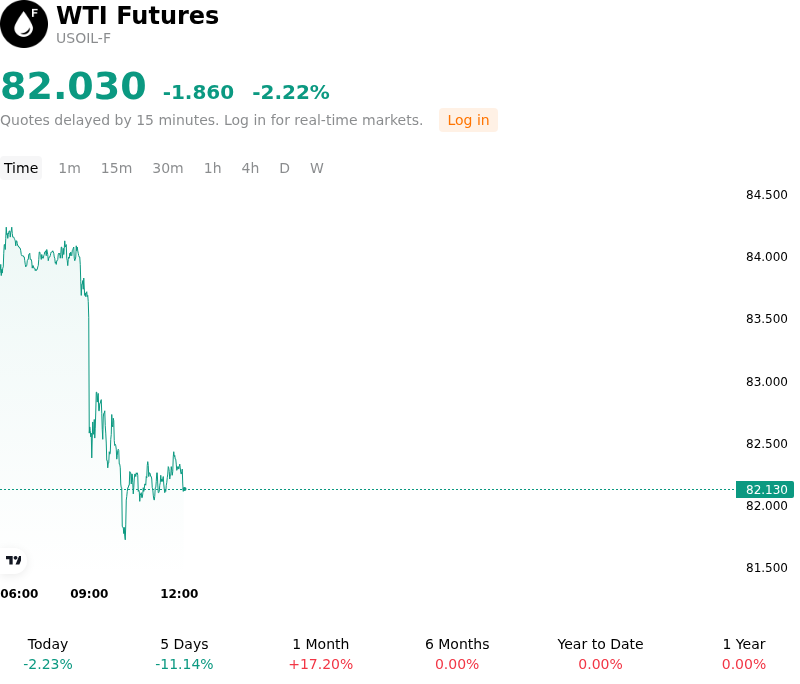
What is driving WTI Futures (USOIL-F)’s stock price down today?
The downward pressure on WTI crude futures today is primarily driven by a convergence of softening demand signals from China and growing supply-side transparency from the OPEC+ alliance. The release of official manufacturing PMI data from Beijing earlier in the session indicated a surprise contraction in industrial activity, reigniting concerns regarding the pace of energy consumption in the world’s largest oil importer. This demand-side fragility is compounding existing market anxiety over the longevity of the global manufacturing recovery, particularly as high interest rates continue to weigh on industrial output across the Eurozone and North America.
On the supply front, institutional investors are reacting to reports suggesting that key OPEC+ members are preparing to gradually restore production volumes as early as the upcoming quarter. While the alliance has previously emphasized that these increases remain data-dependent, the market is increasingly pricing in a potential surplus for the end of the year, especially as non-OPEC production from the United States and Guyana remains at record levels. The shift in sentiment suggests that the supply deficit observed during the peak summer driving season may be narrower than previously forecasted, prompting a liquidation of long positions by trend-following funds.
Furthermore, the strength of the US dollar has exerted a significant headwind on dollar-denominated commodities. Recent hawkish commentary from Federal Reserve officials, combined with resilient labor market data, has led participants to recalibrate the timing of expected rate cuts. A sustained higher-for-longer interest rate environment not only strengthens the greenback, making crude more expensive for international buyers, but also raises the risk of a broader economic slowdown that would further erode global fuel demand.
Finally, the absence of fresh geopolitical escalations in key producing regions has allowed the geopolitical risk premium to continue its steady erosion. With maritime logistics showing signs of stabilization and diplomatic efforts persisting in the Middle East, the fear of immediate supply disruptions has faded. Consequently, market participants are shifting their focus back to fundamental balances, where the combination of rising inventories in key trading hubs and tepid refinery margins suggests a loosening physical market.
Technical Analysis of WTI Futures (USOIL-F)
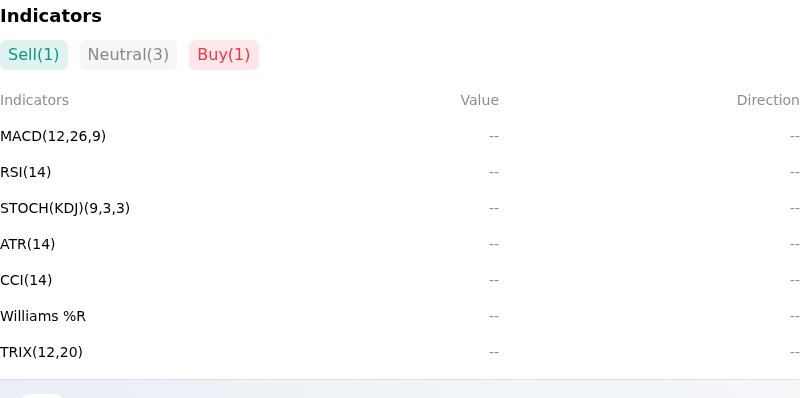
Technically, WTI Futures (USOIL-F) shows a MACD (12,26,9) value of 2.138, indicating a buy signal. The RSI at 50.446 suggests neutral condition and the Williams %R at 71.165 suggests sell condition. Please monitor closely.
More details about WTI Futures (USOIL-F)
Recent Events and Risks:
- Macroeconomic Demand Constraints: Recent hawkish commentary from Federal Reserve officials suggests interest rates may remain elevated for longer than anticipated, strengthening the US Dollar and increasing the cost of financing for industrial consumers, which historically suppresses global crude demand.
- Inventory Accumulation Signals: Latest industry reports indicate an unexpected build in US commercial crude and gasoline inventories, countering seasonal expectations of a drawdown and raising concerns regarding sluggish domestic fuel consumption despite the approaching peak summer driving season.
- Chinese Industrial Softness: Disappointing industrial output data and lower-than-projected refinery throughput in China have renewed fears of structural demand deterioration in the world’s largest oil importer, putting immediate downward pressure on WTI benchmarks.
- Technical Liquidation Pressure: The failure of WTI to sustain levels above key psychological support zones has triggered systematic sell-offs and the unwinding of net-long positions by money managers, leading to increased intraday volatility and potential downward momentum toward significant technical floors.
Recommended Articles


