


Kevin Warsh Is Shifting the Future of the Fed in 1 Major Way -- and It Might Rattle Wall Street
Key Points
Kevin Warsh declined to give guidance for interest rates in the Fed's meeting last week.
Wall Street expects guidance, and the market often moves based on it.
- 10 stocks we like better than S&P 500 Index ›
Kevin Warsh made his first entrance as Federal Reserve chair last week, and he's already changing things up. It has been the historical practice for the Fed chair to provide an outlook for the rest of the year so Wall Street and armchair analysts can try to anticipate how things will play out, but Warsh stepped back from that practice.
"I think financial markets perform best when they react to incoming data," he said. "I think the financial markets work less efficiently when they ask a question, 'How will the Federal Reserve react to that incoming information?'"
Where to invest $1,000 right now? Our analyst team just revealed what they believe are the 10 best stocks to buy right now, when you join Stock Advisor. See the stocks »
As a result, he refrained from offering guidance about future moves and did not participate in the Federal Open Market Committee's (FOMC) "dot plot," which charts the committee's thoughts about the future.
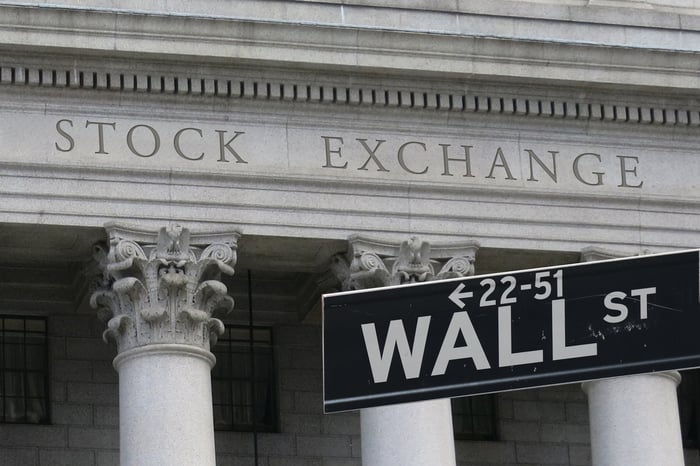
Image source: Getty Images.
Wall Street loves guidance, and many stocks rise and fall based on it. But as Warsh notes, moving the stock market based on an unknowable outcome that's often wrong isn't very logical.
The market, however, is forward-looking. Investors aren't making decisions based on what happened, but rather on what they think might happen. Without the Fed's guidance, Wall Street is lacking one of its favorite talking points.
It's likely to create substitutes instead. The dot plot still exists, just without the major signatory. There are also all sorts of retail reports and forecasts that can be used, though the outcome is going to look different. It's also possible that the market does begin to work more efficiently if it's forced to work within a framework of what's known instead of what's guessed. The S&P 500 (SNPINDEX: ^GSPC) fell after the meeting, but it's already moving back up.
Should you buy stock in S&P 500 Index right now?
Before you buy stock in S&P 500 Index, consider this:
The Motley Fool Stock Advisor analyst team just identified what they believe are the 10 best stocks for investors to buy now… and S&P 500 Index wasn’t one of them. The 10 stocks that made the cut could produce monster returns in the coming years.
Consider when Netflix made this list on December 17, 2004... if you invested $1,000 at the time of our recommendation, you’d have $417,305!* Or when Nvidia made this list on April 15, 2005... if you invested $1,000 at the time of our recommendation, you’d have $1,293,148!*
Now, it’s worth noting Stock Advisor’s total average return is 936% — a market-crushing outperformance compared to 209% for the S&P 500. Don't miss the latest top 10 list, available with Stock Advisor, and join an investing community built by individual investors for individual investors.
See the 10 stocks »
*Stock Advisor returns as of June 23, 2026.
Jennifer Saibil has no position in any of the stocks mentioned. The Motley Fool has no position in any of the stocks mentioned. The Motley Fool has a disclosure policy.
Recommended Articles


